
Learn how to do pike push-ups with perfect form, avoid common mistakes, and discover the best variations to build shoulder strength and overhead pressing power.
Pike push-ups are one of the most effective bodyweight exercises for developing strong shoulders, triceps, and upper-body pressing strength. Whether you are training for calisthenics, military fitness tests, or handstand push-up progressions, mastering pike push-ups is essential.
What Are Pike Push-Ups?
A pike push-up is a bodyweight exercise in which you perform a push-up with your hips elevated, shifting more of the workload onto your shoulders.
The movement mimics the overhead pressing pattern used in handstand push-ups, making it one of the best exercises for building vertical pushing strength.
Pike push-ups are commonly used in:
- Calisthenics training
- Handstand push-up progressions
- Bodyweight strength programs
- Athletic conditioning routines
Unlike standard push-ups, pike push-ups place greater emphasis on the shoulders and upper chest.
Benefits of Pike Push-Ups
Pike push-ups are one of the best exercises for developing upper-body pressing strength.
Benefits include:
- Builds strong shoulders and triceps
- Develops overhead pressing strength
- Improves shoulder stability
- Strengthens the upper chest
- Enhances body control and coordination
- Prepares you for handstand push-ups
Few bodyweight exercises build shoulder strength as effectively as pike push-ups.
Muscles Worked in Pike Push-Ups
Pike push-ups activate multiple upper-body muscles simultaneously.
Primary Muscles
- Shoulders (Anterior Deltoids)
- Triceps
Secondary Muscles
- Upper Chest (Clavicular Pectorals)
- Core Muscles
- Serratus Anterior
- Upper Trapezius
Because of this muscle activation, pike push-ups are one of the best bodyweight alternatives to overhead presses.
How to Do Pike Push-Ups (Step-by-Step)
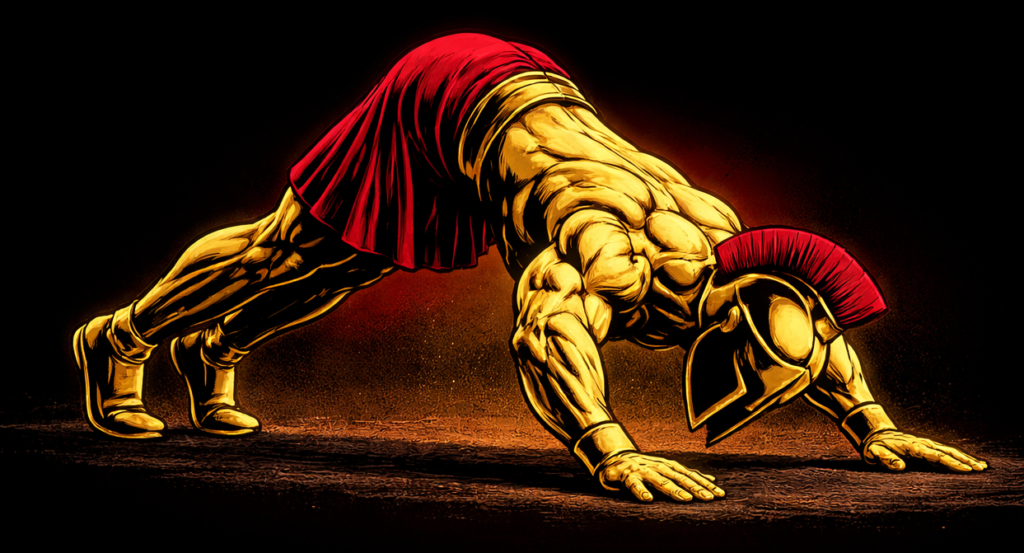
Step 1: Get Into the Pike Position
Start in a push-up position and raise your hips toward the ceiling.
- Hands shoulder-width apart
- Arms straight
- Legs straight if flexibility allows
Your body should form an inverted “V” shape.
Tip: The higher your hips, the more emphasis you place on your shoulders.
Step 2: Engage Your Core
Before lowering:
- Tighten your abs
- Squeeze your glutes
- Keep your spine neutral
This helps maintain stability throughout the movement.
Step 3: Lower Your Head Toward the Ground
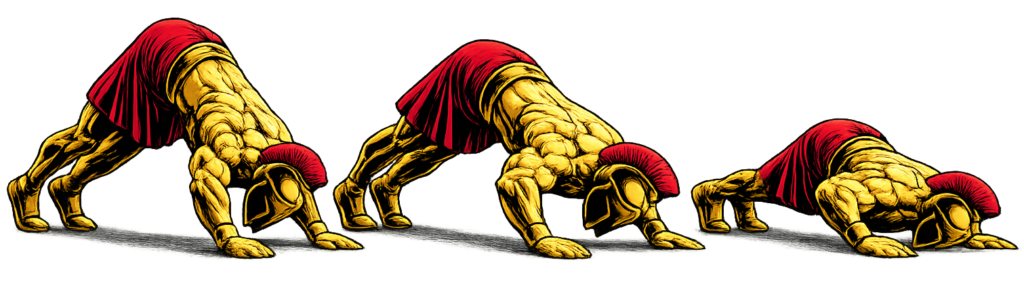
Bend your elbows and slowly lower yourself.
Focus on bringing the top of your head toward the floor between your hands.
Avoid lowering your chest like a standard push-up.
Step 4: Reach the Bottom Position
At the bottom:
- Head is close to the ground
- Elbows remain controlled
- Core stays tight
Pause briefly while maintaining tension.
Step 5: Press Back Up
Push through your palms and extend your elbows until you return to the starting position.
Keep the movement smooth and controlled.
Pike Push-Up Form Checklist
Use this quick checklist to ensure perfect form.
- Keep hips elevated throughout the movement
- Lower your head between your hands
- Maintain a tight core
- Control the lowering phase
- Lock out fully at the top
Perfect form builds strength faster and reduces the risk of injury.
Common Pike Push-Up Mistakes
Dropping the Hips
Problem: Turns the movement into a regular push-up.
Fix: Keep your hips elevated throughout the exercise.
Flaring the Elbows Excessively
Problem: Places unnecessary stress on the shoulders.
Fix: Keep elbows at a controlled angle during each rep.
Looking Forward
Problem: Creates neck strain and poor alignment.
Fix: Keep your head neutral and focus on the floor.
Partial Range of Motion
Problem: Limits strength development.
Fix: Lower until your head nearly touches the ground.
Rushing the Movement
Problem: Reduces muscle activation.
Fix: Use a controlled tempo:
- 1–2 seconds down
- Brief pause
- Explode upward
Quality repetitions always beat sloppy reps.
Pike Push-Up Variations
Once you master the basic pike push-up, these variations can help build more strength and progress toward advanced skills.
Incline Pike Push-Ups
A beginner-friendly variation that reduces difficulty.
How to Do Incline Pike Push-Ups
- Place your hands on an elevated surface
- Raise your hips into a pike position
- Perform the movement with control
This variation is ideal for beginners.
Elevated Feet Pike Push-Ups
Increases shoulder loading significantly.
How to Do Elevated Feet Pike Push-Ups
- Place your feet on a box or bench
- Raise hips high
- Lower your head toward the floor
This variation closely resembles a handstand push-up.
Deficit Pike Push-Ups
Improves range of motion and strength.
How to Do Deficit Pike Push-Ups
- Place hands on parallettes or blocks
- Lower deeper than normal
- Press back up under control
This variation builds strength through a greater range of motion.
Wall-Assisted Handstand Push-Ups
The next progression after mastering pike push-ups.
How to Do Wall-Assisted Handstand Push-Ups
- Kick into a wall-supported handstand
- Lower your head toward the ground
- Press back upward
This progression develops true vertical pressing strength.
Final Thoughts
The pike push-up is one of the most effective bodyweight shoulder exercises you can master.
It builds:
- Shoulder strength
- Triceps strength
- Upper chest development
- Core stability
- Handstand push-up readiness
Progress may feel challenging at first, especially if shoulder strength is limited. However, with consistent training and proper form, your pressing power will steadily improve. Learn more about Push Workouts here.
Focus on quality repetitions, controlled movement, and full range of motion.
A warrior presses upward with strength — never with shortcuts.
Essential Gear for Pike Push-Ups
The right equipment can improve your pressing performance, support proper technique, and help you progress safely as your shoulder strength increases. Here are the essentials every warrior should consider.
- Push-Up Handles: Increase your range of motion, keep your wrists in a more neutral position, and make pike push-ups and deficit pike push-ups more comfortable and effective.
- Wrist Wraps: Provide extra wrist support and stability during pike push-ups, helping reduce discomfort while maintaining proper pressing alignment.
- Resistance Bands: Ideal for shoulder warm-ups, mobility work, and assisted handstand push-up progressions as you advance beyond pike push-ups.
- Exercise Mat: Creates a stable, non-slip training surface that improves comfort for your hands and provides cushioning during floor-based shoulder training.
- Weighted Vest: An excellent way to progressively increase resistance once standard pike push-ups become easy, helping build greater overhead pressing strength before advancing to handstand push-ups.
These simple training tools can make your pike push-up workouts safer, more comfortable, and more effective while helping you develop the shoulder strength needed for advanced vertical pushing exercises.
Pike Push-Up FAQ
Q1: Are pike push-ups better than regular push-ups for shoulders?
Yes. Pike push-ups place significantly more emphasis on the shoulders, making them one of the best bodyweight shoulder exercises.
Q2: How many pike push-ups should a beginner do?
Most beginners can start with 5–10 controlled repetitions per set and gradually increase volume over time.
Q3: Do pike push-ups help with handstand push-ups?
Absolutely. Pike push-ups are one of the best progressions for developing the strength and movement pattern needed for handstand push-ups.
Comments are closed.