
Learn how to do hip circles with perfect form, avoid common mistakes, and discover the best hip circle variations to improve mobility and lower-body function.
Hip circles are one of the most effective dynamic mobility exercises for increasing blood flow, improving hip flexibility, and preparing the lower body for training. Whether you are warming up for strength training, running, or athletic performance, mastering hip circles is essential.
What Are Hip Circles?
A hip circle is a dynamic mobility exercise where you rotate your hips in a circular motion while maintaining an upright posture.
Hip circles are considered one of the best warm-up exercises because they improve hip mobility and activate the muscles surrounding the hip joint.
Hip circles are commonly used in:
- Dynamic warm-up routines
- Athletic performance training
- Strength and conditioning programs
- Mobility and rehabilitation sessions
Unlike static stretches, hip circles actively prepare the body for movement while increasing joint lubrication and range of motion.
Benefits of Hip Circles
Hip circles are one of the most effective exercises for improving lower-body mobility.
Benefits include:
- Improves hip mobility
- Increases blood flow to the lower body
- Enhances range of motion
- Activates the glutes and hip muscles
- Helps reduce injury risk during training
- Requires no equipment
Few mobility exercises prepare the hips as effectively as hip circles.
Muscles Worked in Hip Circles
Hip circles activate several muscles around the hip and core simultaneously.
Primary Muscles
- Gluteus Medius
- Gluteus Maximus
- Hip Flexors
Secondary Muscles
- Adductors
- Abductors
- Obliques
- Lower Back Stabilizers
- Core Muscles
Because of this muscle activation, hip circles are one of the best exercises for improving movement quality and hip health.
How to Do Hip Circles (Step-by-Step)
Step 1: Stand Tall
Begin with:
- Feet shoulder-width apart
- Chest up
- Core engaged
- Hands placed on your hips
Tip: Keep your knees slightly bent throughout the exercise.
Step 2: Shift Your Hips Forward
Start by pushing your hips slightly forward.
Focus on:
- Maintaining good posture
- Keeping your movements smooth
- Staying relaxed
This initiates the circular motion.
Step 3: Rotate Your Hips Around
Move your hips in a large circular motion.
Focus on:
- Creating a smooth circle
- Moving through a comfortable range of motion
- Keeping your upper body stable
Avoid rushing the movement.
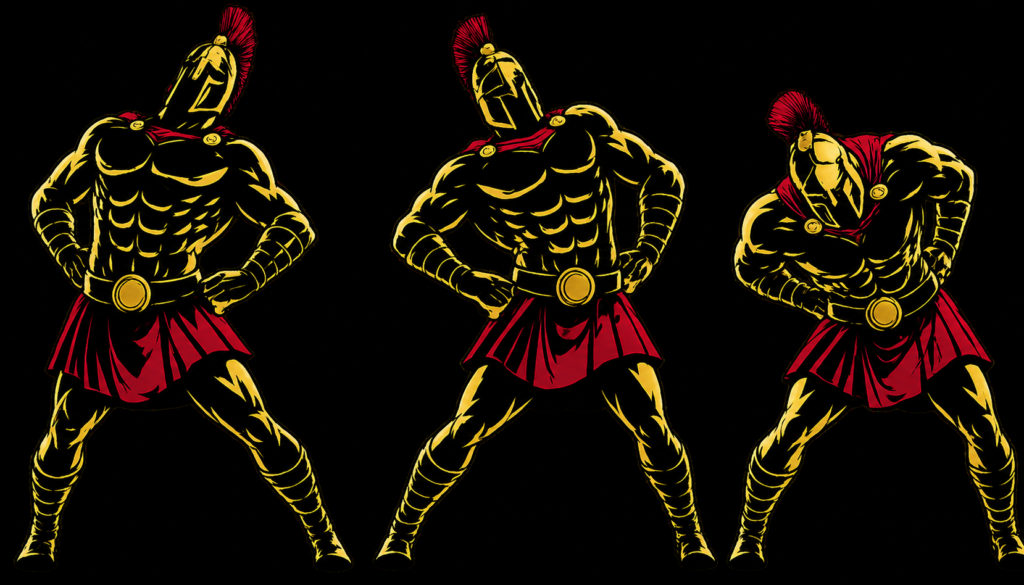
Step 4: Complete the Circle
Continue rotating until you return to the starting position.
At this stage:
- Maintain control
- Keep your core engaged
- Avoid excessive leaning
Pause briefly if necessary.
Step 5: Reverse Directions
After several repetitions, switch directions.
Perform equal repetitions on both sides to improve balanced mobility.
Hip Circle Form Checklist
Use this quick checklist to ensure perfect hip circle form.
- Maintain good posture
- Keep your core engaged
- Use slow, controlled movements
- Move through a comfortable range of motion
- Perform circles in both directions
Perfect form improves mobility and reduces the risk of injury.
Common Hip Circle Mistakes
Moving Too Quickly
Problem: Reduces control and mobility benefits.
Fix: Perform each repetition slowly and deliberately.
Leaning Excessively
Problem: Places unnecessary stress on the lower back.
Fix: Keep your torso upright and your core engaged.
Using Small Movements
Problem: Limits range of motion.
Fix: Gradually increase the size of the circles while staying comfortable.
Holding Your Breath
Problem: Creates unnecessary tension.
Fix: Breathe normally throughout the exercise.
Forcing the Range of Motion
Problem: May cause discomfort or strain.
Fix: Move only within a pain-free range.
Controlled movement always beats forced movement.
Hip Circle Variations
Once you master the basic hip circle, different variations can help improve mobility and activate additional muscles.
Seated Hip Circles
A beginner-friendly variation.
How to Do Seated Hip Circles
- Sit upright on a chair
- Place your hands on your hips
- Rotate your hips in controlled circles
This variation reduces balance requirements.
Single-Leg Hip Circles
Improves balance and coordination.
How to Do Single-Leg Hip Circles
- Stand on one leg
- Raise the opposite knee
- Perform circular movements with the lifted leg
This variation enhances hip stability.
Standing Knee Circles
Emphasizes hip joint mobility.
How to Do Standing Knee Circles
- Lift one knee toward your chest
- Move it in a circular pattern
- Alternate sides
This variation increases mobility and coordination.
Resistance Band Hip Circles
An advanced variation.
How to Do Resistance Band Hip Circles
- Place a resistance band around your thighs
- Perform controlled hip circles
- Maintain constant tension
This variation improves glute activation and hip stability.
Final Thoughts
Hip circles are one of the most effective mobility exercises you can master.
They build:
- Hip mobility
- Joint health
- Lower-body coordination
- Core stability
- Functional movement quality
Progress may feel subtle because hip circles are primarily a mobility exercise. However, with consistent practice and proper form, your movement quality and flexibility will steadily improve. Learn more about StretchingHere.
Quality movement is always better than rushed movement.
Focus on control, posture, and smooth circles.
A warrior prepares his foundation before unleashing his strength.
Hip Circle FAQ
Q1: Are hip circles good before workouts?
Yes. Hip circles are an excellent dynamic warm-up exercise because they increase blood flow and prepare the hips for movement.
Q2: How many hip circles should I do?
Most people can perform 10-20 repetitions in each direction or 20-60 seconds per side as part of a warm-up routine.
Q3: Can hip circles improve hip mobility?
Yes. When performed consistently, hip circles can help improve hip flexibility, joint health, and overall movement quality.
Comments are closed.