Learn how to do hangs with perfect form, avoid common mistakes, and discover the best variations to build grip strength and upper-body endurance.
Hangs (also known as holds) are one of the most effective bodyweight exercises for developing grip strength, improving shoulder stability, and building pulling endurance. Whether you are training for military fitness tests, calisthenics, or athletic performance, mastering hangs is essential.
What Are Hangs (Holds)?
Hangs are a bodyweight exercise where you suspend your body from a bar and hold the position for time.
Depending on the variation, hangs can target grip strength, shoulder stability, or pulling endurance.
Hangs are commonly used in:
- Military fitness training
- Calisthenics workouts
- Grip strength training
- Rehabilitation and mobility programs
Unlike dynamic exercises, hangs develop isometric strength and endurance.
Benefits of Hangs
Hangs are one of the best exercises for building grip and upper-body endurance.
Benefits include:
- Builds powerful grip strength
- Improves shoulder stability and health
- Enhances pulling endurance
- Strengthens forearms and hands
- Decompresses the spine
- Essential for military and tactical fitness
Few exercises develop grip strength as effectively as hangs.
Muscles Worked in Hangs
Hangs activate multiple upper-body muscles.
Primary Muscles
- Forearms and Grip Muscles
Secondary Muscles
- Latissimus Dorsi (Lats)
- Shoulders (Deltoids)
- Trapezius
- Core Muscles
This makes hang training highly effective for developing functional upper-body strength.
How to Do Hangs (Step-by-Step)
Step 1: Grip the Bar
Grab a pull-up bar with your hands shoulder-width apart.
- Use an overhand grip
- Squeeze the bar tightly
Tip: A strong grip activates your forearms and improves endurance.
Step 2: Lift Into a Hanging Position
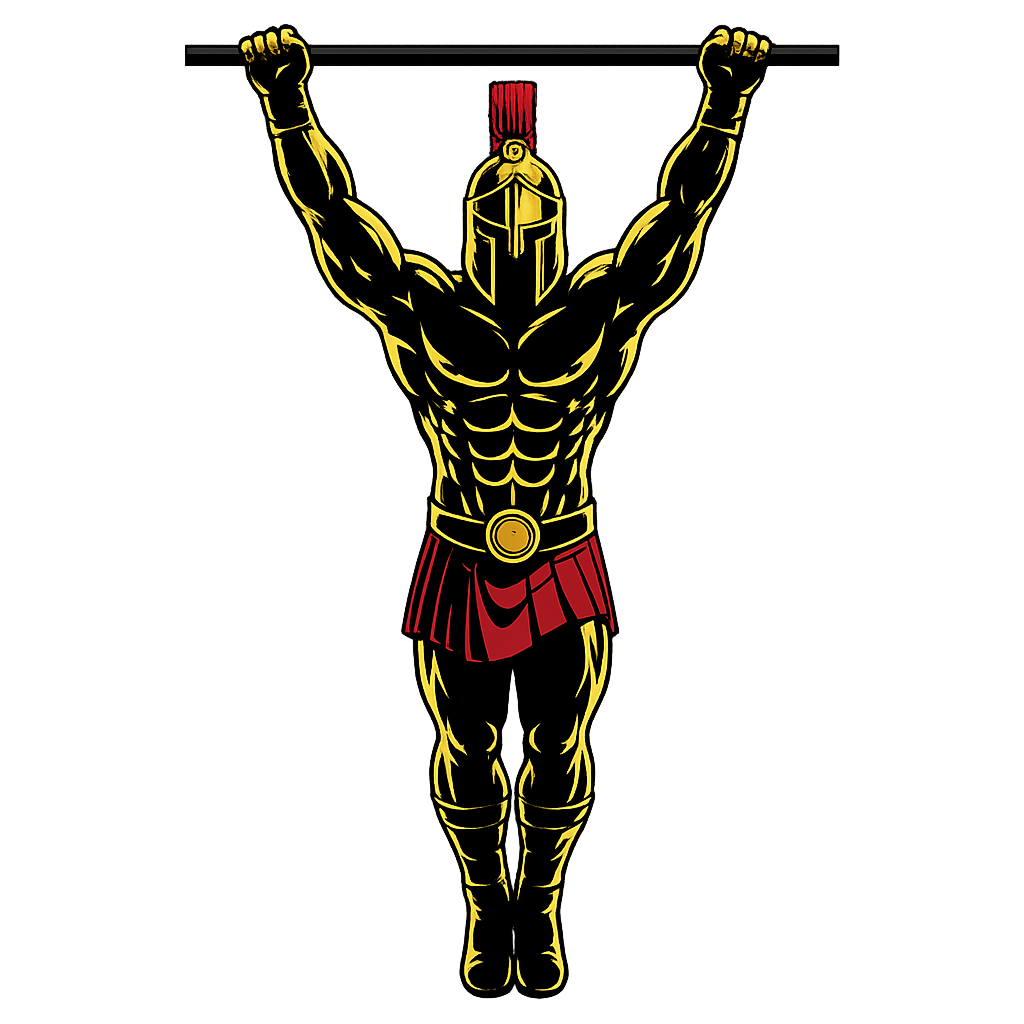
Lift your feet off the ground and hang freely.
- Arms fully extended
- Body relaxed but controlled
Step 3: Engage Your Shoulders
Slightly pull your shoulders down and away from your ears.
- Avoid completely passive hanging
- Keep shoulders stable
Step 4: Hold the Position
Maintain the hang:
- Keep your grip tight
- Engage your core
- Stay controlled
Step 5: Dismount Safely
When finished:
- Lower yourself carefully
- Avoid dropping suddenly
Hangs Form Checklist
Use this checklist to ensure perfect form:
- Grip the bar firmly
- Keep shoulders slightly engaged
- Avoid excessive swinging
- Maintain control throughout
- Keep your body stable
Perfect form builds strength and prevents injury.
Common Hangs Mistakes
Passive Hanging Only
Problem: Reduces muscle activation.
Fix: Slightly engage your shoulders.
Weak Grip
Problem: Limits performance.
Fix: Squeeze the bar tightly.
Excessive Swinging
Problem: Reduces effectiveness.
Fix: Keep your body still.
Shrugging Shoulders
Problem: Can cause discomfort.
Fix: Keep shoulders down and stable.
Dropping Off the Bar
Problem: Risk of injury.
Fix: Always dismount with control.
Hangs Variations
Once you master basic hangs, these variations can further build strength and endurance.
Dead Hangs
The most basic and essential variation.
How to Do Dead Hangs
- Hang with arms fully extended
- Keep body relaxed
- Focus on grip endurance
Active Hangs
Engages shoulders and upper back.
How to Do Active Hangs
- Slightly pull shoulders down
- Engage lats and core
- Hold the position
Chin-Up Top Hold
Builds pulling strength and endurance.
How to Do Chin-Up Top Hold
- Pull yourself to the top position
- Chin above the bar
- Hold as long as possible
One-Arm Assisted Hang
Increases difficulty progressively.
How to Do One-Arm Assisted Hang
- Hang with one hand gripping the bar
- Use the other hand lightly for support
- Gradually reduce assistance
Towel Hangs
Improves grip strength significantly.
How to Do Towel Hangs
- Wrap a towel over the bar
- Grip the towel instead of the bar
- Hold your body weight
Final Thoughts
Hangs are one of the most underrated exercises you can master.
They build:
- Grip strength
- Shoulder stability
- Pulling endurance
- Core control
- Functional strength
Progress may feel slow at first, especially if your grip strength is weak. However, with consistent training, your endurance will rapidly improve. Learn more about Pull Workouts here.
Focus on time under tension.
A warrior holds strong — even when fatigue sets in.
Hangs FAQ
Q1: How long should beginners hold a hang?
Beginners can start with 10–20 seconds and gradually increase to 30–60 seconds.
Q2: Are hangs good for grip strength?
Yes, hangs are one of the best exercises for developing grip strength and endurance.
Q3: How often should I do hangs?
You can train hangs 3–5 times per week, depending on recovery.