Learn how to do frog holds with perfect form, avoid common mistakes, and discover the best variations to improve balance, arm strength, and body control.
Frog holds are one of the best beginner calisthenics exercises for developing balance, wrist strength, and upper-body stability. Whether you are training for calisthenics, gymnastics, or athletic performance, mastering frog holds is essential.
What Are Frog Holds?
A frog hold is a bodyweight balancing exercise where you support your body using your hands while resting your knees on your elbows or upper arms.
This movement teaches body control, balance, and coordination while strengthening the upper body and core.
Frog holds are commonly used in:
- Calisthenics training
- Gymnastics progressions
- Balance and stability workouts
- Wrist and arm strengthening routines
Unlike traditional strength exercises, frog holds develop static control and body awareness.
Benefits of Frog Holds
Frog holds are one of the best exercises for beginner balance training and upper-body control.
Benefits include:
- Builds wrist and forearm strength
- Improves balance and coordination
- Enhances core stability
- Develops shoulder and arm endurance
- Teaches body control for advanced calisthenics skills
- Improves confidence in balancing movements
Few exercises develop beginner calisthenics balance as effectively as frog holds.
Muscles Worked in Frog Holds
Frog holds activate multiple upper-body and core muscles.
Primary Muscles
- Shoulders (Deltoids)
- Core Muscles
- Wrists and Forearms
Secondary Muscles
- Triceps
- Chest (Pectorals)
- Upper Back Muscles
- Hip Flexors
This makes frog holds an excellent exercise for total-body stability and control.
How to Do Frog Holds (Step-by-Step)
Step 1: Start in a Squat Position
Squat down with your feet slightly apart.
- Hands placed shoulder-width apart on the ground
- Fingers spread wide for stability
Tip: Use a soft surface or exercise mat for comfort.
Step 2: Place your knees on Your Arms
Rest your knees against your elbows or upper arms.
- Keep elbows bent slightly
- Maintain strong hand pressure on the ground
Step 3: Lean Forward Slowly
Shift your body weight forward gradually.
- Keep your eyes focused slightly ahead
- Engage your core for balance
Step 4: Lift Your Feet Off the Ground
Carefully raise both feet off the floor.
- Keep movements controlled
- Balance your body weight evenly
Step 5: Hold the Position
Maintain the frog hold:
- Keep core tight
- Breathe steadily
- Stay balanced and controlled
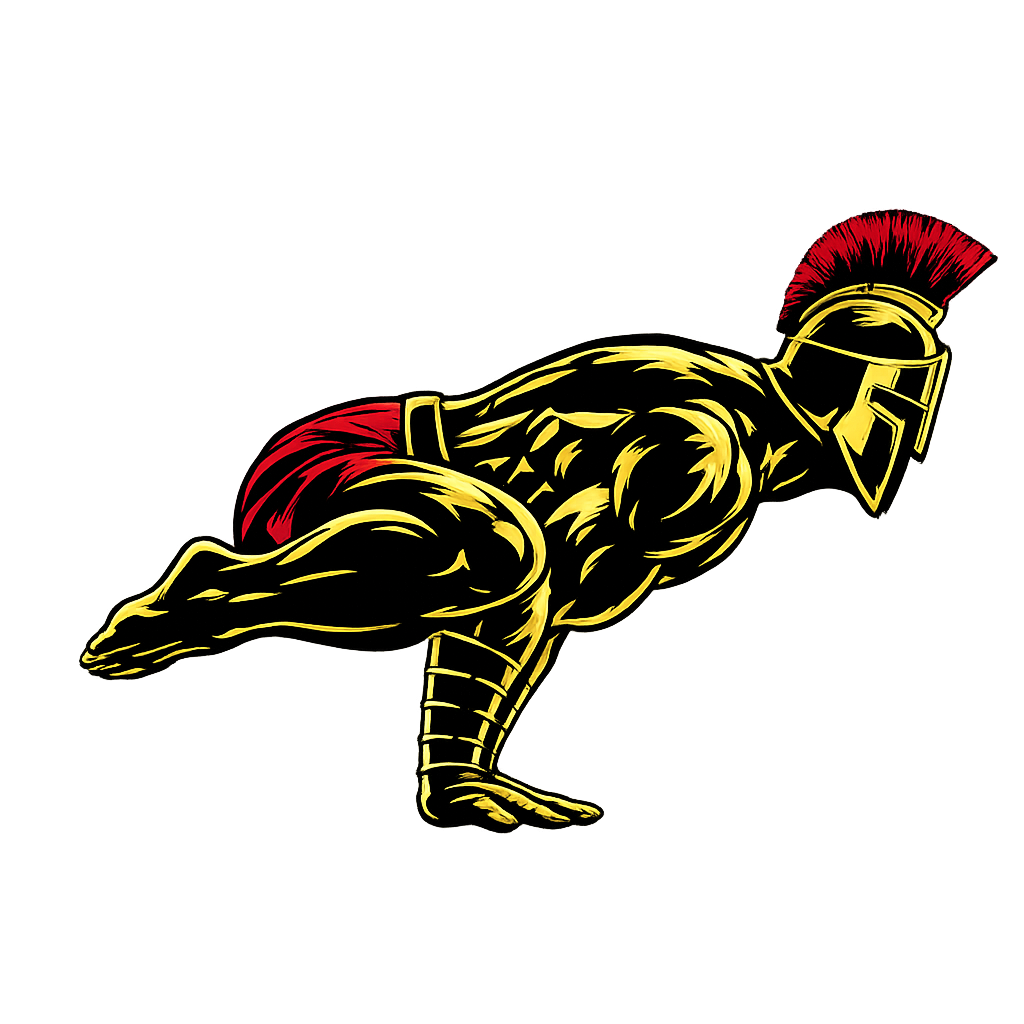
Slowly lower your feet back down when finished.
Frog Holds Form Checklist
Use this checklist to ensure proper form:
- Spread fingers for balance
- Keep core engaged
- Lean forward gradually
- Maintain steady breathing
- Balance body weight evenly
Perfect form improves stability and prevents injury.
Common Frog Holds Mistakes
Leaning Too Fast
Problem: Causes loss of balance.
Fix: Shift weight forward slowly and gradually.
Weak Hand Position
Problem: Reduces stability.
Fix: Spread fingers wide and press firmly into the floor.
Looking Straight Down
Problem: Affects balance.
Fix: Look slightly forward.
Holding Breath
Problem: Increases tension and instability.
Fix: Maintain slow and controlled breathing.
Elbows Collapsing
Problem: Reduces support and balance.
Fix: Keep arms stable and engaged.
Frog Holds Variations
Once you master basic frog holds, these variations can improve strength and balance further.
Tucked Frog Hold
A beginner-friendly variation.
How to Do Tucked Frog Hold
- Keep your knees closer to your chest
- Balance carefully
- Focus on control
Straight-Arm Frog Hold
Increases arm and shoulder demand.
How to Do Straight-Arm Frog Hold
- Keep arms straighter during the hold
- Engage your shoulders strongly
- Maintain balance carefully
One-Leg Frog Hold
Improves balance and control.
How to Do One-Leg Frog Hold
- Extend one leg backward
- Keep the other leg supported
- Alternate sides
Frog Hold to Crow Pose
Progresses toward advanced balance skills.
How to Do Frog Hold to Crow Pose
- Transition from frog hold
- Bring knees closer toward triceps
- Maintain a stable balance
Final Thoughts
Frog holds are one of the best beginner balance exercises you can master.
They build:
- Wrist strength
- Balance and coordination
- Core stability
- Upper-body endurance
- Calisthenics body control
Progress may feel difficult at first because balancing exercises require patience and coordination. However, with consistent practice and proper form, your control and stability will improve rapidly. Learn more about Calisthenics Skills here.
Focus on patience and balance.
A warrior controls his body — not just his strength.
Frog Holds FAQ
Q1: How long should beginners hold a frog hold?
Beginners can start with 5–10-second holds and gradually increase the duration over time.
Q2: Are frog holds good for beginners in calisthenics?
Yes, frog holds are one of the best beginner exercises for developing balance and body control.
Q3: How often should I practice frog holds?
You can train frog holds 3–5 times per week, depending on wrist recovery and training intensity.