
Learn how to do scapular pull-ups with perfect form, avoid common mistakes, and discover the best scapular pull-up variations to build stronger shoulders, improve pull-up performance, and develop elite upper-body control.
Scapular pull-ups are one of the most effective bodyweight exercises for strengthening the muscles that control your shoulder blades. Whether you are working toward your first pull-up, training for military fitness tests, calisthenics, or improving shoulder health, mastering scapular pull-ups is essential.
What Are Scapular Pull-Ups?
A scapular pull-up is a bodyweight exercise performed while hanging from a pull-up bar. Instead of bending your elbows, you pull your shoulder blades down and together to raise your body slightly before lowering back into a dead hang.
Scapular pull-ups are considered one of the best foundational pulling exercises because they teach proper shoulder blade movement, improve upper-body stability, and build the strength needed for strict pull-ups.
Scapular pull-ups are commonly used in:
- Pull-up progression programs
- Military fitness training
- Calisthenics training
- Shoulder rehabilitation and prehabilitation
Unlike regular pull-ups, scapular pull-ups isolate the first phase of the pulling movement, making them ideal for developing proper technique.
Benefits of Scapular Pull-Ups
Scapular pull-ups are one of the most effective exercises for improving pulling strength and shoulder health.
Benefits include:
- Strengthens the shoulder stabilizers
- Improves pull-up technique
- Builds stronger lats
- Increases scapular control
- Enhances shoulder stability
- Helps reduce the risk of shoulder injuries
Few exercises improve pulling mechanics as effectively as scapular pull-ups.
Muscles Worked in Scapular Pull-Ups
Scapular pull-ups activate several upper-body muscles simultaneously.
Primary Muscles
- Latissimus Dorsi (Lats)
- Lower Trapezius
- Rhomboids
Secondary Muscles
- Serratus Anterior
- Rotator Cuff Muscles
- Rear Deltoids
- Forearms and Grip Muscles
- Core Muscles
Because of this muscle activation, scapular pull-ups are one of the best exercises for building a strong foundation for advanced pulling movements.
How to Do Scapular Pull-Ups (Step-by-Step)
Step 1: Grip the Pull-Up Bar
Grab the pull-up bar with:
- Palms facing away from you
- Hands approximately shoulder-width apart
- A firm, secure grip
Tip: Wrap your thumbs around the bar for maximum stability.
Step 2: Start in a Dead Hang
Begin from a full dead hang with:
- Arms completely straight
- Legs still
- Core engaged
- Shoulders relaxed
This is your starting position.
Step 3: Pull Your Shoulder Blades Down
Without bending your elbows, pull your shoulder blades down and slightly together.
Focus on:
- Driving your shoulders away from your ears
- Keeping your elbows locked
- Raising your body only a few centimeters
The movement should come entirely from your shoulder blades.
Step 4: Pause at the Top
At the highest position:
- Hold for one to two seconds
- Squeeze your lats and upper back
- Keep your elbows straight
Avoid turning the movement into a regular pull-up.
Step 5: Lower With Control
Slowly allow your shoulder blades to return to the starting position.
Maintain control throughout the lowering phase and return to a full dead hang before beginning the next repetition.
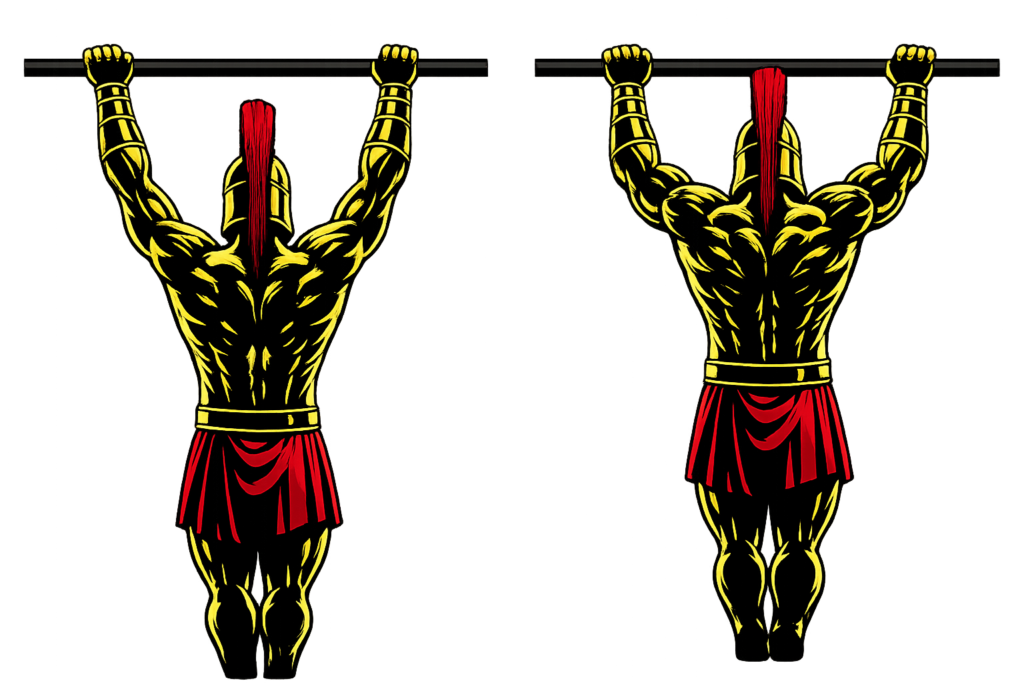
Scapular Pull-Up Form Checklist
Use this quick checklist to ensure perfect scapular pull-up form.
- Keep your elbows completely straight
- Pull your shoulders down away from your ears
- Squeeze your shoulder blades together
- Control every repetition
- Return to a full dead hang
Perfect form builds stronger shoulders and improves pull-up performance.
Common Scapular Pull-Up Mistakes
Bending the Elbows
Problem: Turns the exercise into a regular pull-up.
Fix: Keep your elbows locked throughout every repetition.
Shrugging the Shoulders
Problem: Reduces lat activation and increases neck tension.
Fix: Pull your shoulders downward before beginning each repetition.
Swinging the Body
Problem: Uses momentum instead of muscle control.
Fix: Keep your core tight and your body still.
Using Half Repetitions
Problem: Limits shoulder blade movement.
Fix: Move from a full dead hang to full scapular retraction every repetition.
Rushing the Movement
Problem: Reduces muscle activation.
Fix: Lift in approximately one second, pause briefly, and lower over two to three seconds.
Clean movement always beats extra repetitions.
Scapular Pull-Up Variations
Once you master the basic scapular pull-up, different variations can help improve shoulder control and pulling strength.
Assisted Scapular Pull-Ups
A beginner-friendly variation.
How to Do Assisted Scapular Pull-Ups
- Attach a resistance band to the pull-up bar
- Place one foot or knee inside the band
- Perform the scapular movement with straight arms
This variation reduces the amount of bodyweight you must control.
Scapular Chin-Ups
Targets similar muscles using an underhand grip.
How to Do Scapular Chin-Ups
- Grip the bar with your palms facing you
- Perform the same shoulder blade movement
- Keep your elbows fully extended
This variation emphasizes the lower lats and biceps slightly more.
Single-Arm Scapular Pull-Ups
Develops unilateral shoulder stability.
How to Do Single-Arm Scapular Pull-Ups
- Hang from one arm while using the opposite hand lightly for assistance if needed
- Pull the shoulder blade downward
- Lower under control
This variation improves shoulder strength and stability.
Weighted Scapular Pull-Ups
An advanced progression.
How to Do Weighted Scapular Pull-Ups
- Wear a weighted vest or dip belt
- Perform strict scapular pull-ups
- Maintain perfect technique throughout
This variation develops exceptional pulling strength and scapular control.
Final Thoughts
Scapular pull-ups are one of the most valuable exercises you can master before progressing to full pull-ups.
They build:
- Scapular strength
- Shoulder stability
- Pull-up technique
- Grip strength
- Functional upper-body control
Progress may feel subtle because the movement is small, but every repetition strengthens the foundation for bigger pulling exercises. With consistent practice and proper form, your pull-up performance, shoulder health, and upper-body strength will steadily improve. Learn more about Pull workouts here.
Master the first inch of the pull-up, and the rest becomes much easier.
Focus on quality movement, controlled repetitions, and strong shoulder blade engagement.
A warrior builds strength from the foundation upward.
Scapular Pull-Up FAQ
Q1: Are scapular pull-ups good for beginners?
Yes. Scapular pull-ups are one of the best beginner exercises for learning proper pull-up mechanics and building shoulder strength.
Q2: How many scapular pull-ups should I do?
Most beginners should perform 8–15 repetitions in 2–4 sets, maintaining perfect control and keeping their arms straight.
Q3: Do scapular pull-ups help you get your first pull-up?
Yes. Scapular pull-ups strengthen the lats, lower traps, and shoulder stabilizers, making them one of the best exercises for progressing toward your first strict pull-up.