Learn how to do high knees with perfect form, avoid common mistakes, and discover the best variations to improve conditioning and athletic performance.
High knees are one of the most effective bodyweight cardio exercises for developing endurance, improving coordination, and building explosive lower-body power. Whether you are training for military fitness tests, sports performance, or fat loss, mastering high knees is essential.
What Are High Knees?
High knees are a dynamic cardio exercise where you run in place while driving your knees upward toward your chest as quickly as possible.
This movement combines speed, coordination, and cardiovascular endurance into one powerful exercise.
High knees are commonly used in:
- Military fitness training
- HIIT workouts
- Athletic conditioning programs
- Warm-up routines
Unlike traditional running, high knees place greater emphasis on explosive movement and core engagement.
Benefits of High Knees
High knees are one of the best exercises for conditioning and endurance.
Benefits include:
- Improves cardiovascular endurance
- Burns calories and supports fat loss
- Enhances coordination and agility
- Builds lower-body explosiveness
- Strengthens core and hip flexors
- Essential for military and tactical fitness
Few exercises improve conditioning as effectively as high knees.
Muscles Worked in High Knees
High knees activate multiple lower-body and core muscles.
Primary Muscles
- Quadriceps
- Hip Flexors
- Calves
Secondary Muscles
- Hamstrings
- Glutes
- Core Muscles
- Shoulders
This makes high knees an excellent full-body conditioning exercise.
How to Do High Knees (Step-by-Step)
Step 1: Stand Tall
Stand upright with your feet hip-width apart.
- Core engaged
- Chest upright
- Arms relaxed at your sides
Tip: Stay light on your feet throughout the movement.
Step 2: Begin Running in Place
Start jogging lightly in place.
- Maintain balance
- Keep movements controlled
Step 3: Drive Your Knees Up
Lift one knee toward your chest while pumping the opposite arm.
- Raise knees to waist height if possible
- Land softly on the balls of your feet
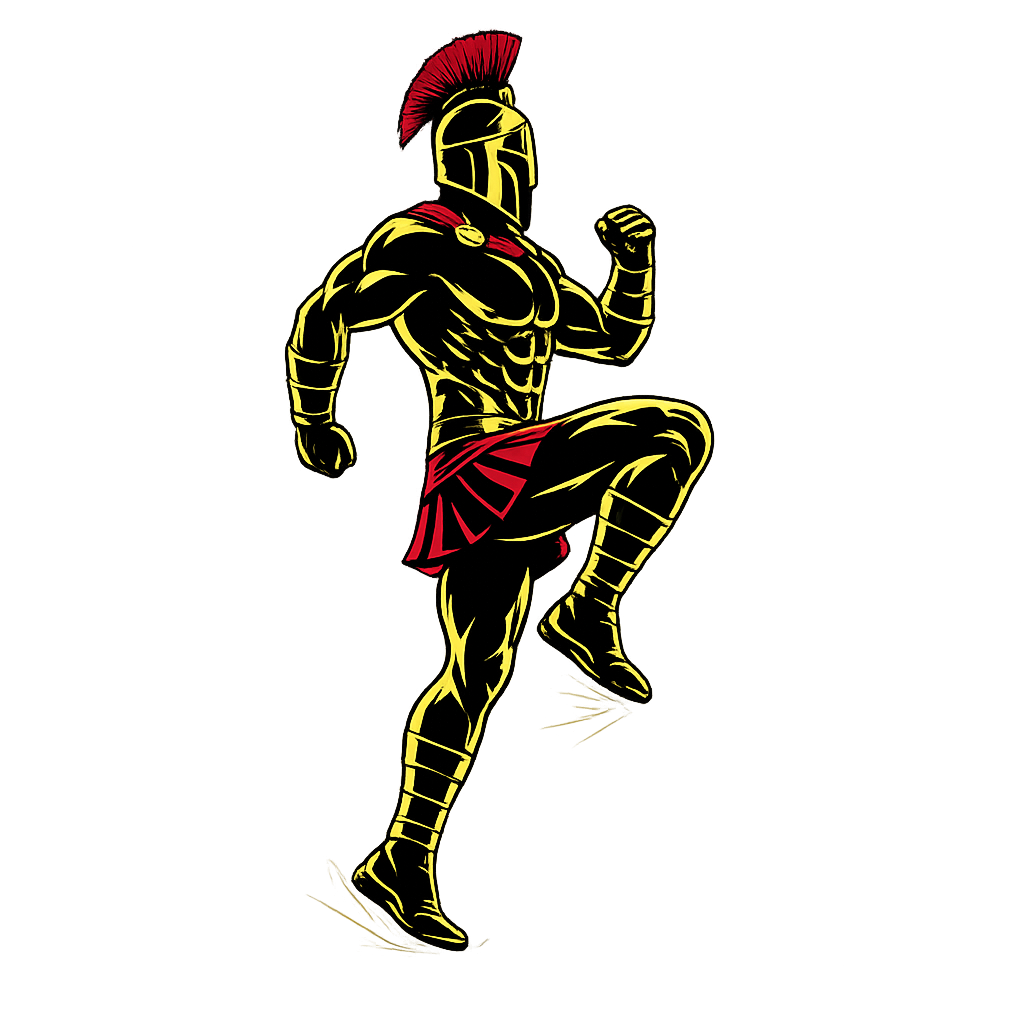
Step 4: Alternate Legs Quickly
Continue switching legs rapidly in a running motion.
- Keep your rhythm steady
- Maintain posture and control
Step 5: Control Your Tempo
Perform the exercise at a manageable pace.
Avoid sacrificing form for speed.
High Knees Form Checklist
Use this checklist to ensure proper form:
- Keep your chest upright
- Drive knees upward with control
- Pump your arms naturally
- Stay on the balls of your feet
- Maintain a steady rhythm
Perfect form improves performance and reduces injury risk.
Common High Knees Mistakes
Leaning Backward
Problem: Reduces efficiency and balance.
Fix: Keep your torso upright.
Low Knee Drive
Problem: Limits effectiveness.
Fix: Raise knees to at least waist level.
Heavy Foot Landing
Problem: Increases joint stress.
Fix: Land softly and stay light on your feet.
Moving Too Fast Too Soon
Problem: Causes poor form.
Fix: Master control before increasing speed.
Weak Arm Movement
Problem: Reduces coordination and power.
Fix: Pump your arms actively during movement.
High Knees Variations
Once you master basic high knees, these variations can increase intensity and effectiveness.
Slow High Knees
A beginner-friendly variation.
How to Do Slow High Knees
- Perform the movement slowly
- Focus on knee height and balance
- Maintain control throughout
Sprint High Knees
Increases speed and conditioning demand.
How to Do Sprint High Knees
- Perform high knees as fast as possible
- Maintain quick foot contact
- Keep posture upright
Resistance Band High Knees
Adds extra resistance for strength and endurance.
How to Do Resistance Band High Knees
- Place a resistance band around your feet or waist
- Perform controlled high knees
- Maintain strong posture
High Knees With Pause
Improves balance and core control.
How to Do High Knees With Pause
- Pause briefly at the top of each knee drive
- Maintain balance
- Alternate sides slowly
Final Thoughts
High knees are one of the most effective conditioning exercises you can master.
They build:
- Cardiovascular endurance
- Lower-body explosiveness
- Coordination and agility
- Core stability
- Athletic performance
Progress may feel challenging at first, especially during longer sets. However, with consistent training and proper form, your endurance and conditioning will rapidly improve. Learn more about Conditioning Exercises here.
Focus on rhythm and control.
A warrior moves fast — but never loses form.
High Knees FAQ
Q1: How long should beginners do high knees?
Beginners can start with 20–30 seconds per set and gradually increase duration over time.
Q2: Are high knees good for fat loss?
Yes, high knees burn calories effectively and are excellent for improving conditioning.
Q3: How often should I do high knees?
You can train high knees 3–5 times per week as part of your conditioning workouts.