Learn how to do a one-arm pull-up with perfect form, avoid common mistakes, and discover the best one-arm pull-up variations to build elite unilateral pulling strength, improve grip power, and master one of the most impressive calisthenics skills.
The one-arm pull-up is one of the most advanced bodyweight exercises, demanding extraordinary strength, grip endurance, and body control. Unlike a standard pull-up, where both arms share the workload, a one-arm pull-up requires a single arm to lift your entire body while your core prevents rotation and maintains balance.
Whether you’re training for advanced calisthenics, climbing, obstacle course racing, military fitness, or personal achievement, mastering the one-arm pull-up represents an elite level of upper-body strength.
What Is a One-Arm Pull-Up?
A one-arm pull-up is an advanced bodyweight pulling exercise performed by hanging from a pull-up bar with one hand and pulling your body upward until your chin clears the bar before lowering back under control.
Unlike standard pull-ups, one-arm pull-ups require exceptional unilateral strength, shoulder stability, grip endurance, and core control.
One-arm pull-ups are commonly used in:
- Advanced calisthenics training
- Climbing strength programs
- Military fitness
- Gymnastics strength development
- Elite functional strength training
Because of the tremendous strength required, most athletes spend months or even years progressing toward their first strict one-arm pull-up.
Benefits of One-Arm Pull-Ups
One-arm pull-ups are one of the most demanding upper-body exercises you can perform.
Benefits include:
- Builds elite unilateral pulling strength
- Develops exceptional grip strength
- Increases lat and bicep size
- Improves shoulder stability
- Strengthens the core against rotation
- Corrects left-to-right strength imbalances
- Requires only a pull-up bar
Few exercises demonstrate upper-body strength as impressively as a strict one-arm pull-up.
Muscles Worked in One-Arm Pull-Ups
One-arm pull-ups recruit nearly every pulling muscle in the upper body.
Primary Muscles
- Latissimus Dorsi
- Biceps Brachii
- Brachialis
Secondary Muscles
- Rhomboids
- Trapezius
- Rear Deltoids
- Forearm Flexors
- Rotator Cuff Muscles
- Core Muscles
- Obliques
Because of this muscle activation, one-arm pull-ups are among the most effective bodyweight exercises for developing functional pulling strength.
How to Do a One-Arm Pull-Up (Step-by-Step)
Step 1: Grip the Pull-Up Bar
Reach overhead and grasp the pull-up bar with one hand.
Maintain:
- A full grip with your thumb wrapped around the bar
- Arm fully extended
- Shoulder engaged
- Free arm resting by your side or across your chest
Tip: Keep your wrist straight to maximize grip strength.
Step 2: Brace Your Body
Before pulling:
- Tighten your core
- Squeeze your glutes
- Keep your legs together
- Minimize body movement
Your body should remain as stable as possible throughout the exercise.
Step 3: Pull Yourself Up
Drive your elbow downward while pulling your chest toward the bar.
Focus on:
- Pulling with your back rather than only your arm
- Keeping your shoulder stable
- Avoiding excessive twisting
- Maintaining smooth control
Continue pulling until your chin clears the bar.
Step 4: Pause Briefly
At the top position:
- Keep your chin above the bar
- Maintain full-body tension
- Avoid shrugging your shoulders
Pause briefly while staying in control.
Step 5: Lower Yourself Slowly
Slowly lower yourself back to the starting position.
Maintain:
- A controlled descent
- Full shoulder engagement
- Straight arm at the bottom
- Stable body alignment
Complete all repetitions before switching arms.
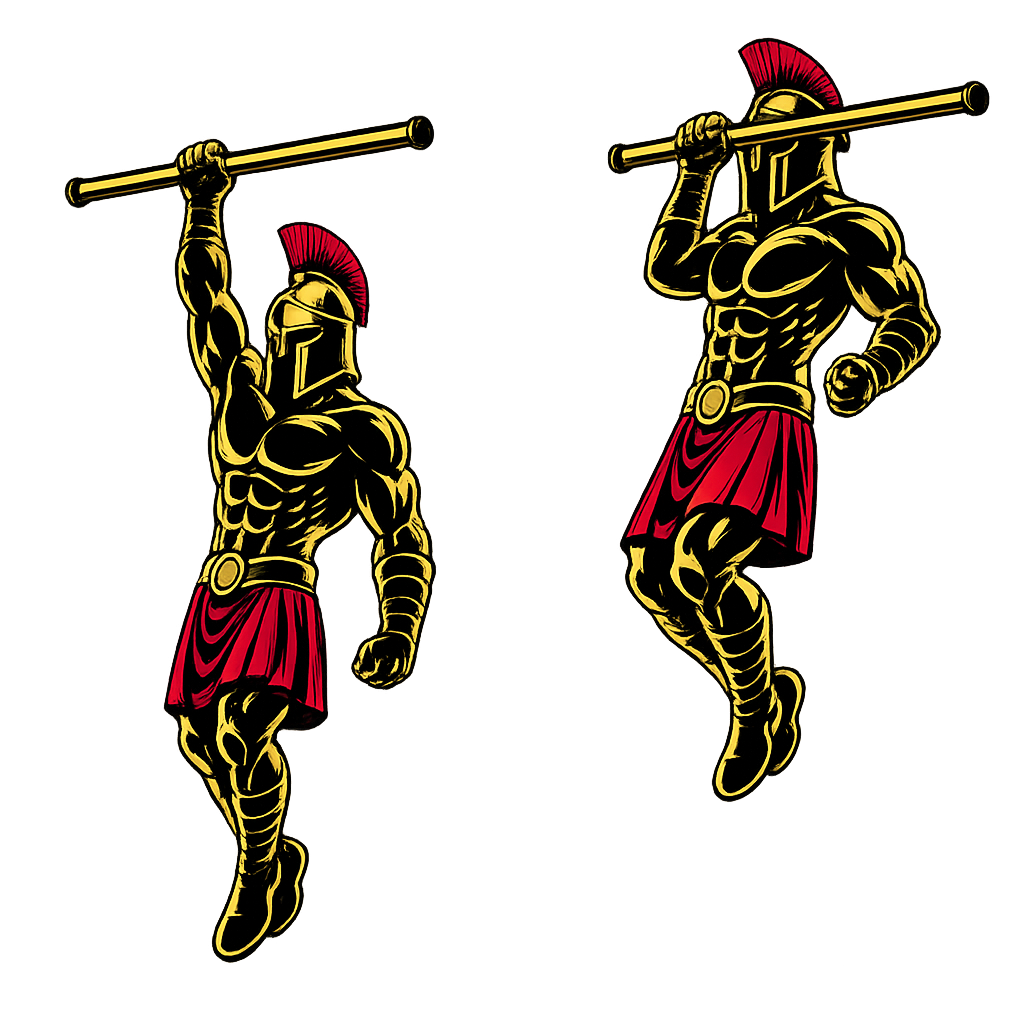
One-Arm Pull-Up Form Checklist
Use this quick checklist to ensure perfect one-arm pull-up form.
- Use a secure full grip
- Keep your body controlled
- Minimize twisting
- Lower slowly
- Train both arms equally
Perfect technique develops strength while protecting the shoulders and elbows.
Common One-Arm Pull-Up Mistakes
Using Excessive Swing
Problem: Momentum reduces muscle activation and makes the exercise less effective.
Fix: Begin each repetition from a controlled dead hang and avoid kipping.
Twisting the Torso
Problem: Places unnecessary stress on the shoulder and reduces pulling efficiency.
Fix: Brace your core and keep your body aligned throughout the movement.
Shrugging the Shoulder
Problem: Reduces shoulder stability and may increase injury risk.
Fix: Keep the working shoulder engaged and pulled away from your ear.
Rushing the Descent
Problem: Misses valuable eccentric strength development.
Fix: Lower yourself slowly over three to five seconds.
Attempting the Exercise Too Early
Problem: Insufficient strength often leads to poor technique and overuse injuries.
Fix: Master advanced pull-up progressions before attempting a strict one-arm pull-up.
Patience and consistency are the keys to mastering this elite skill.
One-Arm Pull-Up Variations
These progressions will help you safely build toward your first one-arm pull-up.
Archer Pull-Ups
The best progression.
How to Do Archer Pull-Ups
- Grip the bar with a wide overhand grip.
- Pull your body toward one hand while keeping the opposite arm nearly straight.
- Alternate sides each set.
This variation develops unilateral pulling strength.
Assisted One-Arm Pull-Ups
Builds confidence and strength.
How to Do Assisted One-Arm Pull-Ups
- Grip the bar with one hand.
- Lightly assist yourself using a resistance band or your opposite hand on a towel attached to the bar.
- Gradually reduce assistance over time.
One-Arm Negative Pull-Ups
Develops eccentric strength.
How to Do One-Arm Negative Pull-Ups
- Start with your chin above the bar.
- Slowly lower yourself using one arm.
- Aim for a controlled descent lasting three to five seconds.
This variation is one of the most effective ways to build one-arm pulling strength.
Weighted Pull-Ups
Builds maximum pulling power.
How to Do Weighted Pull-Ups
- Wear a weighted vest or use a dip belt.
- Perform strict pull-ups through a full range of motion.
- Increase the load gradually while maintaining perfect form.
Weighted pull-ups build the strength necessary for advanced unilateral pulling.
Final Thoughts
The one-arm pull-up is one of the highest achievements in calisthenics and bodyweight strength training.
It develops:
- Elite pulling strength
- Crushing grip power
- Shoulder stability
- Core control
- Total-body coordination
Mastering the one-arm pull-up requires patience, progressive overload, and flawless technique. Focus on building a strong foundation through pull-up progressions rather than rushing toward the final skill. Learn more about Pull Workouts here.
Strength earned through discipline lasts a lifetime.
A warrior is measured not by shortcuts, but by the mastery forged through relentless practice.
One-Arm Pull-Up FAQ
Q1: Is the one-arm pull-up harder than the muscle-up?
Yes. For most athletes, the one-arm pull-up requires significantly greater relative pulling strength than a muscle-up, making it one of the most difficult bodyweight exercises.
Q2: What should I master before attempting a one-arm pull-up?
You should first master strict pull-ups, weighted pull-ups, archer pull-ups, false grip pull-ups, active hangs, and one-arm negative pull-ups before attempting a full one-arm pull-up.
Q3: How many pull-ups should I be able to do before training for a one-arm pull-up?
While there is no fixed requirement, many athletes can perform at least 15-20 strict pull-ups or several weighted pull-ups before beginning dedicated one-arm pull-up progressions. Quality of strength and control is more important than repetition count alone.