Learn how to do jumping jacks with perfect form, avoid common mistakes, and discover the best jumping jack variations to improve conditioning and athletic performance.
Jumping jacks are one of the most effective bodyweight exercises for increasing heart rate, improving coordination, and developing cardiovascular endurance. Whether you are training for military fitness tests, sports performance, or general fitness, mastering jumping jacks is essential.
What Are Jumping Jacks?
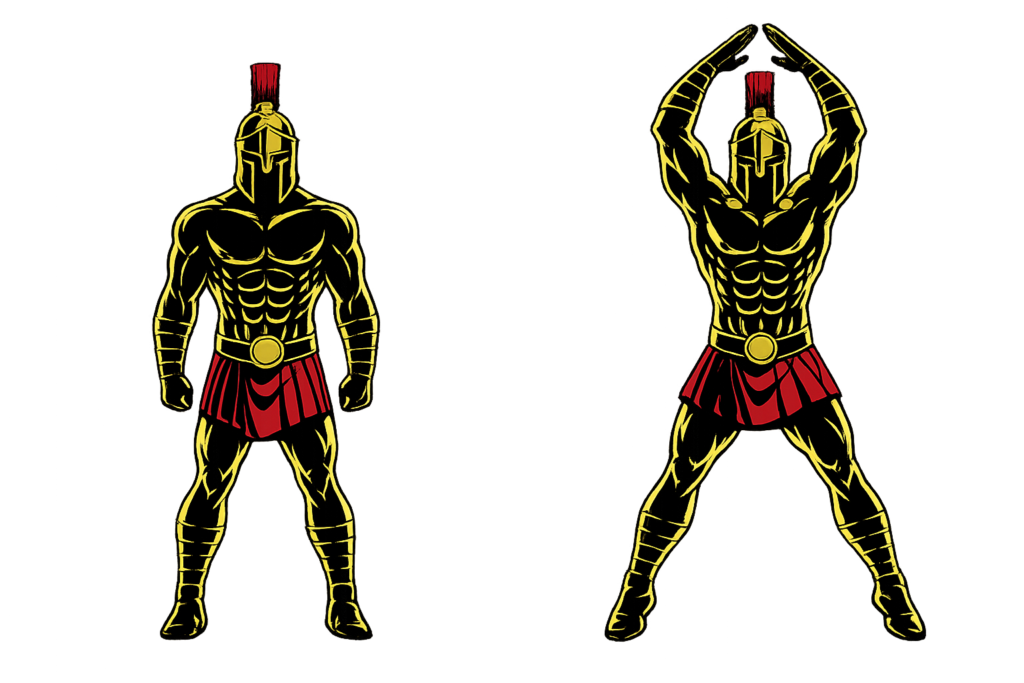
A jumping jack is a full-body exercise where you jump your feet apart while raising your arms overhead, then return to the starting position.
The jumping jack is considered one of the best conditioning exercises because it combines cardiovascular training with full-body movement.
Jumping jacks are commonly used in:
- Military fitness training
- Athletic warm-ups
- High-intensity interval training (HIIT)
- General fitness workouts
Unlike many cardio exercises that require equipment, jumping jacks can be performed virtually anywhere.
Benefits of Jumping Jacks
Jumping jacks are one of the most effective exercises for improving overall fitness.
Benefits include:
- Improves cardiovascular endurance
- Increases heart rate quickly
- Enhances coordination and rhythm
- Burns calories efficiently
- Activates the entire body
- Requires no equipment
Few exercises raise the heart rate as effectively as jumping jacks.
Muscles Worked in Jumping Jacks
Jumping jacks activate multiple muscle groups throughout the body.
Primary Muscles
- Deltoids
- Quadriceps
- Calves
Secondary Muscles
- Glutes
- Hip Abductors
- Hamstrings
- Core Muscles
- Trapezius
Because of this muscle activation, jumping jacks are one of the best exercises for full-body conditioning.
How to Do Jumping Jacks (Step-by-Step)
Step 1: Stand Tall
Begin with:
- Feet together
- Arms resting at your sides
- Chest up
- Core engaged
Tip: Maintain a slight bend in your knees to absorb impact.
Step 2: Jump Your Feet Apart
Jump your feet outward to slightly wider than shoulder width.
Focus on:
- Landing softly
- Maintaining balance
- Keeping your core engaged
Avoid locking your knees.
Step 3: Raise Your Arms Overhead
As your feet move apart, simultaneously raise your arms out to the sides and overhead.
Focus on:
- Coordinating arm and leg movement
- Keeping the motion smooth
- Maintaining good posture
Your hands may touch overhead if comfortable.
Step 4: Return to the Starting Position
Jump your feet back together while lowering your arms to your sides.
At this stage:
- Land softly
- Maintain control
- Keep breathing steadily
This completes one repetition.
Step 5: Continue Rhythmically
Repeat the movement continuously for the desired time or repetitions.
Maintain a steady pace throughout the exercise.
Jumping Jack Form Checklist
Use this quick checklist to ensure perfect jumping jack form.
- Keep your chest up
- Land softly on every repetition
- Coordinate arm and leg movements
- Maintain a steady rhythm
- Keep your core engaged
Perfect form improves performance and reduces injury risk.
Common Jumping Jack Mistakes
Landing Heavily
Problem: Places unnecessary stress on the joints.
Fix: Land softly with slightly bent knees.
Losing Coordination
Problem: Reduces efficiency and rhythm.
Fix: Start slowly and gradually increase speed.
Rounding the Shoulders
Problem: Reduces upper-body mobility.
Fix: Keep your chest up and posture tall.
Holding Your Breath
Problem: Reduces endurance.
Fix: Maintain steady breathing throughout the exercise.
Moving Too Fast
Problem: Causes poor form and unnecessary fatigue.
Fix: Focus on smooth and controlled repetitions.
Quality movement always beats sloppy speed.
Jumping Jack Variations
Once you master the basic jumping jack, different variations can help increase difficulty and improve conditioning.
Half Jacks
A beginner-friendly variation.
How to Do Half Jacks
- Move only your legs while keeping your arms stationary
- Maintain a controlled rhythm
- Land softly
This variation reduces coordination demands.
Low-Impact Jumping Jacks
Ideal for beginners and joint-sensitive individuals.
How to Do Low-Impact Jumping Jacks
- Step one foot out at a time instead of jumping
- Raise your arms overhead
- Alternate sides
This variation reduces impact on the joints.
Cross Jacks
Improves coordination and athleticism.
How to Do Cross Jacks
- Cross your arms and legs in front of your body
- Alternate sides each repetition
- Maintain a steady rhythm
This variation challenges coordination and balance.
Star Jumps
An advanced progression.
How to Do Star Jumps
- Explosively jump upward
- Spread your arms and legs wide in mid-air
- Land softly and reset
This variation develops power and explosiveness.
Final Thoughts
Jumping jacks are one of the most effective conditioning exercises you can master.
They build:
- Cardiovascular endurance
- Full-body coordination
- Muscular endurance
- Athletic conditioning
- Functional movement capacity
Progress may feel gradual at first, especially if your cardiovascular fitness is limited. However, with consistent training and proper form, your endurance and conditioning will steadily improve. Learn more about StretchingHere.
One minute of quality movement is always better than one minute of sloppy movement.
Focus on rhythm, control, and consistent effort.
A warrior’s endurance is built one repetition at a time.
Jumping Jack FAQ
Q1: Are jumping jacks good for weight loss?
Yes. Jumping jacks burn calories, elevate heart rate, and can contribute to weight loss when combined with proper nutrition and regular exercise.
Q2: How many jumping jacks should a beginner do?
Most beginners can start with 20-50 repetitions or 30-60 seconds per set while maintaining proper form.
Q3: Can jumping jacks be used as a warm-up?
Yes. Jumping jacks are an excellent warm-up exercise because they increase blood flow, elevate heart rate, and prepare the body for more intense activity.
Comments are closed.