
Learn how to do bicycle crunches with perfect form, avoid common mistakes, and discover the best bicycle crunch variations to build real core strength.
Bicycle crunches are one of the most effective bodyweight exercises for developing stronger abs, building rotational strength, and improving core endurance. Whether you are training for military fitness tests, athletic performance, or general fitness, mastering bicycle crunches is essential.
What Are Bicycle Crunches?
A bicycle crunch is a bodyweight exercise where you alternately bring your elbow toward the opposite knee while extending the other leg.
The bicycle crunch is considered one of the best abdominal exercises because it trains both the rectus abdominis and obliques while improving coordination.
Bicycle crunches are commonly used in:
- Military fitness training
- Athletic conditioning programs
- Core strengthening routines
- General fitness workouts
Unlike traditional crunches, bicycle crunches incorporate rotation, making them excellent for developing functional core strength.
Benefits of Bicycle Crunches
Bicycle crunches are one of the most effective exercises for developing core strength.
Benefits include:
- Strengthens the abdominal muscles
- Targets the obliques effectively
- Improves rotational strength
- Enhances coordination and balance
- Builds muscular endurance
- Requires no equipment
Few exercises challenge the core as effectively as bicycle crunches.
Muscles Worked in Bicycle Crunches
Bicycle crunches activate several core muscles simultaneously.
Primary Muscles
- Rectus Abdominis
- External Obliques
Secondary Muscles
- Internal Obliques
- Hip Flexors
- Transverse Abdominis
- Lower Back Stabilizers
Because of this muscle activation, bicycle crunches are one of the best exercises for developing a strong and functional core.
How to Do Bicycle Crunches (Step-by-Step)
Step 1: Lie Flat on Your Back
Begin with:
- Knees bent
- Hands lightly behind your head
- Core engaged
Tip: Avoid pulling on your neck during the exercise.
Step 2: Lift Your Upper Body and Legs
Raise your shoulders slightly off the floor and lift your feet off the ground.
Focus on:
- Keeping your lower back pressed into the floor
- Engaging your abs
- Maintaining a neutral neck position
This creates a stable starting position.

Step 3: Bring Opposite Elbow and Knee Together
Rotate your torso and bring one elbow toward the opposite knee.
At the same time:
- Extend the other leg straight
- Keep the movement controlled
- Focus on twisting through the torso
Avoid simply moving the elbows.
Step 4: Alternate Sides
Return to the center and repeat on the opposite side.
Focus on:
- Smooth transitions
- Controlled movement
- Consistent breathing
Pause briefly between repetitions if needed.
Step 5: Continue the Movement
Continue alternating sides for the desired number of repetitions.
Maintain proper form throughout every rep.
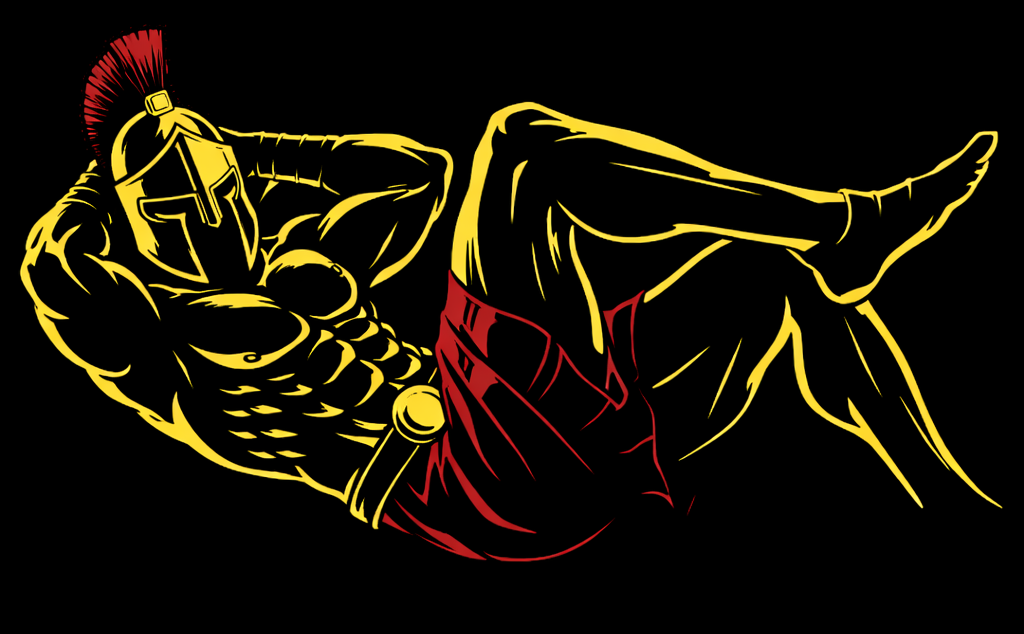
Bicycle Crunch Form Checklist
Use this quick checklist to ensure perfect bicycle crunch form.
- Keep your core engaged
- Rotate through the torso
- Avoid pulling on your neck
- Keep movements controlled
- Extend the opposite leg fully
Perfect form builds strength faster and prevents injury.
Common Bicycle Crunch Mistakes
Pulling the Neck
Problem: Causes unnecessary neck strain.
Fix: Keep your hands light and focus on moving through the torso.
Moving Too Quickly
Problem: Reduces abdominal activation.
Fix: Perform each repetition slowly and under control.
Using Only the Arms
Problem: Limits oblique engagement.
Fix: Rotate your shoulders and torso rather than just your elbows.
Arching the Lower Back
Problem: Places stress on the spine.
Fix: Keep your lower back pressed into the floor.
Incomplete Leg Extension
Problem: Reduces exercise effectiveness.
Fix: Fully extend the opposite leg during every repetition.
Clean reps always beat fast reps.
Bicycle Crunch Variations
Once you master the basic bicycle crunch, different variations can help build strength and increase difficulty.
Bent-Knee Bicycle Crunches
A beginner-friendly variation.
How to Do Bent-Knee Bicycle Crunches
- Keep the movements smaller
- Bend the extending leg slightly
- Focus on controlled rotations
This variation reduces the difficulty while building coordination.
Slow Bicycle Crunches
Emphasizes muscle control and time under tension.
How to Do Slow Bicycle Crunches
- Perform each repetition slowly
- Pause briefly on each side
- Maintain constant abdominal tension
This variation improves core endurance.
Weighted Bicycle Crunches
Adds resistance for greater strength gains.
How to Do Weighted Bicycle Crunches
- Hold a light plate or medicine ball
- Perform the movement slowly
- Maintain proper technique
This variation increases abdominal strength.
V-Ups
An advanced progression.
How to Do V-Ups
- Raise your upper body and legs simultaneously
- Reach toward your feet
- Lower under control
This variation develops total core strength.
Final Thoughts
The bicycle crunch is one of the most effective exercises you can master.
It builds:
- Abdominal strength
- Oblique strength
- Rotational power
- Core endurance
- Functional athletic performance
Progress may feel slow at first, especially for beginners. However, with consistent training and proper form, your core strength and coordination will steadily improve. Learn more about Core Workouts here.
One perfect repetition is always better than ten rushed reps.
Focus on quality repetitions, controlled movement, and proper rotation.
A warrior’s strength is forged not only through power, but through control.
Essential Gear for Bicycle Crunches
Using the right equipment can make bicycle crunch training more comfortable, effective, and easier to progress as your core strength and endurance improve.
- Exercise Mat: The most essential piece of equipment for bicycle crunches. It provides a comfortable, cushioned surface that supports your back and tailbone throughout every repetition.
- Medicine Ball: Ideal for weighted bicycle crunch variations, helping increase resistance while building greater core strength and rotational power.
- Weight Plate: A great alternative to a medicine ball for adding resistance once bodyweight bicycle crunches become easier.
- Resistance Bands: Perfect for adding resistance to advanced core exercises and improving rotational strength through a greater range of motion.
- Foam Roller: Useful for loosening the hip flexors, lower back, and obliques before training, helping improve mobility and making each repetition more comfortable.
Bicycle Crunch FAQ
Q1: Are bicycle crunches better than regular crunches?
Bicycle crunches generally activate more muscles because they train both the rectus abdominis and the obliques through rotational movement.
Q2: How many bicycle crunches should a beginner do?
Most beginners can start with 10-20 repetitions per side for 2-4 sets while focusing on proper form.
Q3: How often should I do bicycle crunches?
You can train bicycle crunches 2-5 times per week depending on your recovery and overall training volume.