Learn how to do a dead bug with perfect form, avoid common mistakes, and discover the best dead bug variations to build a stronger core, improve stability, and enhance total-body coordination.
The dead bug is one of the most effective bodyweight core exercises for developing abdominal strength, spinal stability, and movement coordination. Whether you are training for military fitness, calisthenics, strength training, or injury prevention, mastering the dead bug is essential.
What Is a Dead Bug?
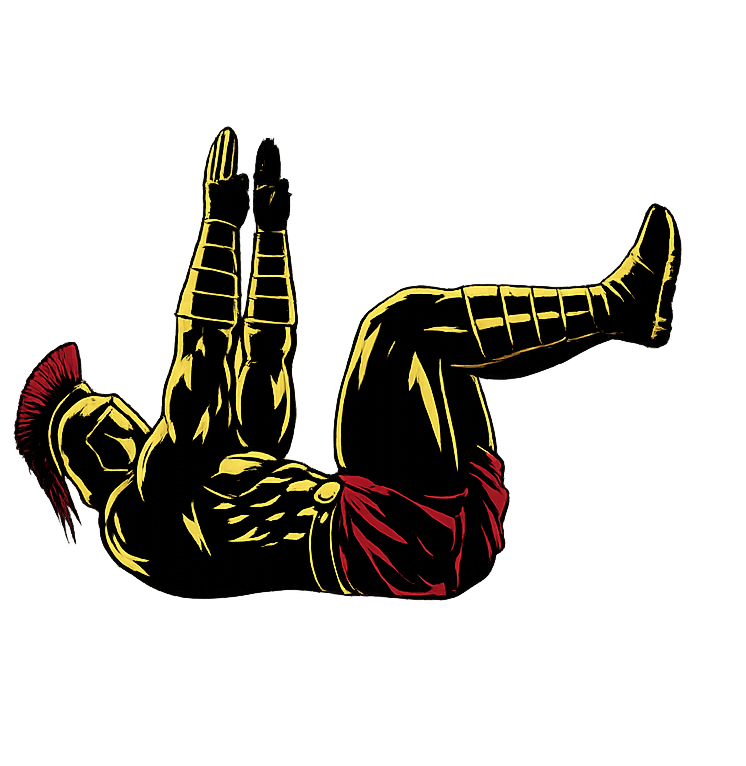
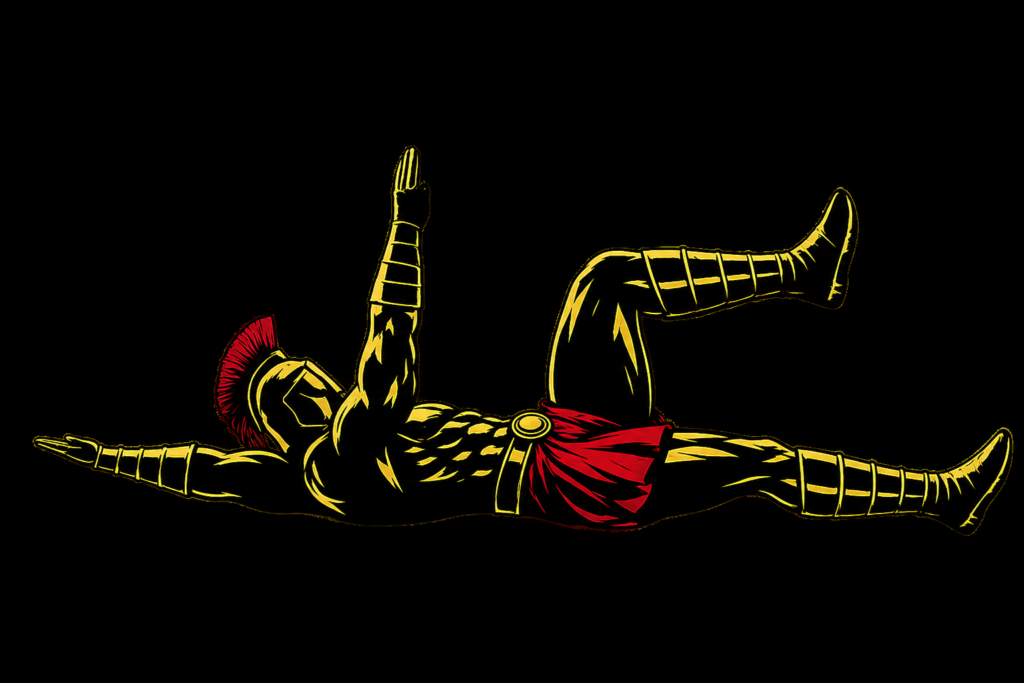
A dead bug is a bodyweight core exercise performed while lying on your back, where you simultaneously lower one arm and the opposite leg while keeping your lower back pressed firmly against the floor.
The dead bug is considered one of the best core stability exercises because it strengthens the deep abdominal muscles while teaching your body to resist unwanted spinal movement.
Dead bugs are commonly used in:
- Core strengthening programs
- Athletic performance training
- Rehabilitation and injury prevention
- Calisthenics and strength training
Unlike traditional abdominal exercises that emphasize spinal flexion, the dead bug focuses on anti-extension, making it highly effective for building a stable and resilient core.
Benefits of Dead Bugs
Dead bugs are one of the most effective exercises for developing functional core strength.
Benefits include:
- Strengthens the deep core muscles
- Improves spinal stability
- Enhances coordination and balance
- Helps reduce lower back discomfort
- Improves posture
- Requires no equipment
Few bodyweight exercises build core stability as effectively as the dead bug.
Muscles Worked in Dead Bugs
Dead bugs activate several muscles throughout the core and lower body.
Primary Muscles
- Transverse Abdominis
- Rectus Abdominis
- Internal and External Obliques
Secondary Muscles
- Hip Flexors
- Erector Spinae
- Serratus Anterior
- Quadriceps
- Shoulder Stabilizers
Because of this muscle activation, dead bugs are one of the best exercises for improving core endurance and movement control.
How to Do a Dead Bug (Step-by-Step)
Step 1: Lie on Your Back
Begin with:
- Knees bent to approximately 90 degrees
- Hips bent to 90 degrees
- Arms extended straight toward the ceiling
- Lower back pressed firmly into the floor
- Core engaged
Tip: Imagine pressing your belly button toward the floor throughout the exercise.
Step 2: Brace Your Core
Before moving:
- Tighten your abdominal muscles
- Maintain steady breathing
- Keep your lower back flat against the floor
Your spine should remain neutral throughout the movement.
Step 3: Extend Opposite Arm and Leg
Slowly lower one arm behind your head while simultaneously extending the opposite leg toward the floor.
Focus on:
- Moving both limbs at the same speed
- Keeping your lower back pressed into the floor
- Performing the movement slowly and under control
Only lower your leg as far as you can without lifting your lower back.
Step 4: Return to the Starting Position
Bring your arm and leg back to the starting position.
At this stage:
- Maintain full-body control
- Keep your core tight
- Avoid rushing the movement
Pause briefly before switching sides.
Step 5: Repeat on the Opposite Side
Lower the opposite arm and leg while maintaining the same controlled movement.
Continue alternating sides for the desired number of repetitions.
Dead Bug Form Checklist
Use this quick checklist to ensure perfect dead bug form.
- Keep your lower back pressed into the floor
- Move slowly and with control
- Keep your core fully engaged
- Coordinate opposite arm and leg movement
- Maintain steady breathing
Perfect form develops stronger core stability and better movement control.
Common Dead Bug Mistakes
Letting the Lower Back Arch
Problem: Reduces core activation and places stress on the spine.
Fix: Keep your lower back firmly pressed into the floor throughout every repetition.
Moving Too Quickly
Problem: Reduces stability and coordination.
Fix: Perform each repetition slowly and deliberately.
Lowering the Leg Too Far
Problem: Causes the lower back to lift off the floor.
Fix: Only extend your leg as far as you can while maintaining proper spinal position.
Holding Your Breath
Problem: Increases tension and reduces endurance.
Fix: Breathe naturally throughout each repetition.
Bending the Arms or Legs Excessively
Problem: Changes the intended movement pattern.
Fix: Keep your movements smooth while maintaining the recommended joint angles.
Controlled repetitions always beat fast repetitions.
Dead Bug Variations
Once you master the basic dead bug, different variations can help improve core strength and stability.
Bent-Knee Dead Bug
A beginner-friendly variation.
How to Do a Bent-Knee Dead Bug
- Lower only your arms while keeping both knees bent
- Alternate sides
- Focus on maintaining spinal stability
This variation reduces the difficulty while reinforcing proper technique.
Straight-Leg Dead Bug
Increases the challenge.
How to Do a Straight-Leg Dead Bug
- Keep both legs straight throughout the movement
- Alternate opposite arm and leg
- Maintain lower-back contact with the floor
This variation increases core demand.
Stability Ball Dead Bug
Improves coordination.
How to Do a Stability Ball Dead Bug
- Hold a stability ball between your hands and knees
- Extend the opposite arm and leg
- Maintain pressure on the ball throughout
This variation improves total-body coordination.
Resistance Band Dead Bug
An advanced progression.
How to Do a Resistance Band Dead Bug
- Attach a resistance band overhead
- Hold the band while performing the dead bug movement
- Maintain constant tension throughout
This variation increases upper-body and core engagement.
Final Thoughts
The dead bug is one of the most effective exercises you can master for developing a strong, stable core.
It builds:
- Core strength
- Spinal stability
- Coordination
- Balance
- Functional athletic control
Progress may seem gradual because the dead bug focuses on stability rather than heavy resistance. However, with consistent practice and proper form, your core strength, posture, and movement quality will steadily improve. Learn more about Core Workouts here.
A strong core is built through control, not speed.
Focus on smooth repetitions, steady breathing, and complete body control.
A warrior’s power begins with an unshakable foundation.
Dead Bug FAQ
Q1: Is the dead bug good for beginners?
Yes. The dead bug is one of the safest and most effective beginner core exercises because it teaches spinal stability while strengthening the deep abdominal muscles.
Q2: How many dead bugs should I do?
Most beginners should perform 8-12 repetitions per side for 2-4 sets while maintaining perfect form.
Q3: Does the dead bug help reduce lower back pain?
Yes. When performed correctly, the dead bug strengthens the core muscles that stabilize the spine, which can help reduce lower back discomfort and improve posture. Always consult a healthcare professional if you have persistent or severe back pain.