Hip Openers: How to Do Them Properly (Step-by-Step Guide)

Hip openers help improve range of motion, balance, and coordination, making them essential before exercises like squats, lunges, running, and kicking.


What Are Hip Openers?

Hip openers are dynamic mobility exercises that involve lifting and rotating your leg outward to improve hip flexibility and joint mobility.

They are widely used in warm-ups for sports, calisthenics, martial arts, and military training because they prepare the hips for movement.

Since they require no equipment, hip openers are ideal for home workouts and daily mobility routines.

Benefits of Hip Openers

Adding hip openers to your routine provides several key benefits.

1. Improves Hip Mobility

Hip openers increase flexibility and range of motion in the hip joint.

2. Activates Lower Body Muscles

They prepare the glutes, hip flexors, and thighs for exercise.

3. Enhances Athletic Performance

Better hip mobility improves squatting, running, and kicking ability.

4. Reduces Risk of Injury

Warming up the hips helps prevent strains during workouts.

5. Improves Balance and Coordination

Standing on one leg improves stability and control.

Muscles Worked During Hip Openers

Hip openers activate several important lower-body muscles.

Primary Muscles
  • Hip flexors
  • Glutes (gluteus medius and maximus)
Secondary Muscles
  • Adductors (inner thighs)
  • Core muscles
  • Quadriceps
  • Hamstrings

These muscles work together to stabilize the hip joint and control movement.


How to Do Hip Openers Properly

Step-by-Step Instructions

  1. Stand upright with your feet shoulder-width apart.
  2. Keep your chest up and core engaged.
  3. Shift your weight onto one leg.
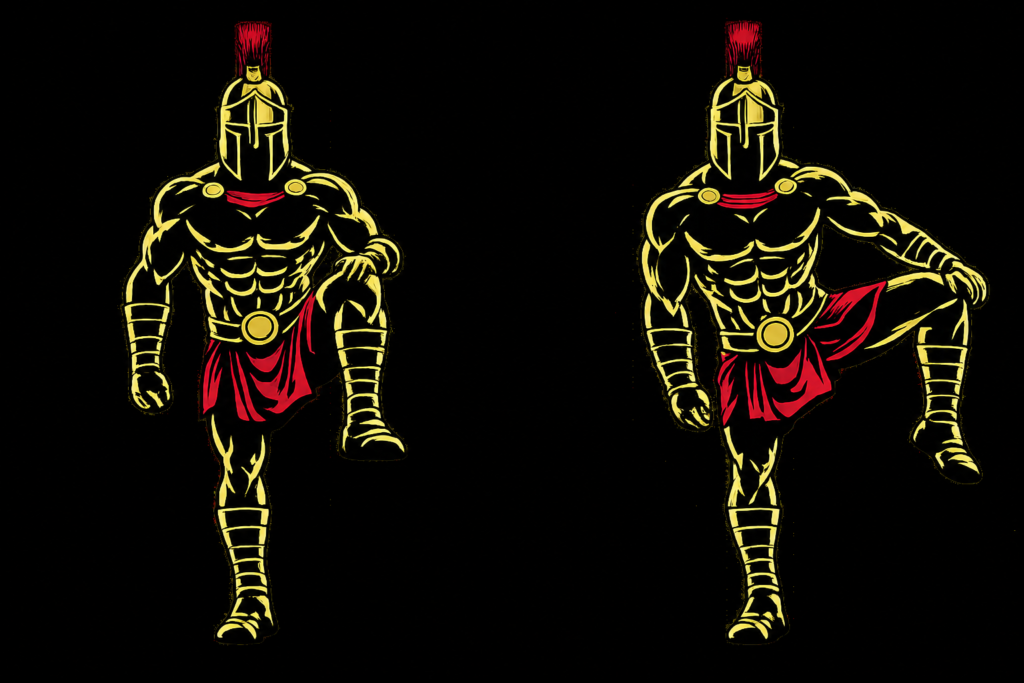
  4. Lift the opposite knee up toward your chest.
  5. Rotate your hip outward, opening your knee to the side.
  6. Lower your leg back down in a controlled motion.
  7. Repeat the movement, then switch legs.

Focus on slow, controlled movement rather than speed.

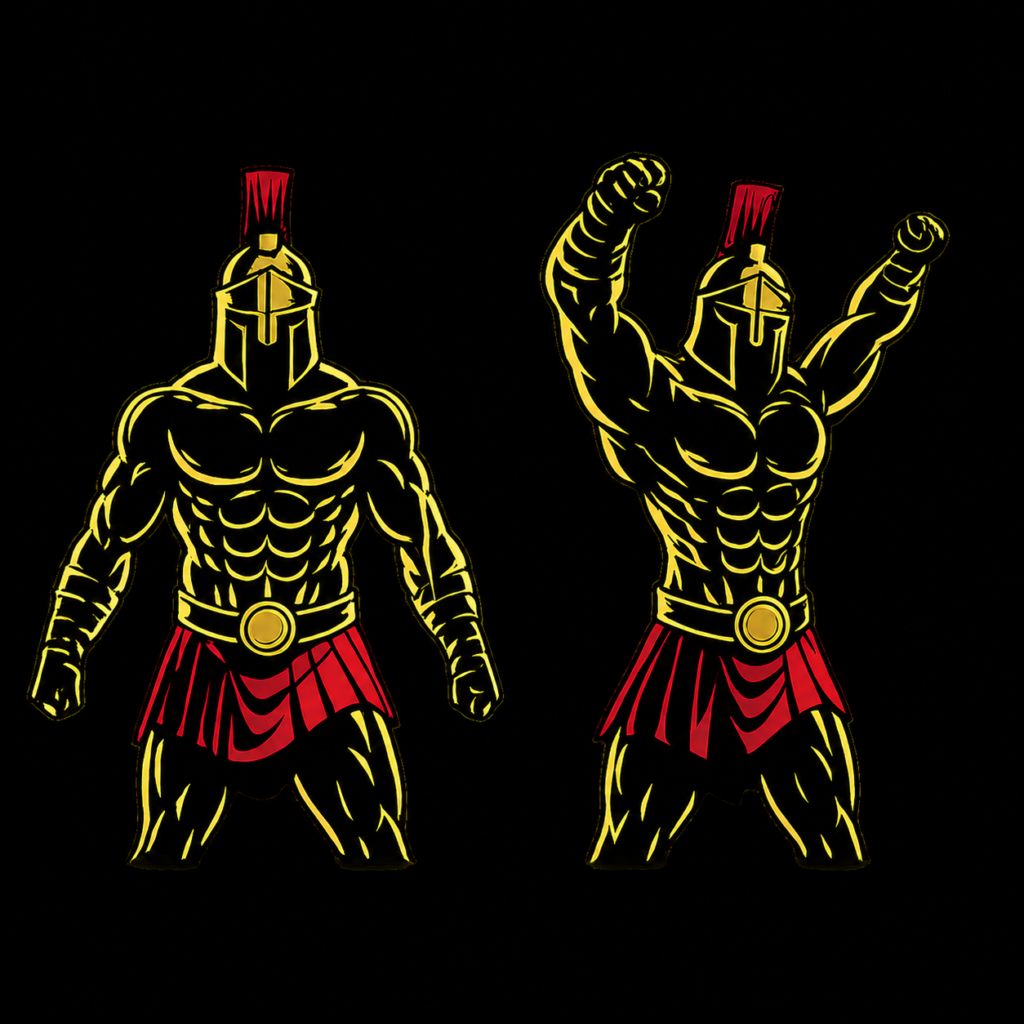
Warrior showcasing Hip Openers with proper form

Hip Opener Movement Breakdown

Understanding the movement phases will improve your form.

Lift Phase

  • Raise your knee toward your chest
  • Keep your posture upright
  • Engage your core for balance

Open Phase

  • Rotate your hip outward
  • Move your knee away from your body
  • Maintain control and stability

Return Phase

  • Lower your leg back to the starting position
  • Avoid dropping your leg quickly
  • Reset and repeat

Common Mistakes to Avoid

1. Moving Too Fast

Hip openers should be slow and controlled to activate the muscles properly.

2. Losing Balance

Use a wall or support if needed to maintain stability.

3. Not Lifting the Knee High Enough

Raise your knee properly to maximize hip activation.

4. Rotating the Entire Body

Focus on moving the hip joint, not twisting your torso.


Final Thoughts

Hip openers are one of the most effective dynamic exercises for improving hip mobility and flexibility. They activate key muscles, enhance movement quality, and prepare your body for intense physical activity.

By performing hip openers with proper form and control, you can reduce your risk of injury and improve your athletic performance. Learn more about Stretching Here.

Adding hip openers to your routine takes less than a minute, but it can significantly improve your overall training quality.


FAQ

Q1. How many hip openers should I do?

Most warm-up routines include 10–15 reps per leg for 2–3 sets.

Q2. Do hip openers improve flexibility?

Yes, hip openers increase hip flexibility and range of motion over time.

Q3. Should hip openers be done on both legs?

Yes, performing hip openers on both legs ensures balanced muscle activation and mobility.

Torso Twists: How to Do Them Properly (Step-by-Step Guide)

Torso twists help improve core activation, flexibility, and coordination, making them ideal before exercises like running, punching, throwing, and full-body workouts.


What Are Torso Twists?

Torso twists are a dynamic mobility exercise that involves rotating your upper body side to side to activate the core and improve spinal mobility.

They are commonly used in warm-ups for sports, calisthenics, martial arts, and military training because they prepare the body for rotational movements.

Since they require no equipment, torso twists are perfect for home workouts, warm-ups, and daily mobility routines.

Benefits of Torso Twists

Adding torso twists to your routine provides several key benefits.

1. Improves Core Mobility

Torso twists increase flexibility and range of motion in the spine.

2. Activates Core Muscles

They engage the obliques and abdominal muscles before workouts.

3. Enhances Athletic Performance

Rotational strength improves performance in sports like boxing, cricket, and martial arts.

4. Reduces Risk of Injury

Warming up the spine and core helps prevent strains during exercise.

5. Improves Coordination

Controlled twisting improves body awareness and movement control.

Muscles Worked During Torso Twists

Torso twists primarily target the core but also activate several supporting muscles.

Primary Muscles
  • Obliques (side abdominal muscles)
Secondary Muscles
  • Rectus abdominis (abs)
  • Lower back muscles
  • Hip stabilizers
  • Shoulders (light activation)

These muscles work together to stabilize and rotate the spine efficiently.


How to Do Torso Twists Properly

Step-by-Step Instructions

  1. Stand upright with your feet shoulder-width apart.
  2. Keep your knees slightly bent.
  3. Raise your arms to chest level or keep them relaxed at your sides.
  4. Engage your core muscles.
  5. Rotate your torso to one side.
  6. Return to the center and rotate to the opposite side.
  7. Continue alternating in a controlled and rhythmic motion.

Focus on smooth and controlled rotations, not fast or jerky movements.

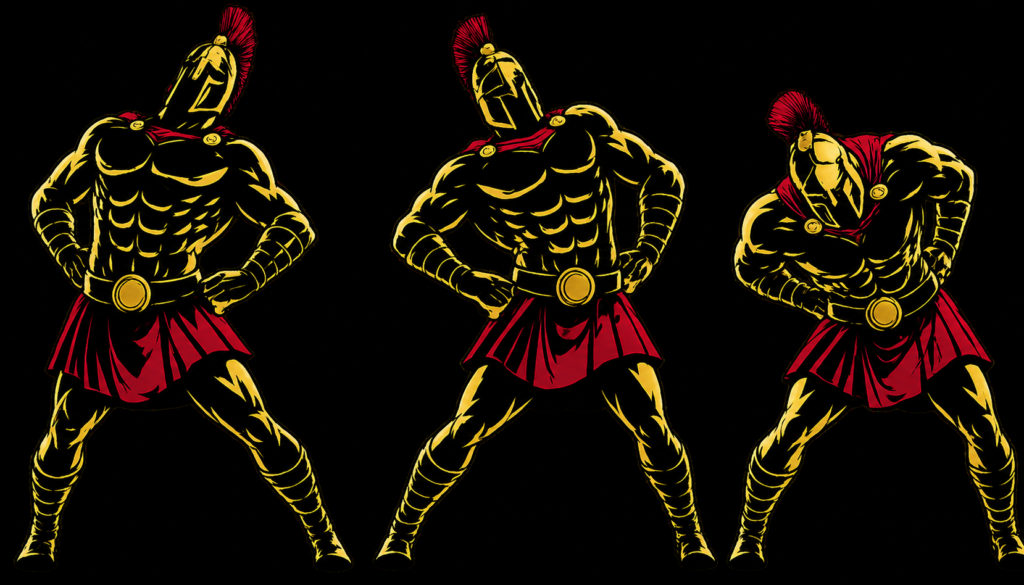
Warrior showcasing Torso Twists with proper form

Torso Twist Movement Breakdown

Understanding the movement helps improve your technique.

Rotation Phase

  • Rotate your upper body to one side
  • Keep your hips relatively stable
  • Engage your core throughout the movement

Return Phase

  • Bring your torso back to the center
  • Rotate to the opposite side
  • Maintain control and balance

Common Mistakes to Avoid

1. Twisting Too Fast

Perform torso twists slowly and with control to avoid strain.

2. Moving the Hips Too Much

Focus on rotating the upper body, not the entire body.

3. Over-rotating

Do not force your body beyond a comfortable range of motion.

4. Poor Posture

Keep your chest up and spine neutral throughout the movement.


Final Thoughts

Torso twists are a simple yet effective core mobility exercise that improves flexibility, activates the core, and prepares the body for movement.

By performing torso twists with proper form and control, you can enhance your mobility, reduce your risk of injury, and improve athletic performance. Learn more about Stretching Here.

Adding torso twists to your warm-up routine takes less than a minute, but it can significantly improve your overall training quality.


FAQ

Q1. How many torso twists should I do?

Most warm-up routines include 15–20 twists per side for 2–3 sets.

Q2. Should torso twists be done fast or slow?

Torso twists should be performed slowly and with control for maximum benefit.

Q3. Do torso twists improve flexibility?

Yes, torso twists increase spinal flexibility and range of motion.

Leg Swings (Front & Back): How to Do Them Properly (Step-by-Step Guide)

Leg swings are especially effective for preparing your body for movements like sprinting, squats, lunges, and jumping exercises. Since they require no equipment, they are ideal for home workouts and pre-training routines.


What Are Leg Swings?

Leg swings are a dynamic mobility exercise that involves swinging one leg forward and backward in a controlled motion to warm up the hip joints and surrounding muscles.

They are widely used in warm-ups for running, calisthenics, sports training, and military fitness routines because they help improve flexibility and activate the lower body.

Benefits of Leg Swings

Adding leg swings to your routine provides several key benefits.

1. Improves Hip Flexibility

Leg swings increase the range of motion in the hip joint.

2. Activates Lower Body Muscles

They prepare the glutes, hamstrings, and hip flexors for exercise.

3. Enhances Athletic Performance

Better hip mobility improves running, jumping, and kicking movements.

4. Reduces Risk of Injury

Dynamic movement helps prevent muscle strains during workouts.

5. Improves Balance and Coordination

Standing on one leg builds stability and control.

Muscles Worked

Leg swings activate several important lower-body muscles.

Primary Muscles
  • Hip flexors
  • Hamstrings
Secondary Muscles
  • Glutes
  • Quadriceps
  • Core muscles
  • Lower back stabilizers

These muscles work together to improve hip mobility, balance, and coordination.


How to Do Leg Swings Properly

Step-by-Step Instructions

  1. Stand upright next to a wall or support for balance.
  2. Place one hand on the support.
  3. Keep your chest up and core engaged.
  4. Shift your weight onto one leg.
  5. Begin swinging the opposite leg in a controlled motion.

Perform the movement smoothly without forcing the range of motion.

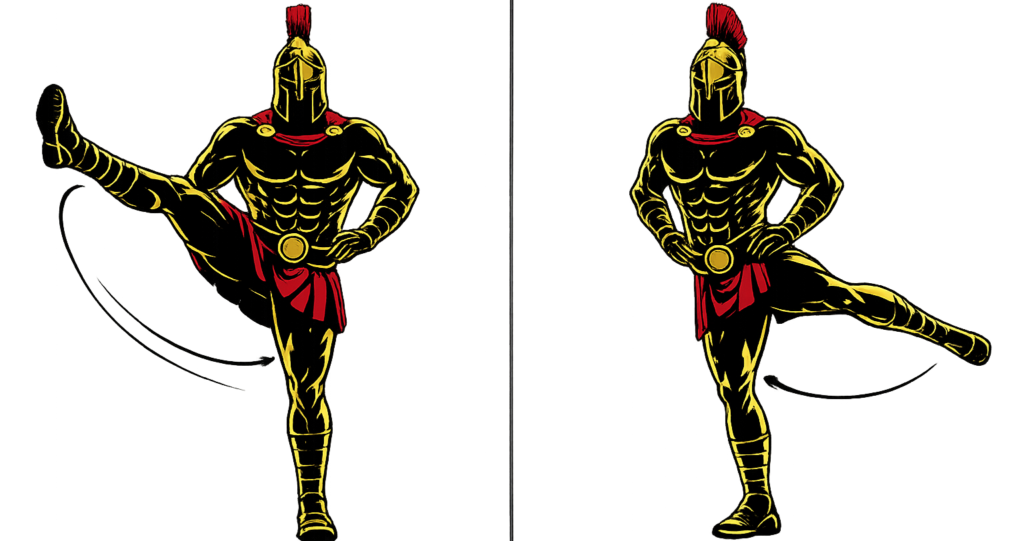
Warrior showcasing Leg Swings with proper form

Front and Back Leg Swings

Front and back leg swings are the most common variation and are essential for warming up the hips.

How to Do Front Leg Swings (Forward Phase)

  1. Swing your leg forward in front of your body.
  2. Keep your leg straight or slightly bent.
  3. Raise it to a comfortable height.
  4. Maintain balance and control.

Muscles Activated

  • Hip flexors
  • Quadriceps
  • Core muscles

How to Do Back Leg Swings (Backward Phase)

  1. Swing your leg backward behind your body.
  2. Keep your upper body stable.
  3. Avoid excessive arching of the lower back.
  4. Return smoothly to the starting position.

Muscles Activated

  • Glutes
  • Hamstrings
  • Lower back stabilizers

Common Mistakes to Avoid

1. Swinging Too Fast

Leg swings should be controlled, not rushed.

2. Using Momentum Instead of Muscle Control

Focus on muscle engagement, not just swinging the leg.

3. Leaning Too Far Forward or Backward

Keep your torso upright to maintain proper form.

4. Overextending the Leg

Do not force the range of motion beyond your flexibility.


Final Thoughts

Leg swings are one of the most effective dynamic warm-up exercises for the lower body. They improve hip mobility, activate key muscle groups, and prepare your body for intense physical activity.

By performing controlled front and back leg swings, you can increase flexibility, reduce injury risk, and enhance your overall performance. Learn more about Stretching Here.

Adding leg swings to your routine takes less than a minute, but it can significantly improve your workout quality.


FAQ

Q1. Should leg swings be done forward and backward?

Yes, performing leg swings in both directions ensures balanced muscle activation and better hip mobility.

Q2. Do leg swings improve flexibility?

Yes, leg swings increase hip flexibility and range of motion over time.

Q3. Do leg swings help prevent injuries?

Yes, leg swings help reduce injury risk by warming up muscles and improving joint mobility.

Jumping Jacks: How to Do Them Properly (Step-by-Step Guide)

Jumping jacks are commonly used in warm-ups, military training, sports conditioning, and calisthenics workouts because they quickly raise your heart rate and activate multiple muscle groups.


What Are Jumping Jacks?

Jumping jacks are a classic bodyweight exercise that combines cardio and full-body movement. The exercise involves jumping while spreading your legs and raising your arms overhead, then returning to the starting position.

Since they require no equipment, jumping jacks are perfect for home workouts, warm-ups, and conditioning routines.

Benefits of Jumping Jacks

Jumping jacks offer many fitness benefits when included in your routine.

1. Improves Cardiovascular Fitness

Jumping jacks quickly increase your heart rate, helping improve cardiovascular endurance.

2. Burns Calories

Because they involve continuous movement, jumping jacks help burn calories and support fat loss.

3. Activates the Entire Body

Jumping jacks engage both the upper and lower body, making them an efficient full-body exercise.

4. Improves Coordination

The synchronized movement of arms and legs improves body coordination.

5. Excellent Warm-Up Exercise

Jumping jacks prepare the body for intense workouts by increasing blood flow and muscle activation.

Muscles Worked During Jumping Jacks

Jumping jacks engage several muscle groups throughout the body.

Primary Muscles
  • Quadriceps
  • Glutes
  • Calves
Secondary Muscles
  • Deltoids (shoulders)
  • Hip abductors
  • Core muscles
  • Hamstrings

These muscles work together to produce explosive movement and maintain balance during the exercise.


How to Do Jumping Jacks Properly

Step-by-Step Instructions

  1. Stand upright with your feet together and arms resting by your sides.
  2. Slightly bend your knees and prepare to jump.
  3. Jump upward while spreading your legs shoulder-width apart.
  4. At the same time, raise your arms overhead until your hands nearly touch.
  5. Jump again to return to the starting position with your feet together and arms at your sides.
  6. Repeat the movement in a smooth and rhythmic motion.

Focus on controlled and consistent jumps rather than rushing the exercise.

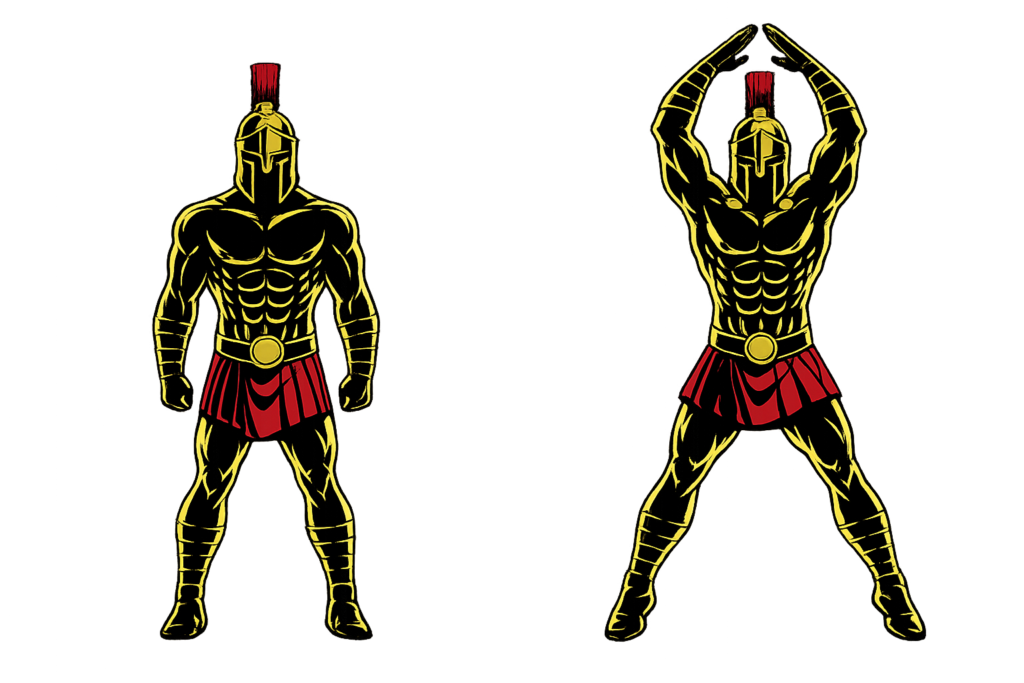
Warrior showcasing the proper way to do Jumping Jacks

Jumping Jack Movement Breakdown

Understanding the two phases of the movement can help improve your technique.

Expansion Phase

During this phase:

  • You jump and spread your legs outward
  • Your arms move upward above your head

This phase activates the shoulders, legs, and core muscles.

Return Phase

In this phase:

  • You jump again and bring your legs together
  • Your arms return to your sides

This completes one full repetition.


Common Mistakes to Avoid

1. Landing Too Hard

Land softly on the balls of your feet to reduce stress on your joints.

2. Poor Arm Movement

Raise your arms fully overhead instead of halfway.

3. Moving Too Fast

Maintain a steady rhythm rather than rushing the exercise.

4. Poor Posture

Keep your chest up and core engaged during the movement.


Final Thoughts

Jumping jacks are one of the most effective bodyweight exercises for improving cardiovascular fitness and warming up the entire body.

By performing jumping jacks with proper form and controlled movements, you can boost endurance, activate muscles, and prepare your body for more intense workouts. Learn more about Stretching Here.

Adding jumping jacks to your warm-up routine takes less than a minute, but it can significantly improve your workout performance.


FAQ

Q1. Do jumping jacks burn calories?

Yes, jumping jacks burn calories because they are a high-energy cardiovascular exercise.

Q2. Do jumping jacks improve endurance?

Yes, regular jumping jacks help improve cardiovascular endurance and stamina.

Q3. Can jumping jacks help with weight loss?

Yes, jumping jacks can support weight loss when combined with a balanced workout routine and a healthy diet.

Shoulder Rolls: How to Do Them Properly (Step-by-Step Guide)

Shoulder rolls improve shoulder mobility, posture, and muscle activation, making them an excellent exercise before workouts such as push-ups, pull-ups, dips, and overhead presses.


What Are Shoulder Rolls?

Shoulder rolls are a simple mobility exercise where you rotate your shoulders in circular motions to loosen the shoulder joints and activate surrounding muscles. They are commonly used in warm-ups for athletes, calisthenics training, martial arts, and military fitness routines because they help prepare the upper body for movement.

Since they require no equipment, shoulder rolls are perfect for home workouts, warm-ups, and daily mobility routines.

Benefits of Shoulder Rolls

Adding shoulder rolls to your routine provides several important benefits.

1. Improves Shoulder Mobility

Shoulder rolls loosen tight shoulder joints and increase the range of motion.

2. Reduces Muscle Tension

They help relieve tension in the shoulders and upper back, especially after long periods of sitting.

3. Improves Posture

Shoulder rolls activate the upper back muscles that help maintain proper posture.

4. Prepares the Upper Body for Exercise

They gently activate muscles used in exercises like push-ups, pull-ups, and overhead movements.

5. Helps Prevent Shoulder Injuries

Warming up the shoulder joints reduces the risk of strains during workouts.

Muscles Worked During Shoulder Rolls

Although shoulder rolls are mainly a mobility exercise, they activate several important upper-body muscles.

Primary Muscles
  • Trapezius (upper traps)
  • Deltoids (shoulder muscles)
Secondary Muscles
  • Rhomboids
  • Rotator cuff muscles
  • Upper back muscles
  • Neck stabilizers

These muscles help stabilize the shoulder joint and improve upper-body movement control.


How to Do Shoulder Rolls Properly

Step-by-Step Instructions

  1. Stand upright with your feet shoulder-width apart.
  2. Keep your arms relaxed by your sides.
  3. Lift your shoulders upward toward your ears.
  4. Roll your shoulders backward in a circular motion.
  5. Bring your shoulders down and back to the starting position.
  6. Repeat the motion slowly and smoothly.

Focus on controlled and full circular movements rather than fast or jerky motions.

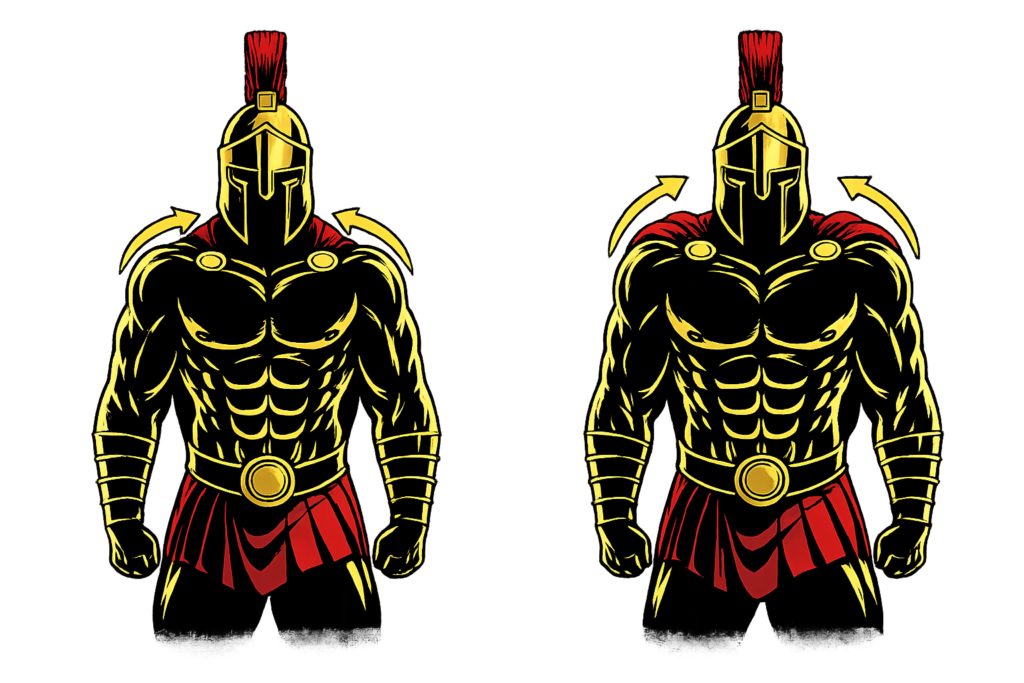
Warrior showcasing Shoulder Rolls

Shoulder Roll Directions

For balanced shoulder mobility, shoulder rolls should be performed in both directions.

Backward Shoulder Rolls

Backward shoulder rolls are the most common variation and are great for improving posture.

How to Perform Backward Shoulder Rolls

  1. Raise your shoulders toward your ears.
  2. Move them backward.
  3. Lower them down.
  4. Return to the starting position.

Muscles Activated

  • Trapezius
  • Rear deltoids
  • Upper back muscles

This variation helps open the chest and counteract poor posture.

Forward Shoulder Rolls

Forward shoulder rolls move the shoulders in the opposite direction.

How to Perform Forward Shoulder Rolls

  1. Lift your shoulders toward your ears.
  2. Roll them forward.
  3. Lower them down.
  4. Return to the starting position.

Muscles Activated

  • Front deltoids
  • Upper trapezius
  • Shoulder stabilizers

Forward rolls help improve overall shoulder joint mobility.


Common Mistakes to Avoid

1. Moving Too Fast

Shoulder rolls should be slow and controlled to mobilize the joints properly.

2. Using the Arms Instead of the Shoulders

Focus on moving only the shoulders, not swinging the arms.

3. Making Small Movements

Perform full circular shoulder movements for better mobility.

4. Tensing the Neck

Keep the neck relaxed to avoid unnecessary strain.


Final Thoughts

Shoulder rolls are one of the simplest yet most effective shoulder mobility exercises. By performing them regularly, you can improve shoulder flexibility, reduce muscle tension, and prepare your upper body for exercise. Learn more about Stretching Here.

Adding shoulder rolls to your warm-up routine takes less than a minute, but it can significantly improve shoulder health and training performance.


FAQ

Q1. How many shoulder rolls should I do?

Most warm-up routines include 10–15 shoulder rolls in each direction for 2–3 sets.

Q2. Should shoulder rolls be done forward and backward?

Yes, performing shoulder rolls in both directions helps evenly activate shoulder muscles and improve joint mobility.

Q3. Do shoulder rolls help posture?

Yes, shoulder rolls strengthen upper back muscles and help improve posture.

Hip Circles: How to Do Them Properly (Step-by-Step Guide)

Hip circles improve hip flexibility, joint mobility, and balance, making them an excellent warm-up before workouts such as squats, lunges, running, and jumping.


What Are Hip Circles?

Hip circles are a simple mobility exercise that involves rotating your hips in a circular motion to loosen the hip joints and activate surrounding muscles.

They are commonly used in warm-ups for athletes, calisthenics training, martial arts, and military fitness routines because they help prepare the lower body for movement.

Because they require no equipment, hip circles are ideal for home workouts, warm-ups, and mobility routines.

Benefits of Hip Circles

Hip circles provide several benefits when included in your warm-up routine.

1. Improves Hip Mobility

Hip circles loosen tight hip joints and increase the range of motion.

2. Activates Lower Body Muscles

They gently activate the glutes, core, and hip muscles before intense exercise.

3. Reduces Risk of Injury

Warming up the hips helps prevent muscle strains during running, jumping, and strength training.

4. Enhances Athletic Performance

Better hip mobility improves movements like squats, lunges, sprinting, and kicking.

5. Improves Balance and Coordination

Hip circles train the body to maintain balance while the hips move through different ranges of motion.

Muscles Worked During Hip Circles

Although hip circles are mainly a mobility exercise, they activate several important muscles in the lower body.

Primary Muscles
  • Hip flexors
  • Glutes (gluteus maximus and medius)
Secondary Muscles
  • Core muscles (abdominals and obliques)
  • Lower back muscles
  • Quadriceps
  • Hamstrings

These muscles work together to stabilize the pelvis and improve hip movement control.


How to Do Hip Circles Properly

Step-by-Step Instructions

  1. Stand upright with your feet shoulder-width apart.
  2. Place your hands on your hips for better control.
  3. Keep your chest up and core engaged.
  4. Slowly push your hips forward.
  5. Move your hips in a large circular motion to the side, then back, and then to the other side.
  6. Continue rotating smoothly to complete the circle.

Perform the movement slowly and with control, focusing on full hip rotation.

Warrior showcasing Hip Circles

Hip Circles Directions

To fully warm up the hips, perform circles in both directions.

Clockwise Hip Circles

  1. Push your hips forward.
  2. Move them toward the right side.
  3. Rotate them backward.
  4. Bring them toward the left side.
  5. Return to the starting position.

Repeat the circular motion smoothly.

Muscles Activated

  • Hip flexors
  • Glutes
  • Core stabilizers

Counterclockwise Hip Circles

Now reverse the direction of the movement.

  1. Push your hips forward.
  2. Move them toward the left side.
  3. Rotate them backward.
  4. Move them toward the right side.
  5. Return to the starting position.

This ensures balanced mobility in the hip joints.


Common Mistakes to Avoid

1. Moving Too Fast

Hip circles should be slow and controlled to mobilize the joints properly.

2. Using Only the Upper Body

Focus on moving the hips, not the shoulders.

3. Making Small Circles

Use large, controlled circles to maximize hip mobility.

4. Arching the Lower Back Too Much

Keep your core engaged to protect your lower back.


Final Thoughts

Hip circles are a simple but powerful mobility exercise that improves hip flexibility, activates lower-body muscles, and prepares the body for physical activity.By performing controlled hip circles in both directions, you can increase mobility, reduce injury risk, and enhance your overall training performance. Learn more about Stretching Here.

Adding hip circles to your warm-up routine takes less than a minute, but it can significantly improve your movement quality and athletic performance.


FAQ

Q1.Do hip circles improve hip mobility?

Yes, hip circles increase hip flexibility and range of motion by gently loosening the hip joints.

Q2.Should hip circles be done in both directions?

Yes, performing hip circles in both directions helps evenly activate the hip muscles and improve joint mobility.

Q3. Can beginners do hip circles?

Yes, hip circles are beginner-friendly because they are simple, low-impact, and require no equipment.

Arm Circles: How to Do Them Properly (Forward & Backward)

What Are Arm Circles?

Arm circles are a simple yet highly effective shoulder mobility and warm-up exercise. They involve rotating your arms in circular motions to activate the shoulder joints and surrounding muscles.

Athletes, calisthenics practitioners, and military trainees commonly use arm circles before workouts because they:

  • Improve shoulder mobility
  • Increase blood flow to upper body muscles
  • Reduce the risk of injury
  • Prepare the body for exercises like push-ups, pull-ups, and dips

Because they require no equipment, arm circles are perfect for home workouts, warm-ups, or mobility routines.

Benefits of Arm Circles

Adding arm circles to your routine provides several benefits:

1. Improves Shoulder Mobility

Arm circles help loosen tight shoulder joints and increase range of motion.

2. Activates Upper Body Muscles

They gently activate muscles used in exercises like push-ups, pull-ups, and overhead movements.

3. Reduces Injury Risk

Warming up the shoulder joint helps prevent strains and shoulder injuries.

4. Enhances Athletic Performance

Better shoulder mobility improves performance in sports, calisthenics, and strength training.

5. Perfect Warm-Up Exercise

Arm circles are one of the easiest ways to prepare your body before an upper-body workout.

Muscles Worked During Arm Circles

Although arm circles look simple, they activate several upper-body muscles:

Primary muscles worked

  • Shoulder muscles (deltoids)

Secondary muscles worked

  • Upper trapezius
  • Rotator cuff muscles
  • Upper chest (pectorals)
  • Upper back muscles

These muscles help stabilize the shoulder joint and improve overall shoulder endurance.


How to Do Arm Circles Properly

Step-by-Step Instructions

  1. Stand upright with your feet shoulder-width apart.
  2. Extend both arms straight out to the sides at shoulder height.
  3. Keep your arms straight but not locked.
  4. Engage your core and keep your chest up.
  5. Begin making small circles with your arms.

Once comfortable, gradually increase the size of the circles.

Perform both forward and backward directions for balanced shoulder activation.


Forward Arm Circles

Forward arm circles move your arms in a counter-clockwise circular motion.

How to Perform Forward Arm Circles

  1. Extend your arms sideways at shoulder height.
  2. Start making small circles moving forward.
  3. Gradually increase the size of the circles.
  4. Maintain controlled and smooth movements.
  5. Continue for 15–30 seconds.

Muscles Targeted

Forward arm circles primarily activate:

  • Rotator cuff muscles
  • Front deltoids
  • Upper chest

Backward Arm Circles

Backward arm circles move your arms in the reverse direction, activating different shoulder muscles.

How to Perform Backward Arm Circles

  1. Keep your arms extended at shoulder height.
  2. Start making small circles moving backward.
  3. Slowly increase the circle size.
  4. Maintain steady and controlled movement.
  5. Perform for 15–30 seconds.

Muscles Targeted

Backward arm circles emphasize:

  • Rear deltoids
  • Upper back muscles
  • Trapezius

This direction is particularly useful for improving posture and shoulder stability.


Common Mistakes to Avoid

1. Moving Too Fast

Arm circles should be controlled and smooth, not rushed.

2.Bending the Arms Too Much

Keep your arms mostly straight to properly engage the shoulders.

3.Shrugging the Shoulders

Relax your shoulders and avoid lifting them toward your ears.

4.Making Circles Too Large Too Quickly

Start with small circles, then gradually increase size.


Final Thoughts

Arm circles are one of the simplest yet most effective shoulder warm-up exercises. By performing both forward and backward arm circles, you can improve shoulder mobility, activate upper-body muscles, and reduce injury risk before workouts. Learn more about Stretching Here.

Adding arm circles to your daily routine takes less than a minute, but it can significantly improve your overall training performance.


FAQ

Q1. Are arm circles a good warm-up exercise?

Yes, arm circles are an excellent warm-up exercise that increases shoulder mobility and prepares the upper body for workouts.

Q2. How long should you do arm circles?

You should perform arm circles for about 15–30 seconds in each direction as part of a warm-up routine.

Q3. Should arm circles be done forward or backward?

Arm circles should be done both forward and backward to activate different shoulder muscles and improve joint mobility.