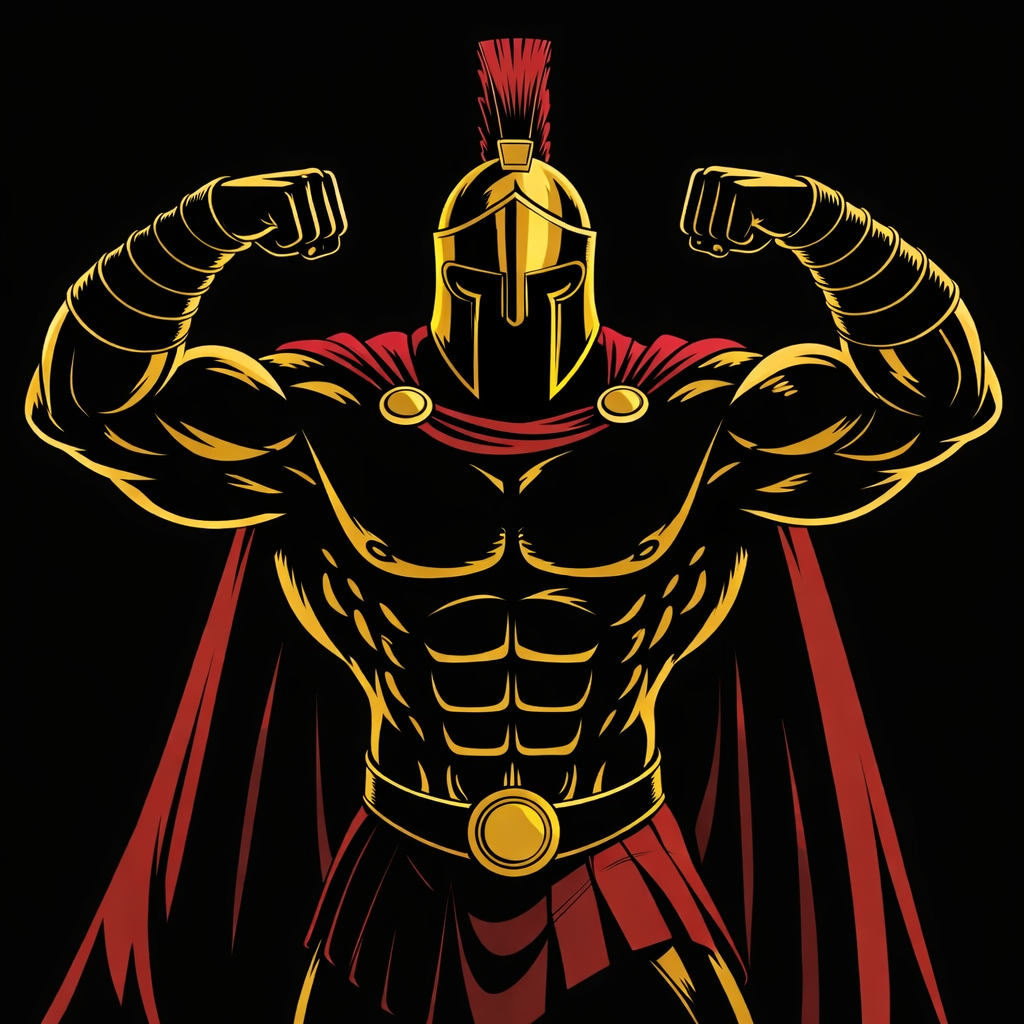
Push workouts are the foundation of upper-body strength, helping you build powerful chest, shoulders, and triceps while improving overall athletic performance. Every time you push your body away from the ground, press a weight overhead, or drive resistance away from your body, your pushing muscles are working together.
Whether your goal is building muscle, increasing upper-body power, improving sports performance, or preparing for military and calisthenics training, push workouts are an essential part of any balanced fitness program.
Unlike pull exercises, which strengthen the back and biceps, push workouts focus on the muscles responsible for pressing, extending the arms, and stabilizing the shoulders. Combined with pull and leg training, they create a strong, balanced, and functional physique.
Why Push Workouts Matter
Strong pushing muscles are used in countless daily activities and athletic movements. From pushing open heavy doors to lifting objects overhead or performing explosive sports movements, push strength plays a vital role in functional fitness.
Well-designed push workouts help develop pressing power while supporting healthy shoulder mechanics when balanced with adequate pulling exercises.
Push training is particularly beneficial for:
- Building upper-body strength
- Improving athletic performance
- Military and tactical fitness
- Calisthenics progression
- Everyday lifting and carrying tasks
- Developing a balanced physique
Benefits of Push Workouts
Consistent push training provides numerous physical and performance benefits.
Build a Strong Chest
Pressing exercises develop the pectoral muscles, increasing upper-body size, strength, and power.
Develop Powerful Shoulders
Push workouts strengthen all major shoulder-pressing muscles, improving stability and overhead performance.
Increase Arm Strength
The triceps are heavily involved in every pressing movement, helping improve lockout strength and overall arm development.
Improve Functional Strength
Push exercises mimic many real-world movements such as pushing heavy objects, standing up from the ground, and lifting overhead.
Enhance Athletic Performance
Powerful pushing muscles improve sprint starts, tackling, throwing, striking, and numerous sports-specific movements.
Support Joint Stability
Proper push training strengthens the muscles that stabilize the shoulders, reducing the risk of injury when combined with balanced pull training.
Muscles Worked During Push Workouts
Primary Muscles
- Pectoralis Major
- Anterior Deltoids
- Triceps Brachii
Secondary Muscles
- Lateral Deltoids
- Serratus Anterior
- Upper Chest (Clavicular Head)
- Rotator Cuff Muscles
- Core
- Obliques
These muscles work together to generate pressing strength, stabilize the shoulders, and transfer force throughout the upper body.
Equipment Needed
Push workouts can be performed almost anywhere using bodyweight or resistance training equipment.
Essential Equipment
- Push-Up Bars(Optional)
- Resistance Bands
- Dumbbells
- Barbell
- Adjustable Bench
Optional Equipment
- Dip Bars
- Gymnastic Rings
- Cable Machine
- Chest Press Machine
- Weighted Vest
- Wrist Wraps
Types of Push Exercises
Push workouts generally consist of two primary movement patterns.
Horizontal Pushing
These exercises involve pressing resistance directly away from the chest.
Examples
- Push-Ups
- Bench Press
- Dumbbell Chest Press
- Chest Flyes
- Ring Push-Ups
Benefits
- Builds chest strength
- Increases pressing power
- Improves upper-body muscle development
Vertical Pushing
These movements involve pressing weight overhead.
Examples
- Overhead Press
- Dumbbell Shoulder Press
- Pike Push-Ups
- Handstand Push-Ups
- Arnold Press
Benefits
- Develops shoulder strength
- Improves overhead stability
- Enhances athletic performance
Best Push Exercises
Bodyweight Push Exercises
- Push-Ups
- Incline Push-Ups
- Decline Push-Ups
- Diamond Push-Ups
- Pike Push-Ups
- Dips
- Wall Push-Ups
- Archer Push-Ups
Free Weight Push Exercises
- Barbell Bench Press
- Incline Bench Press
- Dumbbell Bench Press
- Overhead Press
- Dumbbell Shoulder Press
- Lateral Raises
- Triceps Extensions
Machine and Cable Push Exercises
- Cable Chest Fly
- Chest Press Machine
- Pec Deck Fly
- Cable Lateral Raise
- Machine Shoulder Press
- Cable Triceps Pushdown
Push Workout Recommendations
Beginner
Focus on learning proper pressing mechanics and building foundational strength.
Recommended exercises:
- Wall Push-Ups
- Incline Push-Ups
- Resistance Band Chest Press
- Dumbbell Shoulder Press
- Bench Dips
Train 2 times per week.
Intermediate
Increase exercise variety while improving strength and muscular endurance.
Recommended exercises:
- Standard Push-Ups
- Bench Press
- Dips
- Overhead Press
- Lateral Raises
- Diamond Push-Ups
Train 2–3 times per week.
Advanced
Use heavier resistance and more challenging bodyweight variations to maximize strength and power.
Recommended exercises:
- Weighted Push-Ups
- Handstand Push-Ups
- Weighted Dips
- Incline Bench Press
- Heavy Overhead Press
- Ring Dips
Train according to your workout split and recovery.
Common Push Workout Mistakes
Flaring the Elbows Too Wide
Excessively flared elbows place unnecessary stress on the shoulder joints and reduce pressing efficiency.
Using Too Much Weight
Lifting heavier than you can control often compromises technique and increases injury risk.
Skipping Full Range of Motion
Partial repetitions limit muscle development and reduce strength gains.
Poor Core Engagement
A weak or relaxed core reduces stability during pressing movements and may place extra stress on the lower back.
Neglecting Shoulder Mobility
Limited shoulder mobility can restrict movement quality and increase the risk of discomfort during pressing exercises.
Pro Training Tips
- Prioritize proper technique before increasing weight.
- Keep your core engaged throughout every pressing movement.
- Control both the lowering and lifting phases of each repetition.
- Balance every push workout with adequate pull training.
- Progress gradually using progressive overload.
- Warm up your shoulders before heavy pressing sessions.
- Allow at least 48 hours of recovery before training the same push muscles again.
Final Thoughts
Push workouts are essential for building upper-body strength, muscle, and athletic performance. They develop the pressing muscles needed for everyday activities, sports, military training, and calisthenics while improving overall stability and functional power.
Whether you prefer bodyweight exercises, free weights, resistance bands, or machines, consistently training your pushing muscles will help you build a stronger, more capable physique. Focus on proper technique, train through a full range of motion, and increase the challenge gradually as you become stronger.
Train with consistency, recover well, and build the strength of a true warrior.
Frequently Asked Questions
How often should I train push workouts?
Most people can train push muscles two to three times per week, depending on their goals, workout split, and recovery.
Are push-ups enough for building strength?
Push-ups are an excellent foundation, but combining them with exercises like dips, overhead presses, and bench presses provides more complete muscle development.
What muscles do push workouts target?
Push workouts primarily train the chest, shoulders, and triceps while also engaging the core and shoulder stabilizers.
Should beginners perform push workouts?
Yes. Beginners can start with wall push-ups, incline push-ups, and resistance band presses before progressing to more challenging exercises.
Can I train push and pull on the same day?
Yes. Many upper-body and push-pull workout programs combine both movement patterns to build balanced strength and improve recovery.
Comments are closed.