
Learn how to do muscle-ups with perfect form, avoid common mistakes, and discover the best progressions to build explosive upper-body strength and elite body control.
The muscle-up is one of the most iconic calisthenics exercises, combining a powerful pull-up with a dip transition into one explosive movement. Whether you are training for calisthenics, gymnastics, or athletic performance, mastering the muscle-up is a major achievement.
What Is a Muscle-Up?
A muscle-up is an advanced bodyweight exercise where you pull your body above a bar or rings and transition into a straight-arm support position.
This movement combines pulling strength, explosive power, coordination, and pushing strength.
Muscle-ups are commonly used in:
- Advanced calisthenics training
- Gymnastics conditioning
- Functional strength programs
- Athletic performance training
Unlike standard pull-ups, muscle-ups require explosive movement and advanced body control.
Benefits of Muscle-Ups
Muscle-ups are one of the most effective upper-body bodyweight exercises.
Benefits include:
- Builds explosive pulling strength
- Develops pushing and dipping power
- Improves coordination and athleticism
- Enhances grip and forearm strength
- Strengthens the core and shoulders
- Unlocks advanced calisthenics performance
Few exercises demonstrate upper-body power and control as effectively as muscle-ups.
Muscles Worked in Muscle-Ups
Muscle-ups activate multiple upper-body muscle groups simultaneously.
Primary Muscles
- Latissimus Dorsi (Lats)
- Chest (Pectorals)
- Triceps
Secondary Muscles
- Biceps
- Shoulders (Deltoids)
- Forearms and Grip Muscles
- Core Muscles
- Upper Back Muscles
This makes muscle-ups one of the best compound bodyweight exercises for upper-body development.
How to Do a Muscle-Up (Step-by-Step)
Step 1: Grip the Bar
Grab the pull-up bar using a slightly wider-than-shoulder-width grip.
- Thumbs wrapped around the bar
- Hands secure and tight
Tip: A false grip can make the transition easier for beginners.
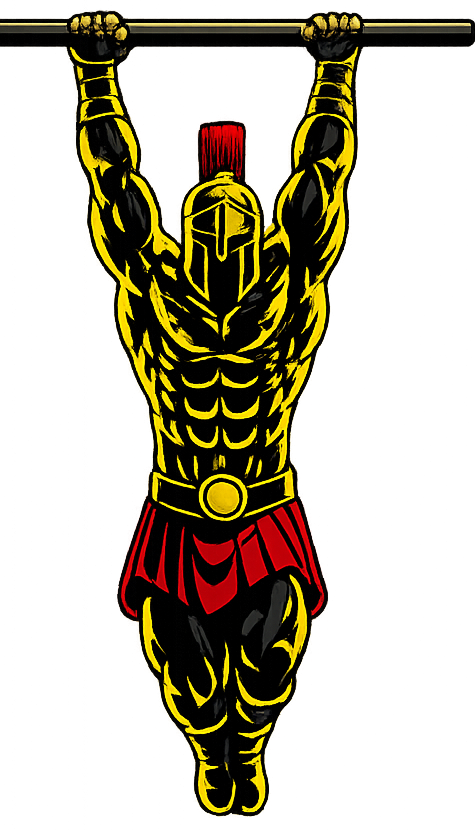
Step 2: Start With an Active Hang
Hang from the bar with your shoulders engaged.
- Core tight
- Legs controlled
- Avoid excessive swinging
Step 3: Pull Explosively
Pull yourself upward with maximum power.
- Drive elbows downward
- Pull chest toward the bar
- Aim to bring the bar toward your lower chest
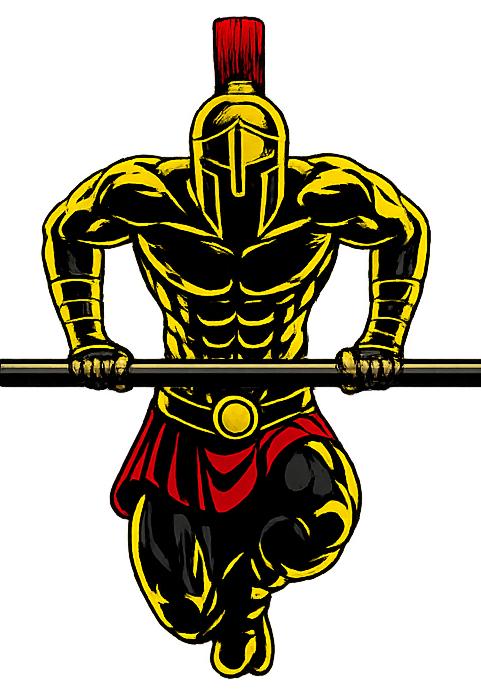
Step 4: Transition Over the Bar
As your chest reaches the bar:
- Lean your torso forward
- Rotate your wrists over the bar
- Move elbows above the bar quickly
This is the most technical phase of the muscle-up.
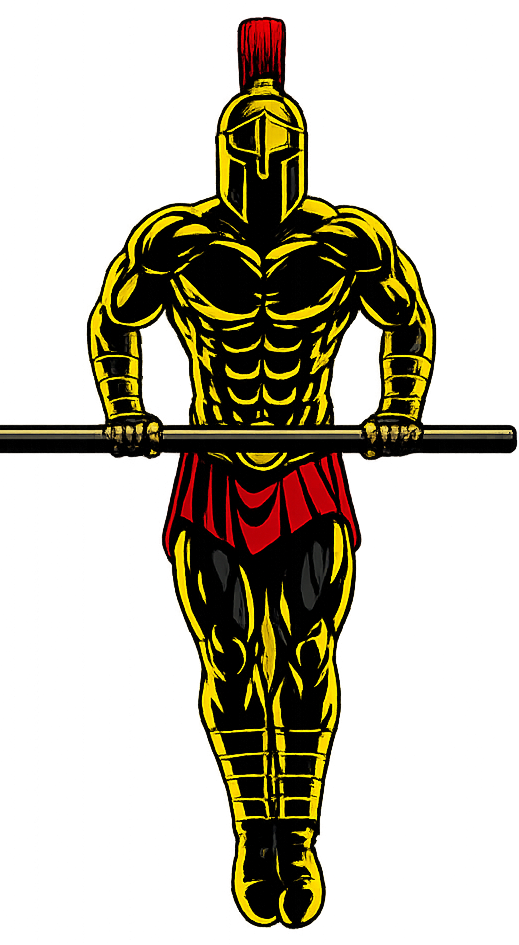
Step 5: Press to Lockout
Push yourself upward until your arms are fully straight.
- Stabilize at the top
- Keep shoulders engaged
- Lower yourself with control
Muscle-Up Form Checklist
Use this checklist to ensure proper form:
- Use explosive pulling power
- Keep your core engaged
- Transition quickly over the bar
- Maintain strong grip control
- Lower yourself with control
Perfect form builds strength safely and efficiently.
Common Muscle-Up Mistakes
Weak Pulling Strength
Problem: Prevents reaching the transition phase.
Fix: Build explosive pull-up strength first.
Pulling Too Vertically
Problem: Makes transition difficult.
Fix: Pull the bar toward your chest, not just upward.
Slow Transition
Problem: Causes failure at the midpoint.
Fix: Practice fast wrist and elbow turnover.
Excessive Swinging
Problem: Reduces control and efficiency.
Fix: Maintain tight body positioning.
Weak Dip Lockout
Problem: Prevents finishing the movement.
Fix: Strengthen bar dips and triceps.
Muscle-Up Progressions and Variations
The muscle-up requires multiple strength components. These progressions help beginners develop safely.
Explosive Pull-Ups
Builds upward pulling power.
How to Do Explosive Pull-Ups
- Pull upward as powerfully as possible
- Aim the chest toward the bar
- Lower with control
Chest-to-Bar Pull-Ups
Improves transition positioning.
How to Do Chest-to-Bar Pull-Ups
- Pull until your chest touches the bar
- Keep elbows driving backward
- Maintain strict form
Straight Bar Dips
Builds lockout strength.
How to Do Straight Bar Dips
- Support yourself above the bar
- Lower under control
- Press back upward fully
Band-Assisted Muscle-Ups
Helps beginners learn the movement pattern.
How to Do Band-Assisted Muscle-Ups
- Attach a resistance band to the bar
- Perform the movement with assistance
- Focus on the transition technique
Ring Muscle-Ups
An advanced variation requiring greater stability.
How to Do Ring Muscle-Ups
- Perform the movement on gymnastics rings
- Maintain shoulder control
- Stabilize throughout the transition
Final Thoughts
The muscle-up is one of the most elite calisthenics skills you can master.
It builds:
- Explosive upper-body strength
- Pulling and pushing power
- Grip endurance
- Coordination and body control
- Mental discipline
Progress may take time because muscle-ups require both strength and technique. However, every progression builds tremendous athletic ability and functional strength. Learn more about Calisthenics Skills here.
Focus on explosive movement and clean technique.
A warrior rises above the bar through power and discipline.
Muscle-Up FAQ
Q1: How many pull-ups should I have before learning muscle-ups?
Most people should aim for at least 10–15 strict pull-ups and strong bar dips before training muscle-ups seriously.
Q2: Are muscle-ups harder than pull-ups?
Yes, muscle-ups are significantly harder because they require explosive strength, coordination, and transition skill.
Q3: How often should I train muscle-ups?
You can train muscle-up progressions 2–4 times per week, depending on recovery and joint health.