
Learn how to do a lat stretch with perfect form, avoid common mistakes, and discover the best variations to improve upper-body mobility and flexibility.
The lat stretch is one of the most effective exercises for improving shoulder mobility, reducing upper-body tightness, and enhancing movement efficiency. Whether you are training for military fitness tests, calisthenics, or general fitness, mastering the lat stretch is essential.
What Is a Lat Stretch?
A lat stretch is a flexibility exercise designed to lengthen the latissimus dorsi muscles, commonly known as the lats, which are the large muscles along the sides of your back.
Tight lats can restrict shoulder movement, affect posture, and reduce athletic performance.
Lat stretches are commonly used in:
- Warm-up routines
- Cool-down sessions
- Mobility and flexibility training
- Recovery and injury prevention programs
Unlike strength exercises, lat stretches focus on mobility, flexibility, and muscle recovery.
Benefits of Lat Stretch
The lat stretch is essential for maintaining upper-body mobility and posture.
Benefits include:
- Improves shoulder and upper-back mobility
- Reduces muscle tightness and stiffness
- Enhances overhead movement
- Supports better posture
- Helps relieve upper-body tension
- Aids recovery after pull workouts
Few stretches are as effective for upper-back flexibility as the lat stretch.
Muscles Worked in Lat Stretch
Lat stretches target several upper-body muscles.
Primary Muscles
- Latissimus Dorsi (Lats)
Secondary Muscles
- Teres Major
- Rear Deltoids
- Triceps
- Upper Back Muscles
- Shoulder Stabilizers
This makes the lat stretch highly important for maintaining healthy shoulder function and mobility.
How to Do a Lat Stretch (Step-by-Step)
Step 1: Stand Near a Stable Surface
Stand facing a bench, wall, or sturdy object.
- Feet shoulder-width apart
- Core engaged
- Spine neutral
Tip: Use a stable surface to maintain balance and control.
Step 2: Place Your Hands Forward
Extend your arms and place your hands on the surface.
- Arms straight
- Hands shoulder-width apart
- Shoulders relaxed
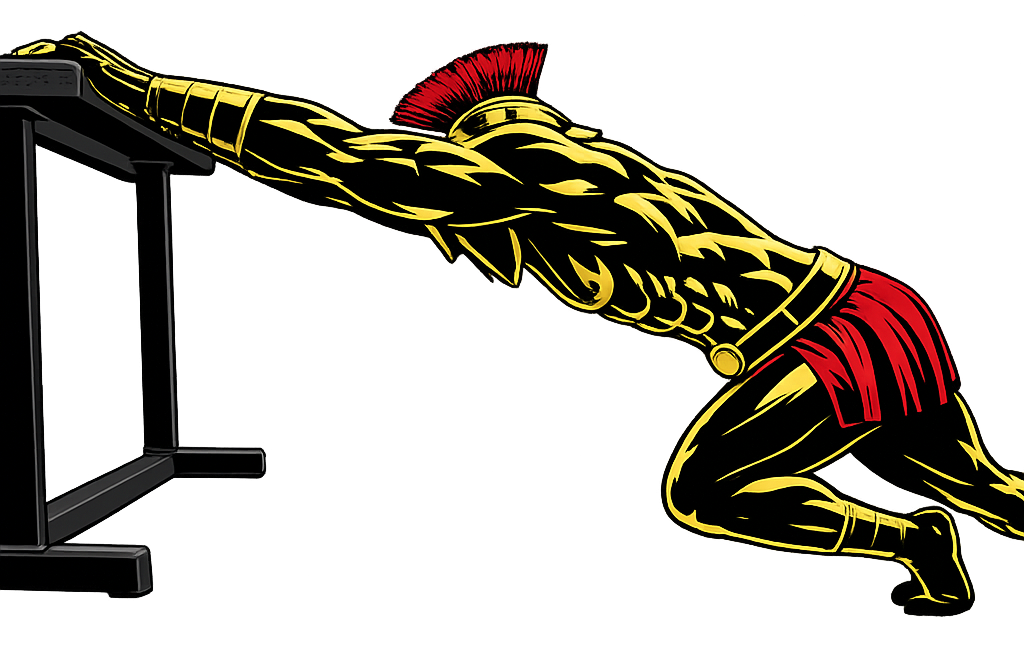
Step 3: Push Your Hips Back
Slowly push your hips backward while lowering your chest.
- Keep your back straight
- Feel the stretch along your sides and upper back
Step 4: Hold the Stretch
Maintain the stretch position:
- Hold for 15–30 seconds
- Breathe steadily
- Stay relaxed
Step 5: Return Slowly
Slowly return to the starting position with control.
Avoid jerking or rushing the movement.
Lat Stretch Form Checklist
Use this checklist to ensure proper form:
- Keep your arms straight
- Push your hips backward slowly
- Maintain a neutral spine
- Avoid shrugging your shoulders
- Breathe steadily throughout
Proper form improves flexibility and prevents injury.
Common Lat Stretch Mistakes
Rounding the Back
Problem: Reduces stretch effectiveness.
Fix: Keep your spine neutral throughout the movement.
Shrugging the Shoulders
Problem: Causes tension in the neck.
Fix: Keep shoulders relaxed and down.
Bending the Arms
Problem: Reduces lat engagement.
Fix: Keep your arms fully extended.
Overstretching
Problem: Can cause discomfort or strain.
Fix: Stretch only to a comfortable level.
Holding Breath
Problem: Increases muscle tension.
Fix: Maintain slow, controlled breathing.
Lat Stretch Variations
Once you master the basic lat stretch, these variations can improve mobility further.
Kneeling Lat Stretch
A deeper and more controlled variation.
How to Do Kneeling Lat Stretch
- Kneel on the ground
- Place your hands on a bench or chair
- Push your hips backward slowly
Wall Lat Stretch
Great for beginners and mobility work.
How to Do Wall Lat Stretch
- Place one hand on a wall
- Lean your body away
- Feel the stretch through the side of your back
Child’s Pose Lat Stretch
Targets both the lats and lower back.
How to Do Child’s Pose Lat Stretch
- Sit back onto your heels
- Extend your arms forward
- Lower your chest toward the floor
Resistance Band Lat Stretch
Adds controlled tension for deeper stretching.
How to Do Resistance Band Lat Stretch
- Hold a resistance band overhead
- Lean slightly backward or sideways
- Maintain tension throughout
Final Thoughts
The lat stretch is one of the most important mobility exercises you can master.
It improves:
- Shoulder mobility
- Upper-back flexibility
- Posture
- Recovery
- Athletic performance
Progress may feel gradual if your lats are tight. However, with consistent practice, your mobility and movement quality will improve significantly. Learn more about Stretching Here.
Focus on control and consistency.
A warrior maintains mobility — not just strength.
Lat Stretch FAQ
Q1: How long should I hold a lat stretch?
Hold each stretch for 15–30 seconds and repeat 2–3 times.
Q2: When should I do lat stretches?
Perform static stretches after workouts or during mobility sessions. Dynamic stretches are ideal before training.
Q3: Can lat stretches improve pull-up performance?
Yes, improving lat flexibility and shoulder mobility can enhance pulling mechanics and movement efficiency.