Learn how to do a pull-up with perfect form, avoid common mistakes, and discover the best pull-up variations to build real upper-body strength.
Pull-ups are one of the most effective bodyweight exercises for developing a strong back, powerful arms, and elite functional strength. Whether you are training for military fitness tests, calisthenics, or athletic performance, mastering the pull-up is essential.
What Is a Pull-Up?
A pull-up is a bodyweight exercise where you hang from a bar with your palms facing away from you, then pull your body upward until your chin clears the bar.
The pull-up is considered one of the best upper-body exercises because it trains multiple muscle groups at once while developing true body control.
Pull-ups are commonly used in:
- Military fitness tests
- Calisthenics training
- Strength and conditioning programs
- Athletic performance training
Unlike many gym machines, pull-ups build real-world strength that translates directly into athletic ability.
Benefits of Pull-Ups
Pull-ups are one of the most powerful exercises for building functional upper-body strength.
Benefits include:
- Builds a wide and powerful back
- Increases grip strength
- Improves posture and shoulder health
- Develops functional pulling strength
- Strengthens arms, shoulders, and core
- Essential for military and tactical fitness tests
Few exercises challenge the upper body as effectively as the pull-up.
Muscles Worked in Pull-Ups
Pull-ups activate several major upper-body muscle groups simultaneously.
Primary Muscles
- Latissimus Dorsi (Lats)
- Biceps Brachii
- Rhomboids
- Middle Trapezius
Secondary Muscles
- Rear Deltoids
- Forearms and Grip Muscles
- Lower Trapezius
- Teres Major
- Core Muscles (Abdominals and Obliques)
Because of this muscle activation, pull-ups are one of the best exercises for developing a strong V-shaped back.
How to Do a Pull-Up (Step-by-Step)
Step 1: Grip the Pull-Up Bar
Grab the bar with your palms facing away from you and hands about shoulder-width apart.
Tip: Squeeze the bar tightly to activate your forearms and upper back.
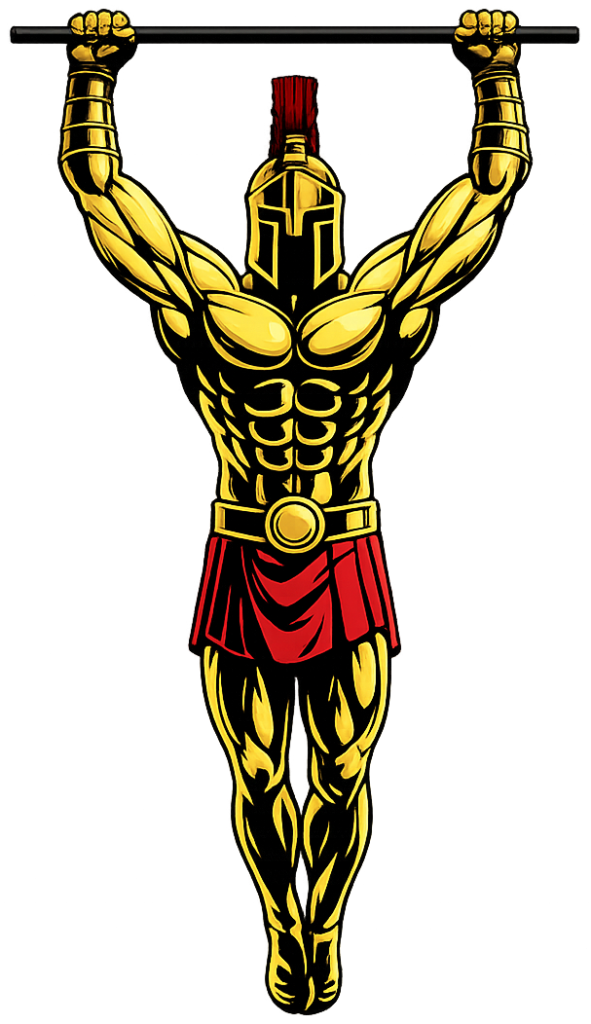
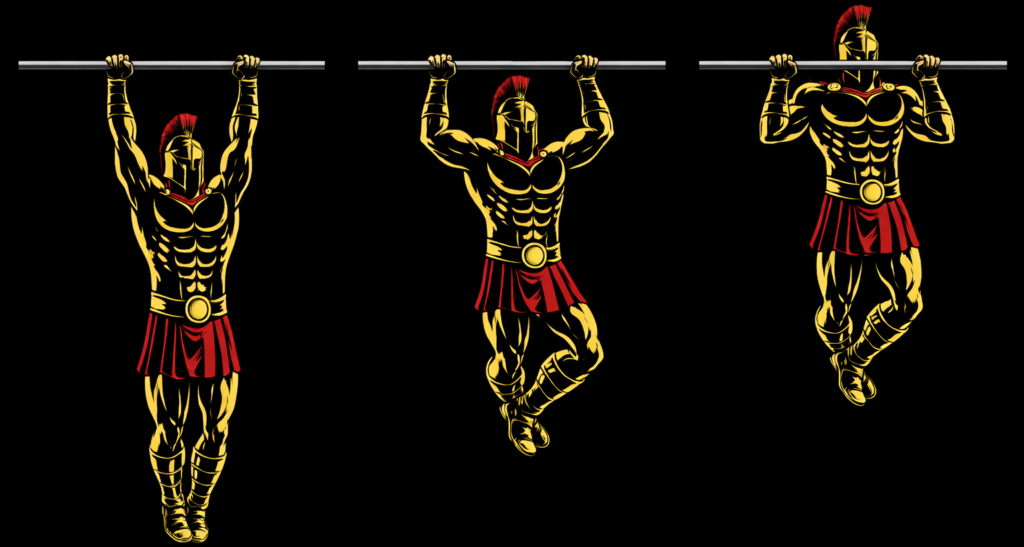
Step 2: Start in a Dead Hang
Begin from a full dead hang with:
- Arms fully extended
- Shoulders pulled slightly down
- Core tight
- Legs still with no swinging
This position ensures a full range of motion.
Step 3: Pull Your Chest Toward the Bar
Pull yourself upward by driving your elbows down and back.
Focus on pulling your chest toward the bar, not just lifting your chin.
Step 4: Chin Over the Bar
At the top of the pull-up:
- Chin clears the bar
- Chest stays open
- Core remains tight
Pause briefly to maintain control.
Step 5: Lower With Control
Slowly lower yourself back to the dead hang position.
Avoid dropping quickly. The negative portion of the pull-up builds significant strength.
Pull-Up Form Checklist
Use this quick checklist to ensure perfect pull-up form.
- Start from an active hang
- Keep your core tight and body straight
- Pull your chest toward the bar
- Use a full range of motion
- Control every rep
Perfect form builds strength faster and prevents injury.
Common Pull-Up Mistakes
Swinging or Kipping
Problem: Using momentum reduces strength development.
Fix: Keep your core tight and body stable during each rep.
Half Reps
Problem: Not fully extending the arms at the bottom.
Fix: Lower completely until arms are straight.
Pulling With Arms Only
Problem: Overusing the biceps.
Fix: Start each rep by pulling your shoulder blades down and back.
Rushing the Movement
Problem: Fast reps reduce muscle activation.
Fix: Use a controlled tempo:
- 1–2 seconds up
- 2–3 seconds down
Clean reps always beat high numbers.
Pull-Up Variations
Once you master the basic pull-up, different variations can help build strength, target new muscles, and increase difficulty.
Assisted Pull-Ups (Beginner Variation)
Assisted pull-ups help beginners build strength until they can perform strict pull-ups.
How to Do Assisted Pull-Ups
- Attach a resistance band to the bar
- Place your foot or knee inside the band
- Perform the pull-up while the band assists your upward movement
This is one of the best ways to progress toward your first strict pull-up.
Negative Pull-Ups (Eccentric Reps)
Negative reps focus on the lowering (eccentric) phase of the pull-up, which is one of the most effective ways to build strength if you can’t yet perform full reps.
How to Do Negative Pull-Ups
- Jump or step up to the top position with your chin above the bar
- Hold briefly, then lower yourself as slowly as possible
- Reset and repeat, maintaining control on every descent
Negative pull-ups are one of the fastest ways to build the strength needed for your first strict pull-up and improve overall control.
Chin-Ups
Chin-ups are similar to pull-ups but use an underhand grip, which increases bicep involvement.
How to Do Chin-Ups
- Grab the bar with palms facing toward you
- Pull your chest upward while keeping your elbows close to your body
- Lower yourself slowly back to the dead hang
Chin-ups are often easier for beginners and great for building pulling strength.
Wide-Grip Pull-Ups
Wide-grip pull-ups emphasize the lats and upper back, helping build a wider back.
How to Do Wide-Grip Pull-Ups
- Grip the bar wider than shoulder width
- Pull your chest upward while keeping your body straight
- Lower yourself slowly with full control
This variation reduces bicep assistance and increases lat activation.
Close-Grip Pull-Ups
Close-grip pull-ups place more emphasis on the arms and lower lats.
How to Do Close-Grip Pull-Ups
- Grab the bar with hands closer than shoulder width
- Pull upward while keeping elbows close to your torso
- Lower slowly back to the starting position
Final Thoughts
The pull-up is one of the most powerful bodyweight strength exercises you can master.
It builds:
- Back strength
- Arm strength
- Grip strength
- Core stability
- Functional athletic power
Progress may feel slow at first, especially for beginners. However, with consistent training, proper form, and progressive variations, your pull-up strength will steadily improve. One clean rep is always better than ten sloppy ones. Learn more about Pull Workouts here.
Focus on quality repetitions, full range of motion, and controlled movement.
A warrior lifts his body with control — never with shortcuts.
Essential Gear for Pull-Ups
Using the right equipment can make pull-up training safer, more effective, and easier to progress from your first repetition to advanced variations.
- Pull-Up Bar: The most essential piece of equipment for performing pull-ups. Choose a sturdy doorway, wall-mounted, or freestanding pull-up bar that can safely support your body weight.
- Resistance Bands: Perfect for assisted pull-ups, helping beginners build the strength and confidence needed to perform unassisted repetitions with proper form.
- Gymnastics Rings: Provide a more natural hand position than a fixed bar, reducing wrist strain while improving shoulder stability and grip strength.
- Weighted Vest or Dip Belt: Ideal for advanced athletes who want to increase resistance and continue building upper-body strength once bodyweight pull-ups become easier.
- Gym Chalk or Liquid Chalk: Improves grip by reducing moisture on your hands, helping you maintain a secure hold during high-repetition sets and longer training sessions.
Pull-Up FAQ
Q1: How many pull-ups should a beginner aim for?
Most beginners start with 0–3 pull-ups. Focus on assisted pull-ups, dead hangs, and negatives. With consistent training, reaching 5–8 clean reps is a solid early goal.
Q2: Are pull-ups better than lat pulldowns?
Pull-ups are generally more effective because they train real bodyweight strength, grip, and core stability. Lat pulldowns can help beginners build strength, but pull-ups offer superior functional carryover.
Q3: How often should I do pull-ups to improve?
You can train Pull-ups 2–4 times per week, depending on recovery. Avoid daily max-effort attempts; instead, use submaximal sets and proper rest to build strength safely.
Comments are closed.