Learn how to do an active hang with perfect form, avoid common mistakes, and discover the best active hang variations to build stronger shoulders, improve grip strength, and develop the foundation for pull-ups, muscle-ups, and advanced calisthenics skills.
The active hang is one of the most important foundational exercises in calisthenics. While it may look similar to a dead hang, the active hang requires you to engage your shoulders and upper back throughout the movement. This develops the scapular strength and stability needed for safe, powerful pulling exercises.
Whether you’re training for pull-ups, climbing, gymnastics, or military fitness, mastering the active hang is essential.
What Is an Active Hang?
An active hang is a bodyweight exercise where you hang from a pull-up bar with your arms fully extended while actively depressing and slightly retracting your shoulder blades. Unlike a dead hang, your shoulders remain engaged rather than relaxed.
This creates a stable shoulder position and strengthens the muscles responsible for controlling your scapulae during pulling movements.
Active hangs are commonly used in:
- Pull-up progression programs
- Calisthenics training
- Gymnastics strength development
- Climbing preparation
- Shoulder stability routines
The active hang serves as the bridge between a passive dead hang and the first phase of a pull-up.
Benefits of Active Hangs
Active hangs are one of the best exercises for developing healthy, strong shoulders.
Benefits include:
- Improves shoulder stability
- Strengthens the scapular muscles
- Builds grip strength and endurance
- Enhances pull-up performance
- Reduces shoulder instability during pulling exercises
- Improves body awareness and control
Few exercises prepare your shoulders for pull-ups as effectively as active hangs.
Muscles Worked in Active Hangs
Active hangs activate numerous muscles throughout the upper body.
Primary Muscles
- Latissimus Dorsi
- Lower Trapezius
- Serratus Anterior
Secondary Muscles
- Rhomboids
- Rotator Cuff Muscles
- Forearm Flexors
- Biceps
- Rear Deltoids
- Core Muscles
Because of this muscle activation, active hangs are one of the best exercises for developing shoulder control and pulling strength.
How to Do an Active Hang (Step-by-Step)
Step 1: Grip the Pull-Up Bar
Grab the pull-up bar with:
- Hands slightly wider than shoulder-width apart
- Overhand grip
- Thumbs wrapped securely around the bar
Allow your body to hang with your arms fully extended.
Tip: Begin in a dead hang before activating your shoulders.
Step 2: Engage Your Core
Before activating your shoulders:
- Brace your abdominal muscles
- Keep your legs together
- Point your toes slightly downward
- Keep your neck neutral
Avoid excessive swinging.
Step 3: Activate Your Shoulders
Without bending your elbows:
- Pull your shoulder blades downward
- Slightly draw your shoulder blades together
- Lift your body just a few centimeters
Your arms should remain completely straight.
This small movement is driven entirely by your shoulder blades—not your elbows.
Step 4: Hold the Position
Maintain the active hang by:
- Keeping your shoulders depressed
- Maintaining straight elbows
- Breathing steadily
- Staying completely controlled
Hold for the desired amount of time.
Step 5: Return to a Dead Hang
Slowly relax your shoulder muscles.
Allow:
- Your shoulders to elevate naturally
- Your body to return to a passive dead hang
Repeat for the desired number of repetitions or hold duration.
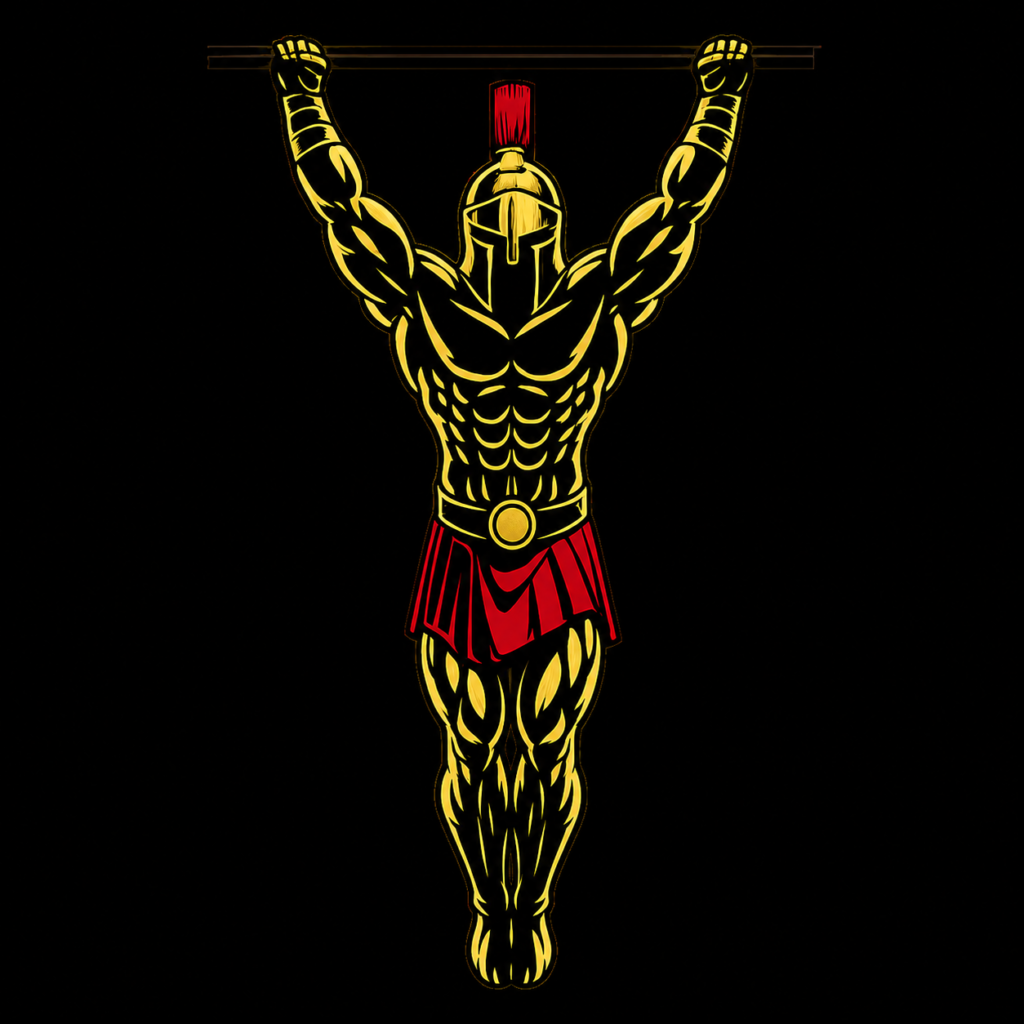
Active Hang Form Checklist
Use this quick checklist to ensure perfect active hang form.
- Keep your elbows completely straight
- Pull your shoulders down away from your ears
- Brace your core
- Avoid swinging
- Maintain smooth, controlled breathing
Perfect form develops stronger shoulders and safer pulling mechanics.
Common Active Hang Mistakes
Bending the Elbows
Problem: Turns the exercise into the beginning of a pull-up.
Fix: Keep your elbows fully locked throughout the movement.
Shrugging the Shoulders
Problem: Reduces scapular engagement.
Fix: Actively pull your shoulders away from your ears.
Using Momentum
Problem: Reduces muscle activation.
Fix: Perform slow, controlled shoulder movements without swinging.
Holding Your Breath
Problem: Increases unnecessary tension.
Fix: Breathe naturally throughout each hold.
Activating Too Aggressively
Problem: Causes excessive tension and poor mechanics.
Fix: Lift your body only slightly by engaging your shoulder blades, not by pulling with your arms.
Small, controlled movements develop stronger shoulders than exaggerated ones.
Active Hang Variations
Once you master the standard active hang, these progressions can further improve your pulling strength.
Dead Hangs
The easiest progression.
How to Do Dead Hangs
- Hang with your arms fully extended
- Allow your shoulders to relax naturally
- Hold for time
This variation develops grip strength and shoulder mobility.
Scapular Pull-Ups
Builds scapular strength dynamically.
How to Do Scapular Pull-Ups
- Begin in an active hang
- Lower into a dead hang
- Pull your shoulders down again without bending your elbows
- Repeat for repetitions
This variation strengthens the initial phase of every pull-up.
Active Hang Shoulder Taps
Improves shoulder stability.
How to Do Active Hang Shoulder Taps
- Hold an active hang
- Briefly release one hand to touch your shoulder if your strength allows
- Re-grip the bar and repeat on the opposite side
This advanced variation develops exceptional shoulder control.
Weighted Active Hangs
The most challenging progression.
How to Do Weighted Active Hangs
- Wear a weighted vest or attach weight using a dip belt
- Perform a strict active hang
- Maintain shoulder engagement throughout
This variation develops elite scapular strength and pulling stability.
Final Thoughts
The active hang is one of the most overlooked yet essential exercises in calisthenics.
It builds:
- Shoulder stability
- Scapular control
- Grip strength
- Pull-up readiness
- Joint resilience
Although the movement is small, its impact on your pulling strength is enormous. Mastering the active hang will improve nearly every upper-body pulling exercise you perform. Learn more about Pull Workouts here.
Focus on controlled shoulder movement, straight elbows, and consistent practice.
A warrior’s pull begins long before the first repetition—it begins with complete control of the shoulders.
Active Hang FAQ
Q1: What is the difference between an active hang and a dead hang?
A dead hang allows your shoulders to relax and elevate naturally, while an active hang keeps your shoulder blades depressed and slightly retracted. Dead hangs primarily improve grip strength and shoulder mobility, whereas active hangs develop shoulder stability and prepare you for pull-ups.
Q2: Should my elbows bend during an active hang?
No. Your elbows should remain fully extended throughout the exercise. The movement comes entirely from your shoulder blades, not your arms.
Q3: How long should beginners hold an active hang?
Most beginners should aim for 10-20 seconds per set for 2-4 sets. As your shoulder strength improves, gradually increase your hold time to 30-60 seconds while maintaining perfect form.