
Learn how to do a shoulder press correctly with this beginner-friendly step-by-step guide. Build strong shoulders, increase upper-body power, and improve pressing strength with proper form.
What is a Shoulder Press?
The shoulder press is a fundamental upper-body exercise that targets the shoulders, triceps, and upper chest. It involves pressing a weight overhead from shoulder level until your arms are fully extended.
This movement is essential for building upper-body strength, improving stability, and developing powerful shoulders. Whether performed with dumbbells, a barbell, or resistance bands, the shoulder press is a key exercise for athletes, lifters, and military fitness preparation.
Benefits of Shoulder Press
- Builds strong and defined shoulders
- Increases upper-body pushing strength
- Improves shoulder stability and control
- Strengthens triceps and upper chest
- Enhances athletic performance
- Can be done with various equipment or bodyweight
Muscles Worked
Primary Muscles
- Shoulders (Deltoids – especially anterior and lateral)
- Triceps
Secondary Muscles
- Upper chest
- Trapezius
- Core (stabilization)
- Serratus anterior
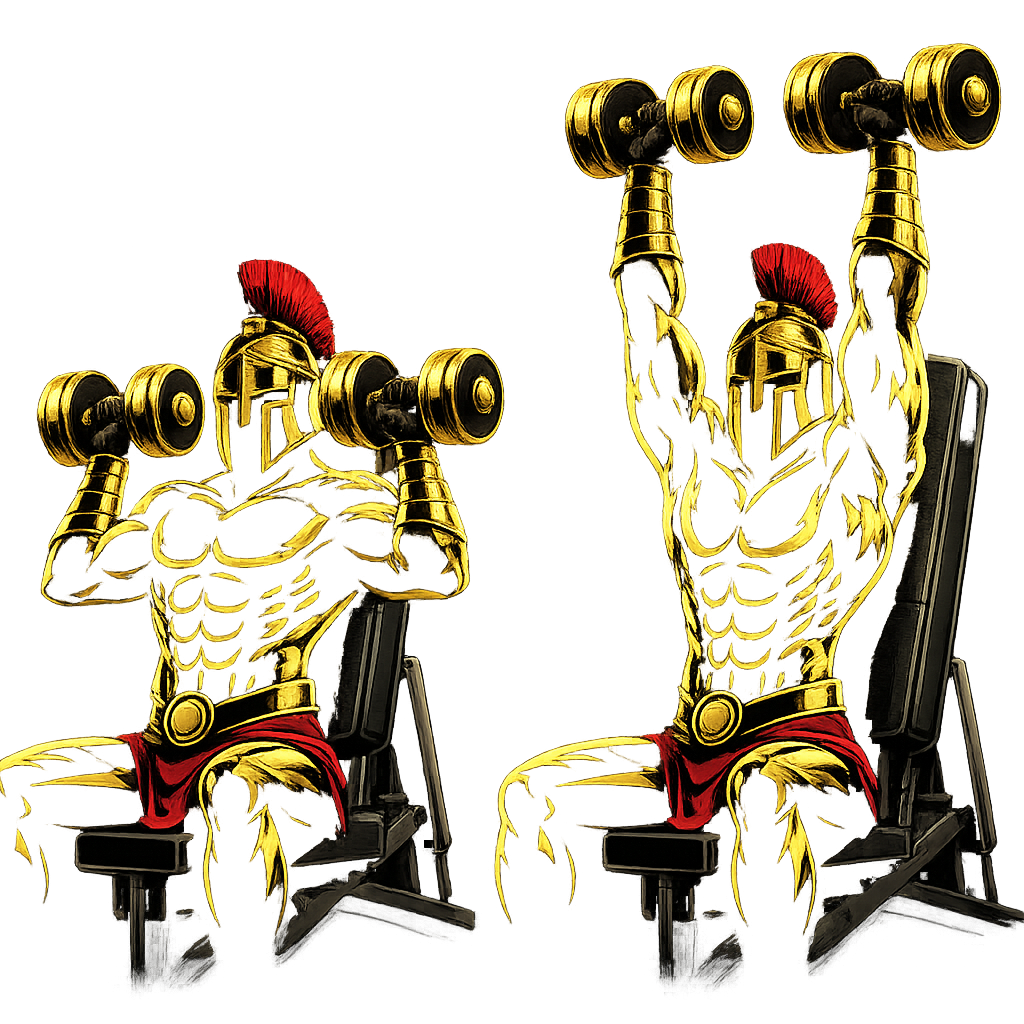
Step-by-Step: How to Do a Shoulder Press Properly
Step 1: Starting Position
- Stand or sit upright
- Hold weights at shoulder level
- Palms facing forward (or slightly inward)
- Keep core tight and chest up
Step 2: Brace and Align
- Engage your core
- Keep your back neutral (avoid arching)
- Keep your elbows slightly in front of your body
- Look straight ahead
Step 3: Press Overhead
- Push the weight upward in a straight line
- Extend your arms fully at the top
- Keep wrists stacked over elbows
- Do not lock your elbows aggressively
Step 4: Lower with Control
- Slowly lower the weight back to shoulder level
- Maintain control throughout the movement
- Keep tension in your shoulders
- Prepare for the next rep
Proper Form Checklist
- Keep your core tight throughout
- Avoid excessive lower back arch
- Press in a straight vertical path
- Control both lifting and lowering phases
- Keep wrists neutral
- Elbows slightly forward, not flared
Common Shoulder Press Mistakes (And How to Fix Them)
❌ Arching the Lower Back
Fix: Tighten your core and squeeze your glutes to stay stable.
❌ Pressing Too Far Forward or Backward
Fix: Keep the weight moving in a straight vertical line.
❌ Using Too Much Weight
Fix: Lower the load and focus on clean reps.
❌ Flaring Elbows Too Wide
Fix: Keep your elbows slightly in front of your body.
❌ Incomplete Range of Motion
Fix: Lower fully to shoulder level and press to near lockout.
Shoulder Press Variations
Dumbbell Shoulder Press
- Hold a dumbbell in each hand at shoulder level
- Press both weights overhead until your arms extend
- Lower slowly back to the starting position
Barbell Shoulder Press
- Grip the bar slightly wider than shoulder-width
- Press the bar straight overhead from shoulder level
- Lower under control back to your upper chest
Resistance Band Shoulder Press
- Stand on the band with feet shoulder-width apart
- Hold the band handles at shoulder height
- Press upward and control the return
Seated Shoulder Press
- Sit upright on a bench with back support
- Press weights overhead without leaning back
- Keep your core engaged and movement controlled
Beginner Shoulder Press Progressions
If you’re new, start with:
- Light dumbbells or resistance bands
- Seated shoulder press (more stability)
- Higher reps (10–15) with perfect form
To make it harder:
- Increase weight gradually
- Perform standing presses (more core engagement)
- Add pauses at the top
- Slow down the tempo
Final Thoughts
The shoulder press is one of the best exercises for building strong, powerful shoulders. It improves upper-body strength, stability, and overall performance.
Focus on proper form, controlled movement, and gradual progression. Don’t chase heavyweight — master the basics first. Strength is built with discipline and consistency. Learn more about Push Workouts here.
Train like a warrior, and your shoulders will follow.
FAQ
Q1: Is the shoulder press better than lateral raises?
Both are important. Shoulder press builds overall strength, while lateral raises isolate the side delts.
Q2: Should I do shoulder press standing or seated?
Standing builds more core stability, while seated allows better control.
Q3: Why does my lower back hurt during shoulder press?
This usually happens due to arching. Engage your core and reduce the weight.