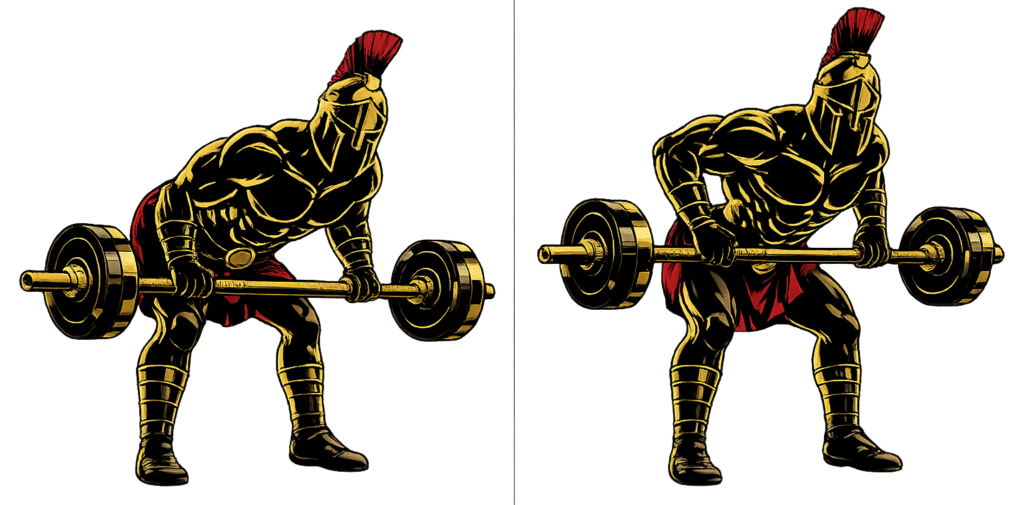
How to Do a Pull-Up Correctly: Step-by-Step Guide for Beginners

Learn how to do a pull-up with perfect form, avoid common mistakes, and discover the best pull-up variations to build real upper-body strength.

Pull-ups are one of the most effective bodyweight exercises for developing a strong back, powerful arms, and elite functional strength. Whether you are training for military fitness tests, calisthenics, or athletic performance, mastering the pull-up is essential.


What Is a Pull-Up?

A pull-up is a bodyweight exercise where you hang from a bar with your palms facing away from you, then pull your body upward until your chin clears the bar.

The pull-up is considered one of the best upper-body exercises because it trains multiple muscle groups at once while developing true body control.

Pull-ups are commonly used in:

  • Military fitness tests
  • Calisthenics training
  • Strength and conditioning programs
  • Athletic performance training

Unlike many gym machines, pull-ups build real-world strength that translates directly into athletic ability.

Benefits of Pull-Ups

Pull-ups are one of the most powerful exercises for building functional upper-body strength.

Benefits include:

• Builds a wide and powerful back
• Increases grip strength
• Improves posture and shoulder health
• Develops functional pulling strength
• Strengthens arms, shoulders, and core
• Essential for military and tactical fitness tests

Few exercises challenge the upper body as effectively as the pull-up.

Muscles Worked in Pull-Ups

Pull-ups activate several major upper-body muscle groups simultaneously.

Primary Muscles

• Latissimus Dorsi (Lats)
• Biceps Brachii
• Rhomboids
• Middle Trapezius

Secondary Muscles

• Rear Deltoids
• Forearms and Grip Muscles
• Lower Trapezius
• Teres Major
• Core Muscles (Abdominals and Obliques)

Because of this muscle activation, pull-ups are one of the best exercises for developing a strong V-shaped back.


How to Do a Pull-Up (Step-by-Step)

Step 1: Grip the Pull-Up Bar

Grab the bar with your palms facing away from you and hands about shoulder-width apart.

Tip: Squeeze the bar tightly to activate your forearms and upper back.

Step 2: Start in a Dead Hang

Begin from a full dead hang with:

• Arms fully extended
• Shoulders pulled slightly down
• Core tight
• Legs still with no swinging

This position ensures a full range of motion.

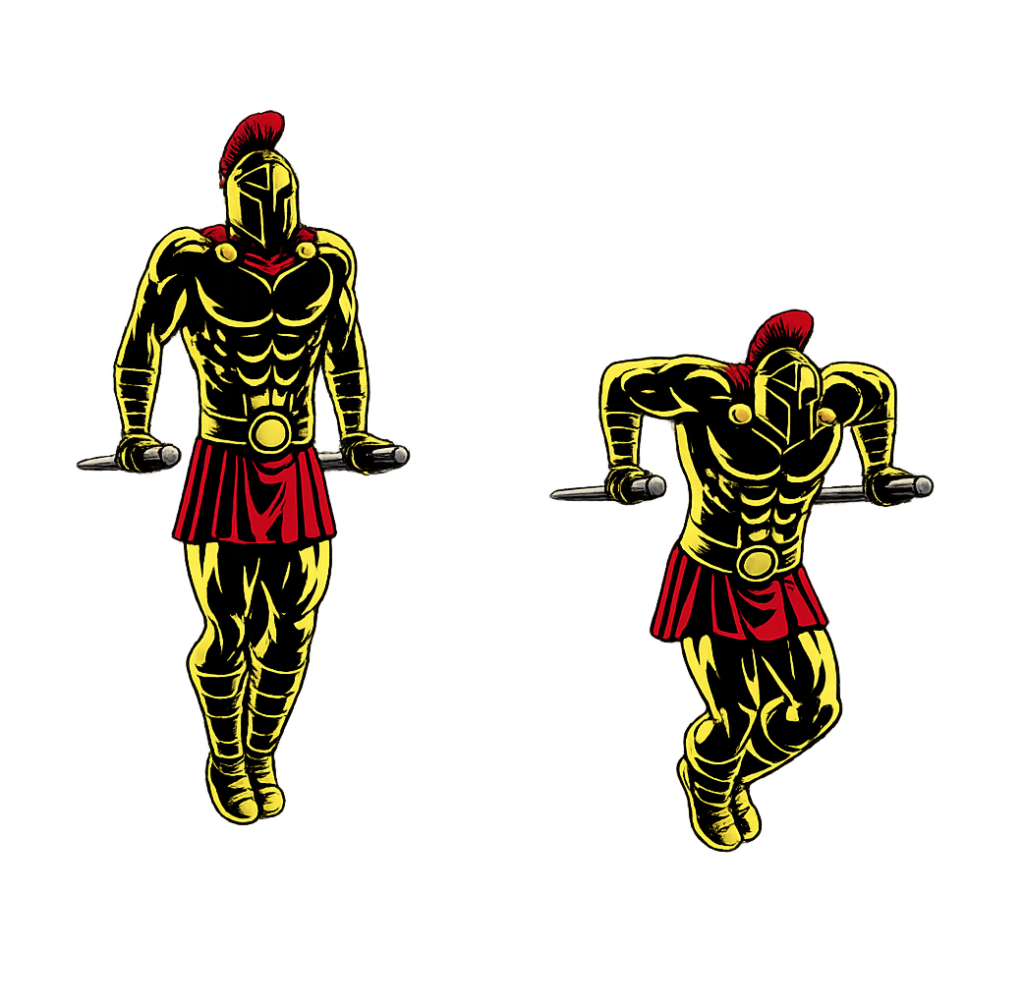
Warrior showing How to do a Pull-Up

Step 3: Pull Your Chest Toward the Bar

Pull yourself upward by driving your elbows down and back.

Focus on pulling your chest toward the bar, not just lifting your chin.

Step 4: Chin Over the Bar

At the top of the pull-up:

• Chin clears the bar
• Chest stays open
• Core remains tight

Pause briefly to maintain control.

Warrior Showcasing How to do a Pull-up Progressively

Step 5: Lower With Control

Slowly lower yourself back to the dead hang position.

Avoid dropping quickly. The negative portion of the pull-up builds significant strength.


Pull-Up Form Checklist

Use this quick checklist to ensure perfect pull-up form.

  • Start from an active hang
  • Keep your core tight and body straight
  • Pull your chest toward the bar
  • Use a full range of motion
  • Control every rep

Perfect form builds strength faster and prevents injury.


Common Pull-Up Mistakes

Swinging or Kipping

Problem: Using momentum reduces strength development.

Fix: Keep your core tight and body stable during each rep.

Half Reps

Problem: Not fully extending the arms at the bottom.

Fix: Lower completely until arms are straight.

Pulling With Arms Only

Problem: Overusing the biceps.

Fix: Start each rep by pulling your shoulder blades down and back.

Rushing the Movement

Problem: Fast reps reduce muscle activation.

Fix: Use a controlled tempo:

• 1–2 seconds up
• 2–3 seconds down

Clean reps always beat high numbers.


Pull-Up Variations

Once you master the basic pull-up, different variations can help build strength, target new muscles, and increase difficulty.

Chin-Ups

Chin-ups are similar to pull-ups but use an underhand grip, which increases bicep involvement.

How to Do Chin-Ups

• Grab the bar with palms facing toward you
• Pull your chest upward while keeping your elbows close to your body
• Lower yourself slowly back to the dead hang

Chin-ups are often easier for beginners and great for building pulling strength.

Wide-Grip Pull-Ups

Wide-grip pull-ups emphasize the lats and upper back, helping build a wider back.

How to Do Wide-Grip Pull-Ups

• Grip the bar wider than shoulder width
• Pull your chest upward while keeping your body straight
• Lower yourself slowly with full control

This variation reduces bicep assistance and increases lat activation.

Close-Grip Pull-Ups

Close-grip pull-ups place more emphasis on the arms and lower lats.

How to Do Close-Grip Pull-Ups

• Grab the bar with hands closer than shoulder width
• Pull upward while keeping elbows close to your torso
• Lower slowly back to the starting position

Assisted Pull-Ups (Beginner Variation)

Assisted pull-ups help beginners build strength until they can perform strict pull-ups.

How to Do Assisted Pull-Ups

• Attach a resistance band to the bar
• Place your foot or knee inside the band
• Perform the pull-up while the band assists your upward movement

This is one of the best ways to progress toward your first strict pull-up.


Final Thoughts

The pull-up is one of the most powerful bodyweight strength exercises you can master.

It builds:

• Back strength
• Arm strength
• Grip strength
• Core stability
• Functional athletic power

Progress may feel slow at first, especially for beginners. However, with consistent training, proper form, and progressive variations, your pull-up strength will steadily improve. One clean rep is always better than ten sloppy ones. Learn more about Pull Workoutshere.

Focus on quality repetitions, full range of motion, and controlled movement.

A warrior lifts his body with control — never with shortcuts.


Pull-Up FAQ

Q1: How many pull-ups should a beginner aim for? Most beginners start with 0–3 pull-ups. Focus on assisted pull-ups, dead hangs, and negatives. With consistent training, reaching 5–8 clean reps is a solid early goal.

Q2: Are pull-ups better than lat pulldowns? Pull-ups are generally more effective because they train real bodyweight strength, grip, and core stability. Lat pulldowns can help beginners build strength, but pull-ups offer superior functional carryover.

Q3: How often should I do pull-ups to improve? You can train Pull-ups 2–4 times per week, depending on recovery. Avoid daily max-effort attempts; instead, use sub-maximal sets and proper rest to build strength safely.

How to Do a Push-Up Correctly: Step-by-Step Guide for Beginners

Learn how to do a push-up with perfect form, avoid common mistakes, and discover the best push-up variations to build real upper-body strength.

The push-up is one of the most effective bodyweight exercises ever created. It builds strength in the chest, shoulders, triceps, and core while improving endurance and full-body stability.

Whether you’re training for military fitness tests, calisthenics, or general strength, mastering the push-up is a fundamental step in building functional power.


What Is a Push-Up?

A push-up is a classic bodyweight exercise in which you lower your body toward the ground and push back up while maintaining a straight plank position.

Push-ups train multiple muscle groups simultaneously and require no equipment, making them one of the most accessible strength exercises.

They are widely used in:

  • Military fitness training
  • Calisthenics programs
  • Athletic conditioning
  • Home workouts

Although push-ups appear simple, proper push-up form is essential. Many beginners struggle not because of weakness, but because of incorrect technique.

Learning proper push-up form will help you build strength faster, prevent injury, and progress to more advanced variations.

Remember: Form builds muscle, not reps.


Benefits of Push-Ups

Push-ups are a foundational exercise for developing upper-body strength and endurance.

Key benefits include:

• Builds chest, shoulder, and triceps strength
• Improves posture and shoulder stability
• Strengthens the core and lower back
• Requires no equipment
• Can be performed anywhere
• Develops functional upper-body power

Because of their effectiveness, push-ups are a core exercise in military and tactical fitness training.

Muscles Worked in Push-Ups

Push-ups train multiple upper-body and core muscles at once.

Primary Muscles

• Chest (Pectoralis Major)
• Shoulders (Anterior Deltoids)
• Triceps

Secondary Muscles

• Core (Abdominals and Obliques)
• Lower Back
• Glutes
• Serratus Anterior

This makes push-ups one of the best compound bodyweight exercises for building total upper-body strength.


How to Do a Push-Up Correctly (Step-by-Step)

Step 1: Get Into the Starting Position

Place your hands slightly wider than shoulder-width apart.

• Fingers pointing forward
• Feet together or slightly apart
• Body in a straight line from head to heels

Imagine your body forming a solid plank.

Warrior Showcasing How to do a Push-Up properly

Step 2: Brace Your Core

Before lowering your body:

• Tighten your abdominal muscles
• Squeeze your glutes
• Keep your spine neutral

A strong core prevents your hips from sagging or rising.

Step 3: Lower Your Body

Bend your elbows and lower your chest toward the floor.

• Keep elbows at a 30–45° angle
• Maintain a straight body line
• Keep your neck neutral

Lower until your chest is just above the floor.

Warrior showing How to do a Push-Up progressively

Step 4: Push Back Up

Push through your palms and extend your arms.

• Keep your body straight
• Engage your chest and triceps
• Lock out your arms at the top

This completes one perfect push-up repetition.


Push-Up Proper Form Checklist

Use this checklist to ensure perfect push-up technique.

  • Maintain a straight body line
  • Keep your core and glutes tight
  • Lower your chest close to the floor
  • Keep elbows slightly tucked
  • Move with controlled tempo

Quality always beats quantity.


Common Push-Up Mistakes (And How to Fix Them)

Sagging Hips

Problem: Weak core causes hips to drop.

Fix: Tighten your abs and glutes to maintain a plank position.

Flared Elbows

Problem: Elbows pointing outward increases shoulder stress.

Fix: Keep elbows at 30–45° from your torso.

Half Reps

Problem: Not lowering fully reduces muscle activation.

Fix: Lower until your chest is just above the ground.

Dropping the Head

Problem: Looking upward strains the neck.

Fix: Keep your neck neutral and gaze slightly forward.

Rushing the Movement

Problem: Fast reps reduce strength development.

Fix: Use a controlled tempo:

• 2 seconds down
• 1 second up


Push-Up Variations

Once you master the basic push-up, different variations can help you build strength and target different muscle groups.

Knee Push-Ups (Beginner)

Knee push-ups reduce bodyweight load and are perfect for beginners.

How to Do Knee Push-Ups

• Start in a push-up position with knees on the ground
• Keep your body straight from knees to head
• Lower your chest and push back up

Incline Push-Ups

Incline push-ups reduce difficulty by elevating your hands.

How to Do Incline Push-Ups

• Place hands on a bench, chair, or wall
• Keep your body straight
• Lower your chest toward the surface and push back up

This variation is excellent for beginners and for building strength.

Decline Push-Ups

Decline push-ups increase difficulty and emphasize the upper chest and shoulders.

How to Do Decline Push-Ups

• Place your feet on a bench or elevated surface
• Hands remain on the floor
• Lower your chest and push back up

Diamond Push-Ups

Diamond push-ups focus heavily on the triceps.

How to Do Diamond Push-Ups

• Place hands close together, forming a diamond shape
• Keep elbows close to your body
• Lower your chest and push upward

Wide Push-Ups

Wide push-ups increase chest activation.

How to Do Wide Push-Ups

• Place hands wider than shoulder-width
• Lower your chest while keeping your body straight
• Push back up with control

Weighted Push-Ups

Weighted push-ups are an advanced push-up variation that increases resistance by adding extra weight to your back. This variation builds greater chest, shoulder, and triceps strength while improving core stability.

How to Do Weighted Push-Ups

• Place a weighted backpack or weight plate securely on your upper back.
• Perform a standard push-up while keeping your core tight and body in a straight line.
• Lower your chest close to the floor, then push back up with full control.

Explosive Push-Ups

Explosive push-ups develop power and athletic performance.

How to Do Explosive Push-Ups

• Lower your chest toward the floor
• Push upward as fast as possible
• Hands may briefly leave the ground


Final Thoughts

The push-up is one of the most effective bodyweight exercises for building upper-body strength, endurance, and core stability.

With proper form and consistent practice, push-ups will strengthen:

• Chest
• Shoulders
• Triceps
• Core

Progress takes time, but small improvements in technique and strength add up quickly.

Focus on clean repetitions, full range of motion, and disciplined training.

Master the push-up, and you build the foundation for advanced calisthenics and true functional strength.


FAQ

Q1. How many push-ups should a beginner do?
Start with 2–3 sets of 8–12 reps, focusing on proper form rather than high numbers.

Q2. Can I do push-ups every day?
Yes, but beginners should train them 3–5 times per week and allow rest if muscles feel overly sore.

Q3. What if I can’t do a full push-up yet?
Begin with incline push-ups or knee push-ups and gradually progress to full push-ups as your strength improves.