Beginner Army Fitness Test Preparation Plan (At-Home)

Starting your military fitness journey can feel overwhelming, especially if you are new to training or returning after a long break. This Beginner Army Fitness Test Preparation Plan is designed to help build the foundational strength, endurance, stamina, and discipline needed for military-style fitness tests worldwide.

This program focuses on gradual progression using bodyweight exercises, running improvement, core training, and mobility work to safely prepare beginners for the physical demands of Army fitness assessments.

Whether your goal is military preparation, police testing, tactical fitness, or simply building a stronger body and mindset, this plan provides a realistic starting point.

Click on any exercise to know How to do it.


What Is an Army Fitness Test Preparation Program?

An Army Fitness Preparation Program is designed to improve the physical abilities commonly tested in military fitness assessments worldwide, including:

  • Push-ups
  • Running endurance
  • Core strength
  • Pulling strength
  • Lower-body endurance
  • Stamina and conditioning

This beginner-friendly version focuses on safe progression and consistency instead of extreme intensity.

Benefits of a Beginner Army Fitness Preparation Plan

  • Builds foundational strength and endurance
  • Improves cardiovascular fitness
  • Increases push-up and core performance
  • Helps beginners lose fat and improve conditioning
  • Enhances mobility and flexibility
  • Develops discipline and consistency
  • Prepares the body for advanced military-style training

Equipment Needed

This is an at-home bodyweight-focused program requiring minimal equipment. (Click on the links to go to the recommended articles)

No gym membership is required.


Weekly Training Structure

Option 1 – 3 Day Beginner Split

  • Monday – Upper Body + Core
  • Wednesday – Lower Body + Running
  • Friday – Full Body Conditioning

Option 2 – 4 Day Beginner Split

  • Monday – Upper Body
  • Tuesday – Walking/Jogging
  • Thursday – Lower Body + Core
  • Saturday – Conditioning + Endurance

This structure allows proper recovery while gradually improving overall fitness.


Pre-Workout Stretch & Warm-Up Routine

Perform this warm-up before every workout (5–8 minutes).

This warm-up improves blood flow, mobility, and injury prevention.


Monday – Upper Body + Core

Main Workout

Rest 60–90 seconds between sets.

Core Finisher


Wednesday – Lower Body + Running

Main Workout

Rest 60–90 seconds between sets.

Running Session

Choose one option based on your fitness level.

Beginner Option

  • Walk 2 minutes
  • Jog 1 minute
  • Repeat for 15–20 minutes

Improving Option

  • Jog continuously for 10–15 minutes

The goal is to gradually improve endurance without overtraining.


Friday – Full Body Conditioning

Conditioning Circuit

Complete 3 rounds:

Rest 1–2 minutes between rounds.

Optional Finisher

  • Light Jog or Fast Walk – 10–15 minutes

This workout improves stamina, conditioning, and overall work capacity.


Optional Saturday – Endurance & Mobility Day

This optional session helps improve recovery and aerobic endurance.

Endurance Work

Choose ONE:

  • 20–30 minute brisk walk
  • Easy jog
  • Cycling
  • Hiking

Mobility Routine

Keep intensity light and recovery-focused.


Post-Workout Stretch Routine

Perform each stretch for 30 seconds after workouts.

Stretching improves flexibility, mobility, and recovery.


Beginner Army Fitness Training Tips

  • Focus on consistency before intensity
  • Prioritize proper exercise form
  • Gradually increase reps and running time
  • Stay hydrated throughout the day
  • Get quality sleep for recovery
  • Avoid comparing yourself to advanced athletes
  • Track your weekly improvements

Little progress every week leads to major results over time.


Beginner Fitness Goals

These are excellent beginner targets after 8–12 weeks of training:

  • Push-Ups: 20–30 reps
  • Pull-Ups: 3–5 reps
  • Plank Hold: 60+ seconds
  • Jogging: 1–2 miles continuously
  • Improved energy and stamina

Military standards vary globally, but building these fundamentals creates a strong tactical fitness base.


Final Thoughts

This Beginner Army Fitness Test Preparation Plan is designed to help new trainees safely build the strength, endurance, stamina, and confidence needed for military-style fitness tests.

By focusing on gradual progression, bodyweight strength, conditioning, mobility, and recovery, beginners can steadily transform their fitness while reducing injury risk.

Stay patient, stay disciplined, and keep training like a warrior.
    How to Do a Lower Back Stretch Correctly: Step-by-Step Guide for Beginners

    Learn how to do a lower back stretch with perfect form, avoid common mistakes, and discover the best variations to improve mobility and reduce tension.

    The lower back stretch is one of the most effective exercises for relieving tightness, improving spinal mobility, and supporting healthy posture. Whether you are training for military fitness tests, calisthenics, or general fitness, mastering the lower back stretch is essential.


    What Is a Lower Back Stretch?

    A lower back stretch is a flexibility exercise designed to reduce tension and improve mobility in the muscles surrounding the lumbar spine.

    Tight lower back muscles can limit movement, affect posture, and increase discomfort during daily activities or training.

    Lower back stretches are commonly used in:

    • Warm-up routines
    • Cool-down sessions
    • Mobility and flexibility training
    • Recovery and rehabilitation programs

    Unlike strength exercises, lower back stretches focus on flexibility, relaxation, and recovery.

    Benefits of Lower Back Stretch

    The lower back stretch is essential for maintaining spinal health and mobility.

    Benefits include:

    • Reduces lower back tightness and stiffness
    • Improves spinal mobility and flexibility
    • Supports better posture
    • Relieves muscle tension
    • Enhances movement efficiency
    • Aids recovery after workouts

    Few stretches are as important for spinal mobility as the lower back stretch.

    Muscles Worked in Lower Back Stretch

    Lower back stretches target several muscles around the spine and hips.

    Primary Muscles

    • Erector Spinae
    • Quadratus Lumborum

    Secondary Muscles

    • Glutes
    • Hamstrings
    • Core Muscles
    • Hip Flexors

    This makes the lower back stretch highly effective for improving overall movement and comfort.


    How to Do a Lower Back Stretch (Step-by-Step)

    Step 1: Lie Flat on the Ground

    Lie on your back with your legs extended and arms relaxed by your sides.

    • Spine neutral
    • Shoulders relaxed
    • Core lightly engaged

    Tip: Use a comfortable surface or exercise mat.

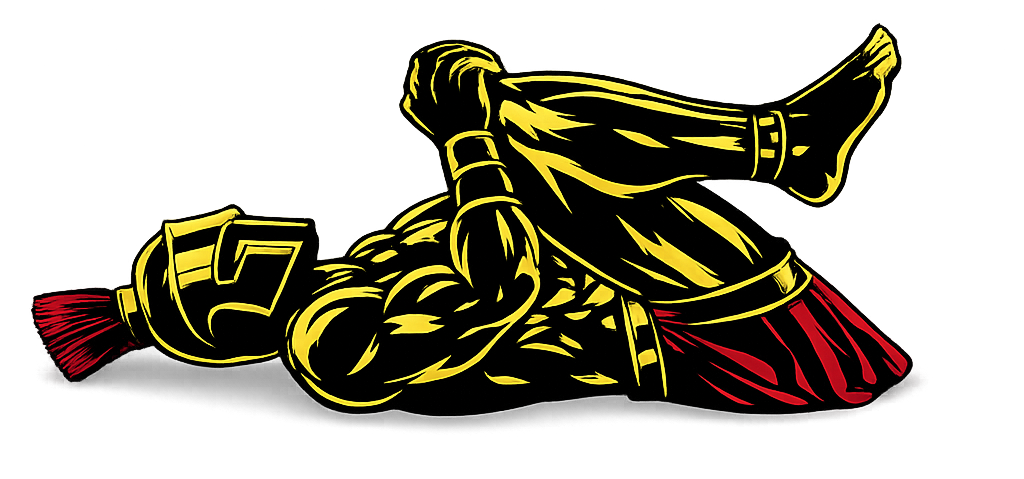
    Step 2: Bring Knees Toward Your Chest

    Slowly pull both knees toward your chest.

    • Use your hands to hold your shins
    • Keep movement controlled

    Step 3: Gently Pull Inward

    Pull your knees slightly closer until you feel a stretch in your lower back.

    • Keep shoulders relaxed
    • Avoid excessive force

    Warrior showcasing How to do a Lower Back Stretch with proper form

    Step 4: Hold the Stretch

    Maintain the position:

    • Hold for 15–30 seconds
    • Breathe steadily
    • Stay relaxed

    Step 5: Return Slowly

    Slowly release your legs back to the starting position.

    Avoid jerking or rushing the movement.


    Lower Back Stretch Form Checklist

    Use this checklist to ensure proper form:

    Move slowly and with control
    Keep shoulders relaxed
    Avoid forcing the stretch
    Maintain steady breathing
    Use a comfortable range of motion

    Proper form improves flexibility and prevents discomfort.


    Common Lower Back Stretch Mistakes

    Pulling Too Aggressively

    Problem: Can strain the lower back.

    Fix: Stretch gently and gradually.

    Holding Breath

    Problem: Increases muscle tension.

    Fix: Breathe slowly and consistently.

    Lifting the Head Excessively

    Problem: Creates neck tension.

    Fix: Keep your head relaxed on the ground.

    Rushing the Movement

    Problem: Reduces effectiveness.

    Fix: Perform slow, controlled movements.

    Stretching Through Pain

    Problem: May worsen discomfort.

    Fix: Stretch only within a comfortable range.


    Lower Back Stretch Variations

    Once you master the basic lower back stretch, these variations can improve mobility further.

    Single Knee-to-Chest Stretch

    Targets one side at a time.

    How to Do a Single Knee-to-Chest Stretch

    • Keep one leg extended
    • Pull the opposite knee toward your chest
    • Hold and switch sides

    Child’s Pose

    A relaxing full-back stretch.

    How to Do Child’s Pose

    • Sit back onto your heels
    • Extend your arms forward
    • Lower your chest toward the ground

    Seated Lower Back Stretch

    Improves spinal mobility.

    How to Do a Seated Lower Back Stretch

    • Sit with legs extended
    • Reach forward slowly
    • Maintain a straight back

    Cat-Cow Stretch

    A dynamic mobility variation.

    How to Do Cat-Cow Stretch

    • Alternate between arching and rounding your back
    • Move slowly with control
    • Coordinate breathing with movement


    Final Thoughts

    The lower back stretch is one of the most important mobility exercises you can master.

    It improves:

    • Spinal mobility
    • Flexibility
    • Recovery
    • Posture
    • Overall movement quality

    Progress may feel gradual if your lower back is tight. However, with consistent practice, your mobility and comfort will improve significantly. Learn more about Stretching Here.

    Focus on control and consistency.

    A warrior maintains mobility — not just strength.


    Lower Back Stretch FAQ

    Q1: How long should I hold a lower back stretch?
    Hold each stretch for 15–30 seconds and repeat 2–3 times.

    Q2: When should I do lower back stretches?
    Perform static stretches after workouts or during recovery sessions. Gentle mobility work can also be done daily.

    Q3: Can lower back stretches reduce stiffness?
    Yes, regular stretching improves mobility and helps reduce lower back tension and stiffness.

      How to Do a Quad Stretch Correctly: Step-by-Step Guide for Beginners

      Learn how to do a quad stretch with perfect form, avoid common mistakes, and discover the best variations to improve lower-body mobility and flexibility.

      The quad stretch is one of the most effective exercises for improving leg flexibility, reducing muscle tightness, and enhancing athletic performance. Whether you are training for military fitness tests, running, or general fitness, mastering the quad stretch is essential.


      What Is a Quad Stretch?

      A quad stretch is a flexibility exercise designed to lengthen the quadriceps muscles located at the front of your thighs.

      Tight quadriceps can reduce mobility, affect posture, and increase the risk of lower-body injuries.

      Quad stretches are commonly used in:

      • Warm-up routines
      • Cool-down sessions
      • Mobility and flexibility training
      • Injury prevention programs

      Unlike strength exercises, quad stretches focus on mobility, recovery, and muscle relaxation.

      Benefits of Quad Stretch

      The quad stretch is essential for lower-body mobility and movement efficiency.

      Benefits include:

      • Improves quadriceps flexibility
      • Reduces muscle tightness and stiffness
      • Enhances knee and hip mobility
      • Supports better posture and movement
      • Reduces risk of lower-body injuries
      • Aids recovery after leg workouts

      Few stretches are as important for leg mobility as the quad stretch.

      Muscles Worked in Quad Stretch

      Quad stretches target several lower-body muscles.

      Primary Muscles

      • Quadriceps (Rectus Femoris, Vastus Lateralis, Vastus Medialis, Vastus Intermedius)

      Secondary Muscles

      • Hip Flexors
      • Glutes
      • Knee Stabilizers

      This makes the quad stretch essential for maintaining balanced lower-body flexibility.


      How to Do a Quad Stretch (Step-by-Step)

      Step 1: Stand Tall

      Stand upright with your feet shoulder-width apart.

      • Core engaged
      • Chest upright
      • Balance stable

      Tip: Hold onto a wall or stable object if needed for balance.

      Step 2: Bend One Knee

      Lift one foot behind you by bending your knee.

      • Keep knees close together
      • Maintain upright posture

      Step 3: Grab Your Ankle

      Reach back and hold your ankle with the same-side hand.

      • Pull gently
      • Avoid forcing the movement

      Step 4: Push Your Hips Forward

      Slightly push your hips forward while pulling your foot toward your glutes.

      • Feel the stretch in the front of your thigh
      • Keep your chest upright

      Warrior showcasing How to do a Quad Stretch

      Step 5: Hold and Switch Sides

      Maintain the stretch:

      • Hold for 15–30 seconds
      • Breathe steadily

      Then repeat on the other leg.


      Quad Stretch Form Checklist

      Use this checklist to ensure proper form:

      Keep your torso upright
      Keep knees close together
      Push hips forward gently
      Avoid arching your lower back
      Maintain steady breathing

      Proper form improves flexibility and prevents injury.


      Common Quad Stretch Mistakes

      Pulling Too Hard

      Problem: Can cause strain or discomfort.

      Fix: Stretch gently and with control.

      Arching the Lower Back

      Problem: Reduces effectiveness.

      Fix: Engage your core and keep your spine neutral.

      Knees Flaring Out

      Problem: Reduces quad activation.

      Fix: Keep your knees close together.

      Leaning Forward

      Problem: Reduces stretch quality.

      Fix: Keep your chest upright.

      Holding Breath

      Problem: Increases muscle tension.

      Fix: Breathe slowly and consistently.


      Quad Stretch Variations

      Once you master the basic quad stretch, these variations can improve flexibility further.

      Side-Lying Quad Stretch

      A beginner-friendly and controlled variation.

      How to Do Side-Lying Quad Stretch

      • Lie on your side
      • Grab your top ankle
      • Pull gently toward your glutes

      Kneeling Quad Stretch

      Provides a deeper stretch.

      How to Do Kneeling Quad Stretch

      • Kneel on one knee
      • Grab the ankle of the back leg
      • Push hips forward slowly

      Couch Stretch

      An advanced and intense variation.

      How to Do Couch Stretch

      • Place one foot against a wall or bench
      • Move into a lunge position
      • Keep torso upright and hips forward

      Dynamic Quad Stretch

      Ideal for warm-ups.

      How to Do Dynamic Quad Stretch

      • Perform controlled walking quad stretches
      • Alternate legs
      • Maintain balance and posture


      Final Thoughts

      The quad stretch is one of the most important flexibility exercises you can master.

      It improves:

      • Leg flexibility
      • Hip mobility
      • Recovery
      • Injury prevention
      • Athletic performance

      Progress may feel gradual if your quadriceps are tight. However, with consistent practice, your mobility and movement quality will improve significantly. Learn more about Stretching Here.

      Focus on control and consistency.

      A warrior maintains mobility — not just strength.


      Quad Stretch FAQ

      Q1: How long should I hold a quad stretch?
      Hold each stretch for 15–30 seconds and repeat 2–3 times per leg.

      Q2: When should I do quad stretches?
      Perform static stretches after workouts or during mobility sessions. Dynamic stretches are ideal before exercise.

      Q3: Can quad stretches improve running performance?
      Yes, flexible quadriceps improve movement efficiency and reduce injury risk during running and athletic activity.

        How to Do a Lat Stretch Correctly: Step-by-Step Guide for Beginners

        Learn how to do a lat stretch with perfect form, avoid common mistakes, and discover the best variations to improve upper-body mobility and flexibility.

        The lat stretch is one of the most effective exercises for improving shoulder mobility, reducing upper-body tightness, and enhancing movement efficiency. Whether you are training for military fitness tests, calisthenics, or general fitness, mastering the lat stretch is essential.


        What Is a Lat Stretch?

        A lat stretch is a flexibility exercise designed to lengthen the latissimus dorsi muscles, commonly known as the lats, which are the large muscles along the sides of your back.

        Tight lats can restrict shoulder movement, affect posture, and reduce athletic performance.

        Lat stretches are commonly used in:

        • Warm-up routines
        • Cool-down sessions
        • Mobility and flexibility training
        • Recovery and injury prevention programs

        Unlike strength exercises, lat stretches focus on mobility, flexibility, and muscle recovery.

        Benefits of Lat Stretch

        The lat stretch is essential for maintaining upper-body mobility and posture.

        Benefits include:

        • Improves shoulder and upper-back mobility
        • Reduces muscle tightness and stiffness
        • Enhances overhead movement
        • Supports better posture
        • Helps relieve upper-body tension
        • Aids recovery after pull workouts

        Few stretches are as effective for upper-back flexibility as the lat stretch.

        Muscles Worked in Lat Stretch

        Lat stretches target several upper-body muscles.

        Primary Muscles

        • Latissimus Dorsi (Lats)

        Secondary Muscles

        • Teres Major
        • Rear Deltoids
        • Triceps
        • Upper Back Muscles
        • Shoulder Stabilizers

        This makes the lat stretch highly important for maintaining healthy shoulder function and mobility.


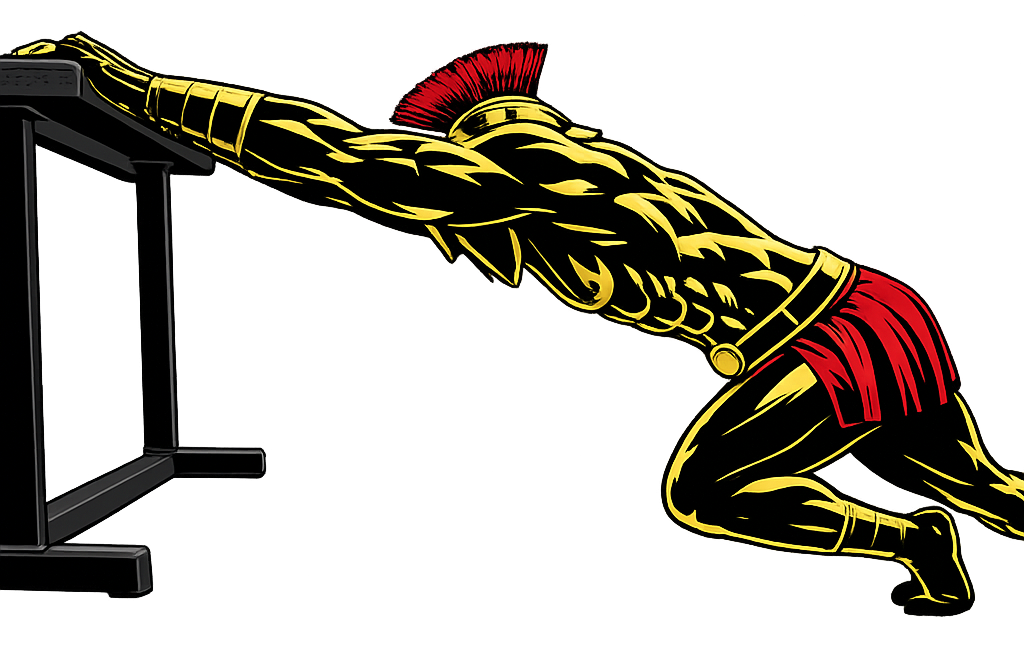
        How to Do a Lat Stretch (Step-by-Step)

        Step 1: Stand Near a Stable Surface

        Stand facing a bench, wall, or sturdy object.

        • Feet shoulder-width apart
        • Core engaged
        • Spine neutral

        Tip: Use a stable surface to maintain balance and control.

        Step 2: Place Your Hands Forward

        Extend your arms and place your hands on the surface.

        • Arms straight
        • Hands shoulder-width apart
        • Shoulders relaxed

        Step 3: Push Your Hips Back

        Slowly push your hips backward while lowering your chest.

        • Keep your back straight
        • Feel the stretch along your sides and upper back

        Warrior showcasing How to do a Lat Stretch with proper form

        Step 4: Hold the Stretch

        Maintain the stretch position:

        • Hold for 15–30 seconds
        • Breathe steadily
        • Stay relaxed

        Step 5: Return Slowly

        Slowly return to the starting position with control.

        Avoid jerking or rushing the movement.


        Lat Stretch Form Checklist

        Use this checklist to ensure proper form:

        Keep your arms straight
        Push your hips backward slowly
        Maintain a neutral spine
        Avoid shrugging your shoulders
        Breathe steadily throughout

        Proper form improves flexibility and prevents injury.


        Common Lat Stretch Mistakes

        Rounding the Back

        Problem: Reduces stretch effectiveness.

        Fix: Keep your spine neutral throughout the movement.

        Shrugging the Shoulders

        Problem: Causes tension in the neck.

        Fix: Keep shoulders relaxed and down.

        Bending the Arms

        Problem: Reduces lat engagement.

        Fix: Keep your arms fully extended.

        Overstretching

        Problem: Can cause discomfort or strain.

        Fix: Stretch only to a comfortable level.

        Holding Breath

        Problem: Increases muscle tension.

        Fix: Maintain slow, controlled breathing.


        Lat Stretch Variations

        Once you master the basic lat stretch, these variations can improve mobility further.

        Kneeling Lat Stretch

        A deeper and more controlled variation.

        How to Do Kneeling Lat Stretch

        • Kneel on the ground
        • Place hands on a bench or chair
        • Push hips backward slowly

        Wall Lat Stretch

        Great for beginners and mobility work.

        How to Do Wall Lat Stretch

        • Place one hand on a wall
        • Lean your body away
        • Feel the stretch through the side of your back

        Child’s Pose Lat Stretch

        Targets both the lats and lower back.

        How to Do Child’s Pose Lat Stretch

        • Sit back onto your heels
        • Extend your arms forward
        • Lower your chest toward the floor

        Resistance Band Lat Stretch

        Adds controlled tension for deeper stretching.

        How to Do Resistance Band Lat Stretch

        • Hold a resistance band overhead
        • Lean slightly backward or sideways
        • Maintain tension throughout


        Final Thoughts

        The lat stretch is one of the most important mobility exercises you can master.

        It improves:

        • Shoulder mobility
        • Upper-back flexibility
        • Posture
        • Recovery
        • Athletic performance

        Progress may feel gradual if your lats are tight. However, with consistent practice, your mobility and movement quality will improve significantly. Learn more about Stretching Here.

        Focus on control and consistency.

        A warrior maintains mobility — not just strength.


        Lat Stretch FAQ

        Q1: How long should I hold a lat stretch?
        Hold each stretch for 15–30 seconds and repeat 2–3 times.

        Q2: When should I do lat stretches?
        Perform static stretches after workouts or during mobility sessions. Dynamic stretches are ideal before training.

        Q3: Can lat stretches improve pull-up performance?
        Yes, improving lat flexibility and shoulder mobility can enhance pulling mechanics and movement efficiency.

          How to Do a Calf Stretch Correctly: Step-by-Step Guide for Beginners

          Learn how to do a calf stretch with perfect form, avoid common mistakes, and discover the best variations to improve flexibility and lower-leg mobility.

          The calf stretch is one of the most effective exercises for improving ankle mobility, reducing muscle tightness, and preventing lower-leg injuries. Whether you are training for military fitness tests, running, or general fitness, mastering the calf stretch is essential.


          What Is a Calf Stretch?

          A calf stretch is a flexibility exercise designed to lengthen the muscles at the back of your lower leg.

          Tight calves can limit ankle mobility, affect performance, and increase the risk of injury.

          Calf stretches are commonly used in:

          • Warm-up routines
          • Cool-down sessions
          • Mobility and flexibility training
          • Injury prevention programs

          Unlike strength exercises, calf stretches improve movement efficiency and recovery.

          Benefits of Calf Stretch

          The calf stretch is essential for lower-leg flexibility and performance.

          Benefits include:

          • Improves calf flexibility
          • Enhances ankle mobility
          • Reduces muscle tightness and stiffness
          • Supports better running and jumping performance
          • Reduces risk of injuries (e.g., strains, cramps)
          • Aids recovery after leg workouts

          Few stretches are as important for lower-leg mobility as the calf stretch.

          Muscles Worked in Calf Stretch

          Calf stretches target key lower-leg muscles.

          Primary Muscles

          • Gastrocnemius
          • Soleus

          Secondary Muscles

          • Achilles Tendon
          • Hamstrings
          • Ankle Stabilizers

          This makes the calf stretch crucial for maintaining lower-body balance and mobility.


          How to Do a Calf Stretch (Step-by-Step)

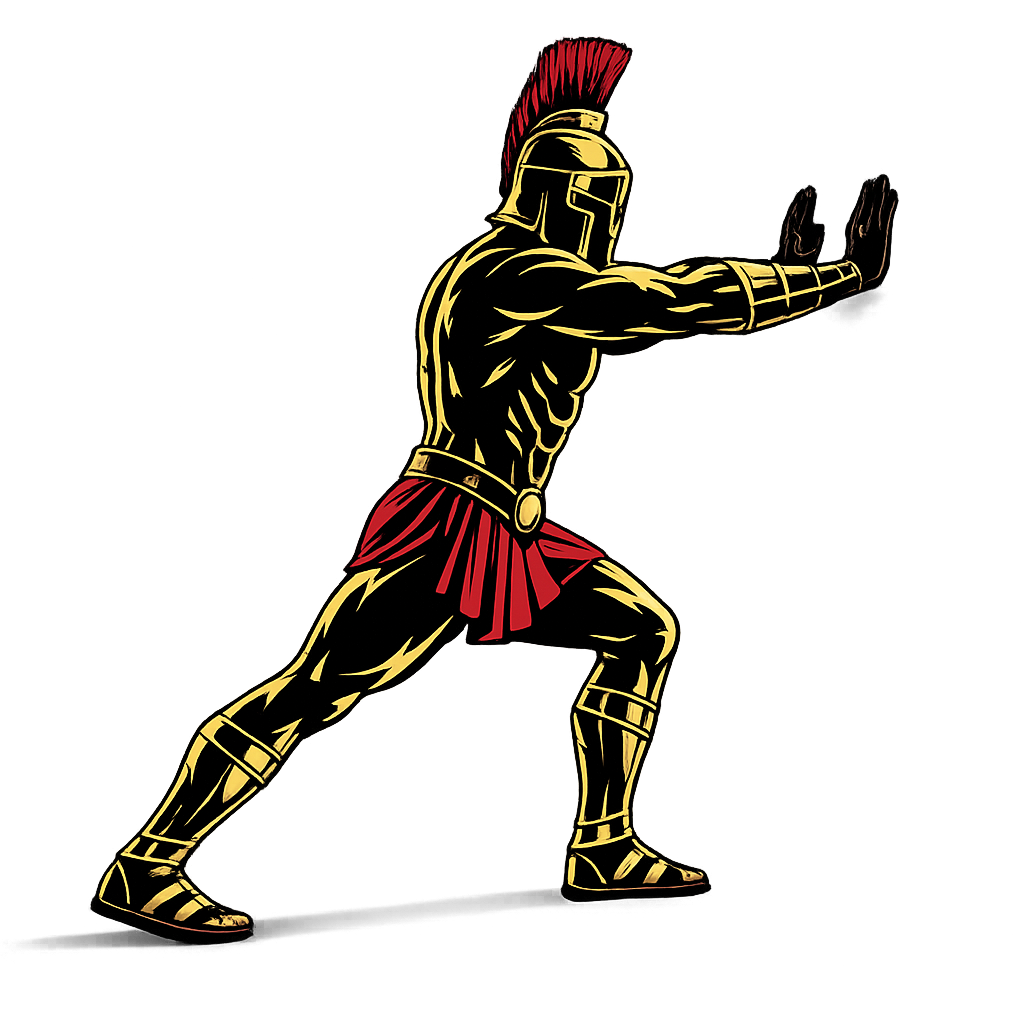
          Step 1: Stand Facing a Wall

          Stand upright facing a wall with your hands placed against it.

          Tip: Keep your posture straight and core engaged.

          Step 2: Step One Foot Back

          Move one foot backward while keeping the other foot forward.

          • Back leg straight
          • Front knee slightly bent
          • Both feet flat on the ground

          Step 3: Push Into the Wall

          Lean forward slightly and press your hands into the wall.

          • Feel the stretch in the back calf
          • Keep your heel on the ground

          Warrior showcasing How to do a Calf Stretch

          Step 4: Hold the Stretch

          Maintain the position:

          • Hold for 15–30 seconds
          • Breathe steadily
          • Stay relaxed

          Step 5: Switch Legs

          Slowly return to the starting position and repeat on the other leg.


          Calf Stretch Form Checklist

          Use this checklist to ensure proper form:

          Keep your back leg straight
          Keep your heel on the ground
          Lean forward gently
          Maintain steady breathing
          Avoid bouncing

          Proper form improves flexibility and prevents injury.


          Common Calf Stretch Mistakes

          Lifting the Heel

          Problem: Reduces stretch effectiveness.

          Fix: Keep your heel firmly on the ground.

          Bending the Back Knee

          Problem: Shifts the stretch away from the calf.

          Fix: Keep the back leg straight (for gastrocnemius stretch).

          Overstretching

          Problem: Can cause strain.

          Fix: Stretch to a comfortable level.

          Bouncing

          Problem: Increases injury risk.

          Fix: Hold the stretch steadily.

          Poor Foot Position

          Problem: Reduces effectiveness.

          Fix: Keep feet pointing forward.


          Calf Stretch Variations

          Once you master the basic calf stretch, these variations can improve flexibility further.

          Bent-Knee Calf Stretch

          Targets the deeper soleus muscle.

          How to Do Bent-Knee Calf Stretch

          • Slightly bend your back knee
          • Keep heel on the ground
          • Lean forward gently

          Seated Calf Stretch

          A controlled and beginner-friendly option.

          How to Do Seated Calf Stretch

          • Sit with legs extended
          • Loop a towel or band around your foot
          • Pull gently toward you

          Stair Calf Stretch

          Increases range of motion.

          How to Do Stair Calf Stretch

          • Stand on the edge of a step
          • Lower your heels downward
          • Hold the stretch

          Dynamic Calf Stretch

          Ideal for warm-ups.

          How to Do Dynamic Calf Stretch

          • Perform controlled ankle movements
          • Rise onto toes and lower down
          • Move smoothly


          Final Thoughts

          The calf stretch is one of the most important flexibility exercises you can master.

          It improves:

          • Lower-leg flexibility
          • Ankle mobility
          • Injury prevention
          • Recovery
          • Athletic performance

          Progress may feel gradual if your calves are tight. However, with consistent practice, your mobility and performance will improve significantly. Learn more about Stretching Here.

          Focus on control and consistency.

          A warrior maintains mobility — not just strength.


          Calf Stretch FAQ

          Q1: How long should I hold a calf stretch?
          Hold each stretch for 15–30 seconds and repeat 2–3 times per leg.

          Q2: When should I do calf stretches?
          Perform static stretches after workouts or during mobility sessions. Use dynamic stretches before workouts.

          Q3: Can calf stretches improve running performance?
          Yes, flexible calves improve stride efficiency and reduce injury risk.

            How to Do the Cat-Cow Stretch Correctly: Step-by-Step Guide for Beginners

            Learn how to do the Cat-Cow stretch with perfect form, avoid common mistakes, and discover the best variations to improve spinal mobility and flexibility.

            The Cat-Cow stretch is one of the most effective mobility exercises for improving spine flexibility, relieving tension, and enhancing movement control. Whether you are training for military fitness tests, calisthenics, or general fitness, mastering the Cat-Cow stretch is essential.


            What Is the Cat-Cow Stretch?

            The Cat-Cow stretch is a dynamic mobility exercise performed on all fours, where you alternate between arching and rounding your back.

            This movement improves spinal flexibility while coordinating breathing with motion.

            The Cat-Cow stretch is commonly used in:

            • Warm-up routines
            • Mobility and flexibility training
            • Yoga and recovery sessions
            • Injury prevention programs

            Unlike static stretches, Cat-Cow is a dynamic movement that promotes fluid motion in the spine.

            Benefits of Cat-Cow Stretch

            The Cat-Cow stretch is essential for maintaining spinal health and flexibility.

            Benefits include:

            • Improves spinal mobility and flexibility
            • Reduces stiffness in the back and neck
            • Enhances posture and alignment
            • Promotes better breathing coordination
            • Relieves tension in the spine
            • Aids recovery and relaxation

            Few exercises are as effective for spinal mobility as the Cat-Cow stretch.

            Muscles Worked in Cat-Cow Stretch

            The Cat-Cow stretch activates multiple muscles along the spine and core.

            Primary Muscles

            • Spinal Erectors
            • Abdominal Muscles

            Secondary Muscles

            • Shoulders (Deltoids)
            • Neck Muscles
            • Hip Flexors
            • Glutes

            This makes Cat-Cow an excellent movement for improving overall body coordination.


            How to Do the Cat-Cow Stretch (Step-by-Step)

            Step 1: Get Into All-Fours Position

            Start on your hands and knees.

            • Hands under shoulders
            • Knees under hips
            • Spine neutral

            Tip: Keep your head in line with your spine.

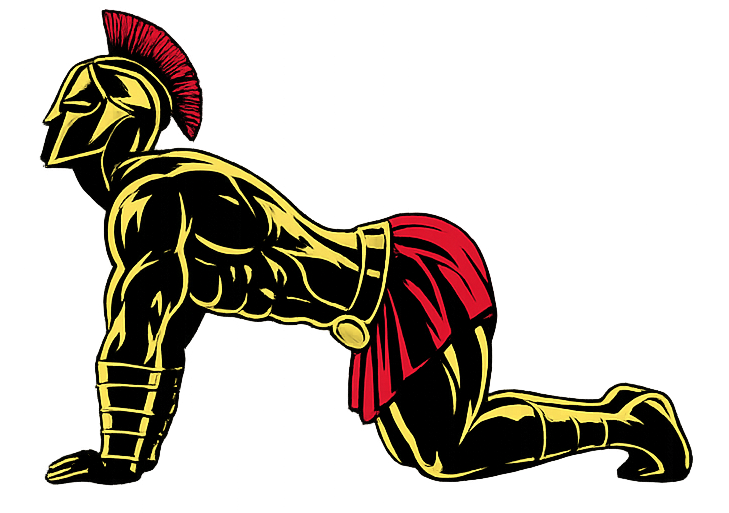
            Step 2: Move Into Cow Position

            Inhale and drop your belly toward the ground.

            • Lift your chest and tailbone upward
            • Keep shoulders relaxed
            • Gently look forward

            Warrior showcasing How to do the Cat-Cow Stretch

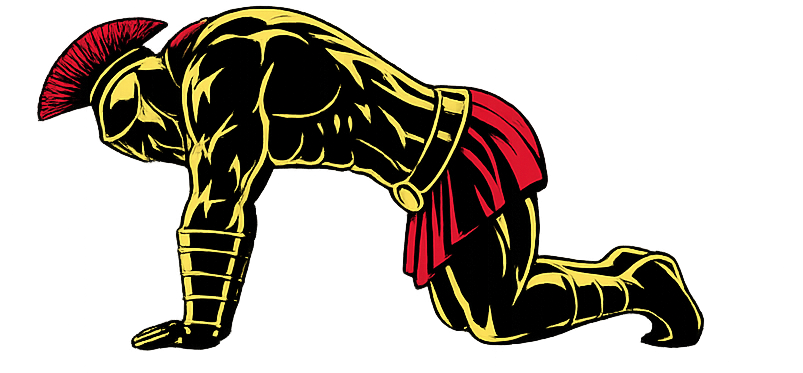
            Step 3: Move Into Cat Position

            Exhale and round your back upward.

            • Tuck your chin toward your chest
            • Pull your belly button inward
            • Spread your shoulder blades

            Warrior showcasing How to do the Cat-Cow Stretch

            Step 4: Flow Between Positions

            Continue alternating between Cat and Cow positions.

            • Move slowly and smoothly
            • Sync your breathing with movement

            Step 5: Maintain Control

            Perform each repetition with control.

            Avoid rushing — focus on quality movement.


            Cat-Cow Stretch Form Checklist

            Use this checklist to ensure proper form:

            Keep movements slow and controlled
            Coordinate breathing with movement
            Maintain proper hand and knee placement
            Avoid forcing the range of motion
            Keep your core engaged

            Proper form improves mobility and prevents strain.


            Common Cat-Cow Stretch Mistakes

            Moving Too Fast

            Problem: Reduces effectiveness.

            Fix: Perform slow, controlled movements.

            Forcing the Range of Motion

            Problem: Can cause discomfort.

            Fix: Move within a comfortable range.

            Poor Alignment

            Problem: Reduces benefits.

            Fix: Keep hands under shoulders and knees under hips.

            Not Breathing Properly

            Problem: Reduces coordination.

            Fix: Inhale in Cow, exhale in Cat.

            Collapsing Shoulders

            Problem: Causes instability.

            Fix: Keep shoulders active and stable.


            Cat-Cow Stretch Variations

            Once you master the basic Cat-Cow stretch, these variations can enhance mobility further.

            Seated Cat-Cow Stretch

            A beginner-friendly variation.

            How to Do Seated Cat-Cow

            • Sit upright in a chair
            • Place hands on knees
            • Alternate arching and rounding your back

            Standing Cat-Cow Stretch

            Improves accessibility.

            How to Do Standing Cat-Cow

            • Stand upright with hands on thighs
            • Alternate spinal flexion and extension
            • Move in a controlled manner

            Extended Cat-Cow Stretch

            Adds a greater range of motion.

            How to Do Extended Cat-Cow

            • Reach one arm forward during the movement
            • Increase stretch intensity
            • Maintain balance

            Slow Tempo Cat-Cow

            Focuses on control and breathing.

            How to Do Slow Tempo Cat-Cow

            • Hold each position for 2–3 seconds
            • Emphasize breathing
            • Move with precision


            Final Thoughts

            The Cat-Cow stretch is one of the most effective mobility exercises you can master.

            It improves:

            • Spinal flexibility
            • Posture
            • Movement coordination
            • Recovery
            • Overall mobility

            Progress may feel subtle at first, but consistent practice will greatly improve how your body moves and feels. Learn more about Stretching Here.

            Focus on control and breathing.

            A warrior moves with fluidity — not stiffness.


            Cat-Cow Stretch FAQ

            Q1: How many reps should I do for the Cat-Cow stretch?
            Beginners can perform 8–12 slow repetitions per set.

            Q2: When should I do the Cat-Cow stretch?
            It is ideal for warm-ups, mobility sessions, or recovery routines.

            Q3: Can Cat-Cow reduce back pain?
            Yes, it can help relieve tension and improve spinal mobility, which may reduce discomfort.

              How to Do a Hip Flexor Stretch Correctly: Step-by-Step Guide for Beginners

              Learn how to do a hip flexor stretch with perfect form, avoid common mistakes, and discover the best variations to improve mobility and reduce stiffness.

              The hip flexor stretch is one of the most effective exercises for improving lower-body mobility, reducing tightness, and enhancing movement efficiency. Whether you are training for military fitness tests, running, or general fitness, mastering the hip flexor stretch is essential.


              What Is a Hip Flexor Stretch?

              A hip flexor stretch is a flexibility exercise designed to lengthen the muscles at the front of your hips, which are responsible for lifting your legs and stabilizing your pelvis.

              Tight hip flexors are common due to prolonged sitting and intense training, and they can limit mobility and cause discomfort.

              Hip flexor stretches are commonly used in:

              • Warm-up routines
              • Cool-down sessions
              • Mobility and flexibility training
              • Injury prevention programs

              Unlike strength exercises, hip flexor stretches improve joint mobility and muscle recovery.

              Benefits of Hip Flexor Stretch

              The hip flexor stretch is essential for maintaining lower-body mobility and posture.

              Benefits include:

              • Improves hip flexibility and mobility
              • Reduces muscle tightness and stiffness
              • Enhances stride and movement efficiency
              • Supports better posture and pelvic alignment
              • Reduces risk of lower back pain
              • Aids recovery after leg workouts

              Few stretches are as important for hip mobility as the hip flexor stretch.

              Muscles Worked in Hip Flexor Stretch

              Hip flexor stretches target several key lower-body muscles.

              Primary Muscles

              • Hip Flexors (Iliopsoas, Rectus Femoris)

              Secondary Muscles

              • Quadriceps
              • Glutes
              • Lower Back Muscles

              This makes the hip flexor stretch crucial for maintaining balanced lower-body function.


              How to Do a Hip Flexor Stretch (Step-by-Step)

              Step 1: Get Into a Lunge Position

              Start in a kneeling lunge position with one knee on the ground and the other foot in front.

              • Front knee bent at 90 degrees
              • Back knee resting on the ground

              Tip: Keep your torso upright.

              Step 2: Engage Your Core

              Tighten your core and keep your spine neutral.

              • Avoid arching your lower back
              • Maintain control

              Step 3: Push Your Hips Forward

              Gently push your hips forward.

              • Feel the stretch in the front of your hip
              • Keep movement controlled

              Step 4: Hold the Stretch

              Maintain the position:

              • Hold for 15–30 seconds
              • Breathe steadily
              • Stay relaxed

              Step 5: Switch Sides

              Slowly return to the starting position and repeat on the other side.


              Hip Flexor Stretch Form Checklist

              Use this checklist to ensure proper form:

              Keep your torso upright
              Engage your core
              Push hips forward gently
              Avoid arching your lower back
              Maintain steady breathing

              Proper form improves mobility and prevents injury.


              Common Hip Flexor Stretch Mistakes

              Arching the Lower Back

              Problem: Reduces effectiveness and causes strain.

              Fix: Keep your core engaged and spine neutral.

              Leaning Forward

              Problem: Shifts the stretch away from the hip flexors.

              Fix: Keep your torso upright.

              Overstretching

              Problem: Can cause discomfort or injury.

              Fix: Stretch to a comfortable level.

              Poor Knee Position

              Problem: Reduces stability.

              Fix: Keep your front knee aligned over your ankle.

              Holding Breath

              Problem: Increases tension.

              Fix: Breathe slowly and consistently.


              Hip Flexor Stretch Variations

              Once you master the basic hip flexor stretch, these variations can further improve flexibility.

              Standing Hip Flexor Stretch

              A simple and accessible variation.

              How to Do Standing Hip Flexor Stretch

              • Stand upright
              • Step one leg backward
              • Push hips forward gently

              Couch Stretch

              A deeper and more intense stretch.

              How to Do Couch Stretch

              • Place your back foot on a bench or wall
              • Move into a lunge position
              • Keep torso upright and push hips forward

              Dynamic Hip Flexor Stretch

              Ideal for warm-ups.

              How to Do Dynamic Hip Flexor Stretch

              • Perform controlled lunges
              • Move in and out of the stretch
              • Maintain proper form

              Elevated Hip Flexor Stretch

              Increases range of motion.

              How to Do Elevated Hip Flexor Stretch

              • Place your front foot on an elevated surface
              • Perform the stretch
              • Maintain control throughout


              Final Thoughts

              The hip flexor stretch is one of the most important mobility exercises you can master.

              It improves:

              • Hip mobility
              • Posture
              • Movement efficiency
              • Injury prevention
              • Athletic performance

              Progress may feel gradual if your hips are tight. However, with consistent practice, your mobility and comfort will significantly improve. Learn more about StretchingHere.

              Focus on control and consistency.

              A warrior maintains mobility — not just strength.


              Hip Flexor Stretch FAQ

              Q1: How long should I hold a hip flexor stretch?
              Hold each stretch for 15–30 seconds and repeat 2–3 times per side.

              Q2: When should I do hip flexor stretches?
              Perform static stretches after workouts or during mobility sessions. Use dynamic versions before workouts.

              Q3: Can hip flexor stretches reduce back pain?
              Yes, improving hip flexibility can reduce strain on the lower back and improve posture.

                How to Do Hangs (Holds) Correctly: Step-by-Step Guide for Beginners

                Learn how to do hangs with perfect form, avoid common mistakes, and discover the best variations to build grip strength and upper-body endurance.

                Hangs (also known as holds) are one of the most effective bodyweight exercises for developing grip strength, improving shoulder stability, and building pulling endurance. Whether you are training for military fitness tests, calisthenics, or athletic performance, mastering hangs is essential.


                What Are Hangs (Holds)?

                Hangs are a bodyweight exercise where you suspend your body from a bar and hold the position for time.

                Depending on the variation, hangs can target grip strength, shoulder stability, or pulling endurance.

                Hangs are commonly used in:

                • Military fitness training
                • Calisthenics workouts
                • Grip strength training
                • Rehabilitation and mobility programs

                Unlike dynamic exercises, hangs develop isometric strength and endurance.

                Benefits of Hangs

                Hangs are one of the best exercises for building grip and upper-body endurance.

                Benefits include:

                • Builds powerful grip strength
                • Improves shoulder stability and health
                • Enhances pulling endurance
                • Strengthens forearms and hands
                • Decompresses the spine
                • Essential for military and tactical fitness

                Few exercises develop grip strength as effectively as hangs.

                Muscles Worked in Hangs

                Hangs activate multiple upper-body muscles.

                Primary Muscles
                • Forearms and Grip Muscles
                Secondary Muscles
                • Latissimus Dorsi (Lats)
                • Shoulders (Deltoids)
                • Trapezius
                • Core Muscles

                This makes hang training highly effective for developing functional upper-body strength.


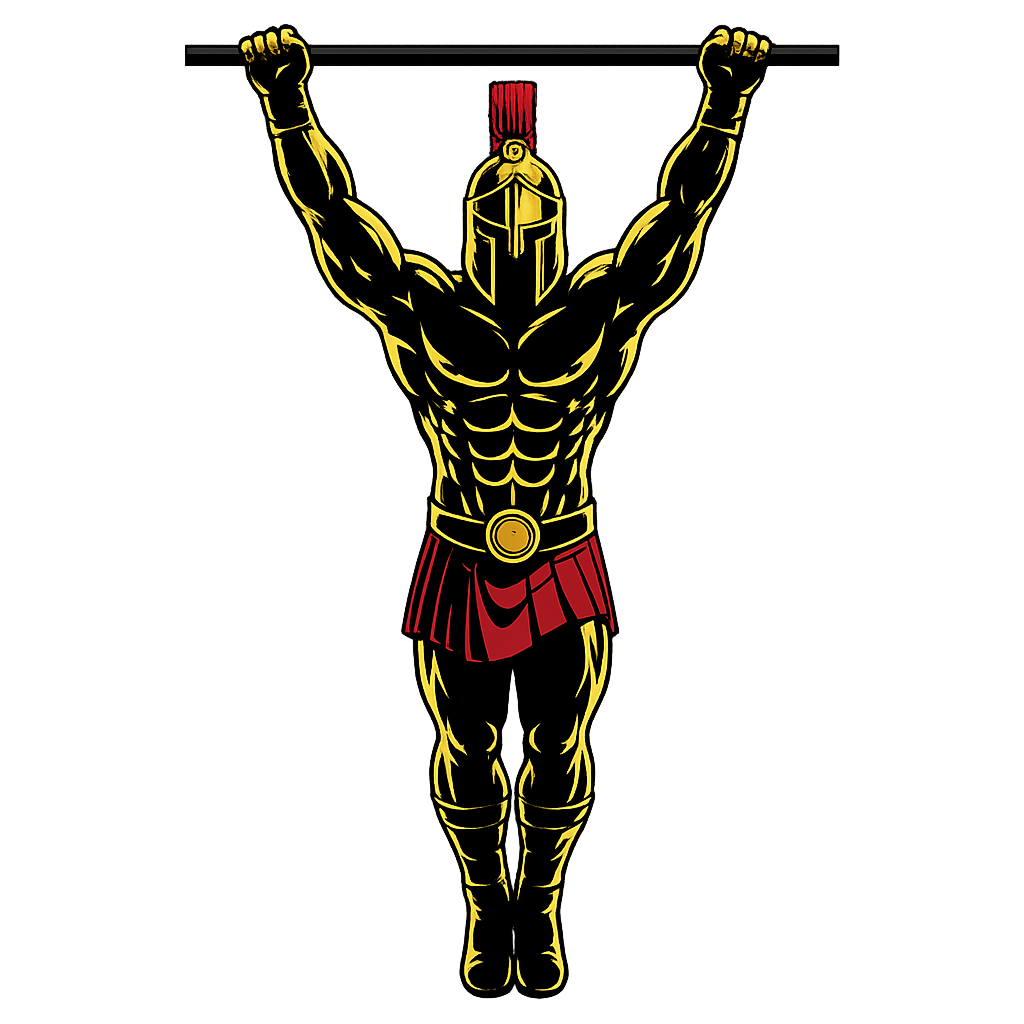
                How to Do Hangs (Step-by-Step)

                Step 1: Grip the Bar

                Grab a pull-up bar with your hands shoulder-width apart.

                • Use an overhand grip
                • Squeeze the bar tightly

                Tip: A strong grip activates your forearms and improves endurance.

                Step 2: Lift Into a Hanging Position

                Lift your feet off the ground and hang freely.

                • Arms fully extended
                • Body relaxed but controlled

                Step 3: Engage Your Shoulders

                Slightly pull your shoulders down and away from your ears.

                • Avoid completely passive hanging
                • Keep shoulders stable
                Warrior showcasing How to do Hangs with proper form

                Step 4: Hold the Position

                Maintain the hang:

                • Keep your grip tight
                • Engage your core
                • Stay controlled

                Step 5: Dismount Safely

                When finished:

                • Lower yourself carefully
                • Avoid dropping suddenly

                Hangs Form Checklist

                Use this checklist to ensure perfect form:

                • Grip the bar firmly
                • Keep shoulders slightly engaged
                • Avoid excessive swinging
                • Maintain control throughout
                • Keep your body stable

                Perfect form builds strength and prevents injury.


                Common Hangs Mistakes

                Passive Hanging Only

                Problem: Reduces muscle activation.

                Fix: Slightly engage your shoulders.

                Weak Grip

                Problem: Limits performance.

                Fix: Squeeze the bar tightly.

                Excessive Swinging

                Problem: Reduces effectiveness.

                Fix: Keep your body still.

                Shrugging Shoulders

                Problem: Can cause discomfort.

                Fix: Keep shoulders down and stable.

                Dropping Off the Bar

                Problem: Risk of injury.

                Fix: Always dismount with control.


                Hangs Variations

                Once you master basic hangs, these variations can further build strength and endurance.

                Dead Hangs

                The most basic and essential variation.

                How to Do Dead Hangs

                • Hang with arms fully extended
                • Keep body relaxed
                • Focus on grip endurance

                Active Hangs

                Engages shoulders and upper back.

                How to Do Active Hangs

                • Slightly pull shoulders down
                • Engage lats and core
                • Hold the position

                Chin-Up Top Hold

                Builds pulling strength and endurance.

                How to Do Chin-Up Top Hold

                • Pull yourself to the top position
                • Chin above the bar
                • Hold as long as possible

                One-Arm Assisted Hang

                Increases difficulty progressively.

                How to Do One-Arm Assisted Hang

                • Hang with one hand gripping the bar
                • Use the other hand lightly for support
                • Gradually reduce assistance

                Towel Hangs

                Improves grip strength significantly.

                How to Do Towel Hangs

                • Wrap a towel over the bar
                • Grip the towel instead of the bar
                • Hold your body weight

                Final Thoughts

                Hangs are one of the most underrated exercises you can master.

                They build:

                • Grip strength
                • Shoulder stability
                • Pulling endurance
                • Core control
                • Functional strength

                Progress may feel slow at first, especially if your grip strength is weak. However, with consistent training, your endurance will rapidly improve. Learn more about Pull Workouts here.

                Focus on time under tension.

                A warrior holds strong — even when fatigue sets in.


                Hangs FAQ

                Q1: How long should beginners hold a hang?
                Beginners can start with 10–20 seconds and gradually increase to 30–60 seconds.

                Q2: Are hangs good for grip strength?
                Yes, hangs are one of the best exercises for developing grip strength and endurance.

                Q3: How often should I do hangs?
                You can train hangs 3–5 times per week, depending on recovery.

                  How to Do a Hamstring Stretch Correctly: Step-by-Step Guide for Beginners

                  Learn how to do a hamstring stretch with perfect form, avoid common mistakes, and discover the best variations to improve flexibility and lower-body mobility.

                  The hamstring stretch is one of the most effective exercises for improving flexibility, reducing muscle tightness, and preventing injuries in the lower body. Whether you are training for military fitness tests, running, or general fitness, mastering the hamstring stretch is essential.


                  What Is a Hamstring Stretch?

                  A hamstring stretch is a flexibility exercise designed to lengthen the hamstring muscles located at the back of your thighs.

                  Tight hamstrings can limit mobility, reduce performance, and increase the risk of injury.

                  Hamstring stretches are commonly used in:

                  • Warm-up routines
                  • Cool-down sessions
                  • Mobility and flexibility training
                  • Injury prevention programs

                  Unlike strength exercises, hamstring stretches improve movement efficiency and recovery.

                  Benefits of Hamstring Stretch

                  The hamstring stretch is essential for lower-body flexibility and performance.

                  Benefits include:

                  • Improves hamstring flexibility
                  • Reduces muscle tightness and stiffness
                  • Enhances range of motion
                  • Supports better posture
                  • Reduces risk of injuries (especially during running)
                  • Aids recovery after leg workouts

                  Few stretches are as important for lower-body mobility as the hamstring stretch.

                  Muscles Worked in Hamstring Stretch

                  Hamstring stretches target several lower-body muscles.

                  Primary Muscles

                  • Hamstrings (Biceps Femoris, Semitendinosus, Semimembranosus)

                  Secondary Muscles

                  • Calves (Gastrocnemius)
                  • Glutes
                  • Lower Back Muscles

                  This makes the hamstring stretch crucial for maintaining lower-body balance and mobility.


                  How to Do a Hamstring Stretch (Step-by-Step)

                  Step 1: Stand Tall

                  Stand upright with your feet hip-width apart.

                  Keep your posture straight and core engaged.

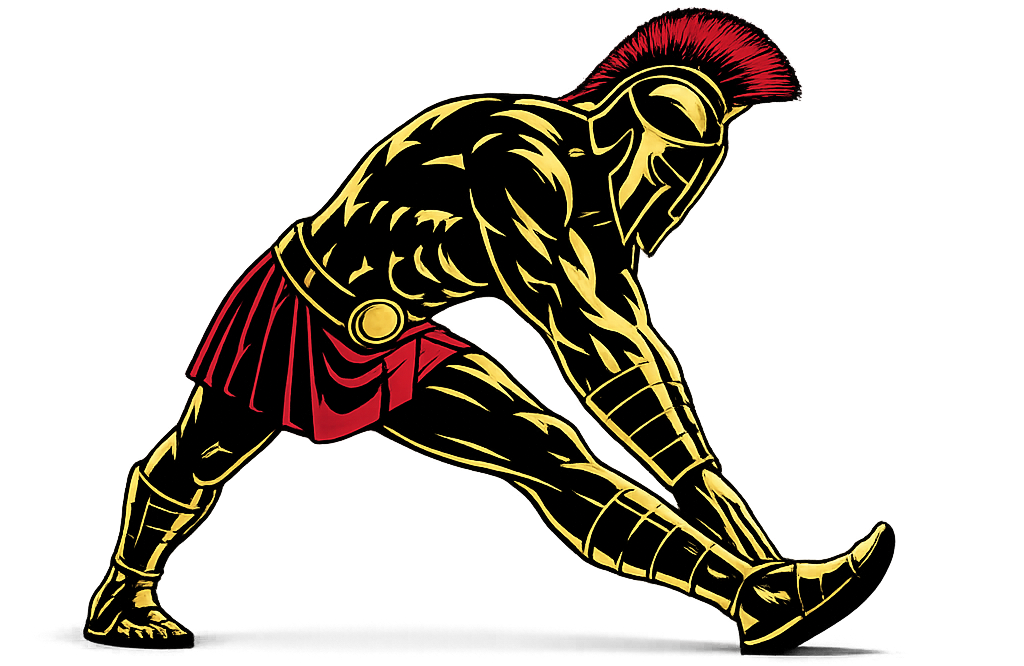
                  Step 2: Extend One Leg Forward

                  Place one leg slightly in front of you with your heel on the ground and toes pointing upward.

                  • Keep the leg straight
                  • Maintain balance

                  Step 3: Hinge at the Hips

                  Slowly bend forward from your hips toward your extended leg.

                  • Keep your back straight
                  • Avoid rounding your spine

                  Warrior showcasing How to do a Hamstring Stretch with proper form

                  Step 4: Feel the Stretch

                  Lower yourself until you feel a stretch in the back of your thigh.

                  • Do not force the movement
                  • Keep it controlled

                  Step 5: Hold and Switch

                  Hold the stretch:

                  • 15–30 seconds
                  • Breathe steadily

                  Then switch to the other leg.


                  Hamstring Stretch Form Checklist

                  Use this checklist to ensure proper form:

                  Keep your back straight
                  Hinge from your hips, not your lower back
                  Keep your leg straight
                  Move slowly into the stretch
                  Avoid bouncing

                  Proper form improves flexibility and prevents injury.


                  Common Hamstring Stretch Mistakes

                  Rounding the Back

                  Problem: Reduces stretch effectiveness.

                  Fix: Keep your spine neutral and hinge at the hips.

                  Bouncing

                  Problem: Increases risk of injury.

                  Fix: Hold the stretch steadily.

                  Overstretching

                  Problem: Can cause muscle strain.

                  Fix: Stretch to a comfortable level.

                  Bending the Knee

                  Problem: Reduces hamstring activation.

                  Fix: Keep the leg straight.

                  Holding Breath

                  Problem: Increases tension.

                  Fix: Breathe slowly and consistently.


                  Hamstring Stretch Variations

                  Once you master the basic hamstring stretch, these variations can improve flexibility further.

                  Seated Hamstring Stretch

                  A simple and effective variation.

                  How to Do Seated Hamstring Stretch

                  • Sit on the ground with legs extended
                  • Reach toward your toes
                  • Keep your back straight

                  Lying Hamstring Stretch

                  Great for controlled stretching.

                  How to Do Lying Hamstring Stretch

                  • Lie on your back
                  • Lift one leg upward
                  • Hold behind your thigh or calf

                  Standing Toe Touch Stretch

                  A common flexibility exercise.

                  How to Do Standing Toe Touch

                  • Stand upright
                  • Bend forward and reach toward your toes
                  • Keep legs straight

                  Dynamic Hamstring Stretch

                  Ideal for warm-ups.

                  How to Do Dynamic Hamstring Stretch

                  • Perform controlled leg swings
                  • Gradually increase range of motion
                  • Avoid excessive force


                  Final Thoughts

                  The hamstring stretch is one of the most important flexibility exercises you can master.

                  It improves:

                  • Lower-body flexibility
                  • Range of motion
                  • Injury prevention
                  • Recovery
                  • Athletic performance

                  Progress may feel slow if your hamstrings are tight. However, with consistent practice, your flexibility and movement will significantly improve. Learn more about Stretching Here.

                  Focus on control and consistency.

                  A warrior maintains mobility — not just strength.


                  Hamstring Stretch FAQ

                  Q1: How long should I hold a hamstring stretch?
                  Hold each stretch for 15–30 seconds and repeat 2–3 times per leg.

                  Q2: When should I do hamstring stretches?
                  Perform static stretches after workouts or during mobility sessions. Use dynamic stretches before workouts.

                  Q3: Can hamstring stretches improve running performance?
                  Yes, flexible hamstrings improve stride efficiency and reduce injury risk.

                    How to Do a Shoulder Stretch Correctly: Step-by-Step Guide for Beginners

                    Learn how to do a shoulder stretch with perfect form, avoid common mistakes, and discover the best variations to improve mobility and reduce stiffness.

                    The shoulder stretch is one of the most effective exercises for improving shoulder flexibility, reducing tension, and preventing injuries. Whether you are training for military fitness tests, calisthenics, or general fitness, mastering the shoulder stretch is essential.


                    What Is a Shoulder Stretch?

                    A shoulder stretch is a flexibility exercise designed to improve the range of motion in the shoulder joint while reducing muscle tightness.

                    It helps counteract stiffness caused by heavy training, poor posture, and prolonged sitting.

                    Shoulder stretches are commonly used in:

                    • Warm-up routines
                    • Cool-down sessions
                    • Mobility and flexibility training
                    • Injury prevention programs

                    Unlike strength exercises, shoulder stretches focus on mobility, recovery, and joint health.

                    Benefits of Shoulder Stretch

                    The shoulder stretch is essential for maintaining upper-body mobility and preventing injuries.

                    Benefits include:

                    • Improves shoulder flexibility and mobility
                    • Reduces muscle tightness and stiffness
                    • Prevents shoulder injuries
                    • Enhances range of motion
                    • Supports better posture
                    • Aids recovery after upper-body workouts

                    Few exercises are as effective for maintaining healthy shoulders as proper stretching.

                    Muscles Worked in Shoulder Stretch

                    Shoulder stretches target multiple upper-body muscles.

                    Primary Muscles

                    • Deltoids (Anterior, Lateral, Posterior)

                    Secondary Muscles

                    • Trapezius
                    • Rotator Cuff Muscles
                    • Rhomboids
                    • Upper Back Muscles

                    This makes shoulder stretching crucial for overall shoulder health and function.


                    How to Do a Shoulder Stretch (Step-by-Step)

                    Step 1: Stand Tall

                    Stand upright with your feet shoulder-width apart.

                    Keep your posture straight and core engaged.

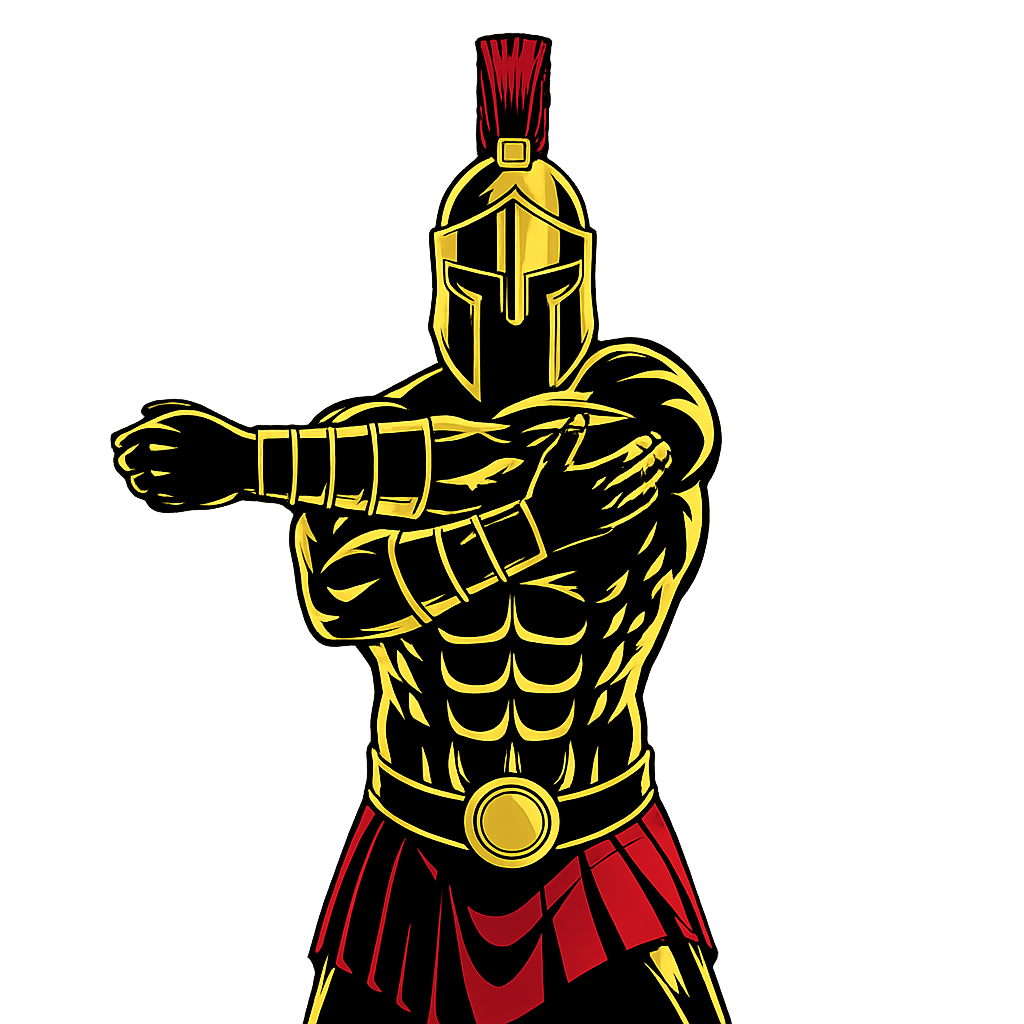
                    Step 2: Bring Your Arm Across Your Body

                    Lift one arm and bring it across your chest.

                    • Keep the arm straight
                    • Shoulder relaxed
                    • Chest upright

                    Step 3: Support With Opposite Arm

                    Use your opposite hand to pull the arm closer to your chest gently.

                    • Apply light pressure
                    • Avoid jerking movements

                    Warrior showcasing How to do a Shoulder Stretch with proper form

                    Step 4: Hold the Stretch

                    Maintain the position:

                    • Hold for 15–30 seconds
                    • Breathe steadily
                    • Stay relaxed

                    Step 5: Switch Sides

                    Slowly release and repeat on the other arm.


                    Shoulder Stretch Form Checklist

                    Use this checklist to ensure proper form:

                    Keep your posture upright
                    Pull your arm gently across your body
                    Avoid shrugging your shoulders
                    Maintain steady breathing
                    Do not force the stretch

                    Proper form improves mobility and prevents injury.


                    Common Shoulder Stretch Mistakes

                    Pulling Too Hard

                    Problem: Can cause strain or injury.

                    Fix: Use gentle, controlled pressure.

                    Shrugging the Shoulder

                    Problem: Reduces stretch effectiveness.

                    Fix: Keep your shoulders relaxed and down.

                    Bending the Arm

                    Problem: Limits muscle stretch.

                    Fix: Keep your arm straight.

                    Twisting the Body

                    Problem: Reduces shoulder isolation.

                    Fix: Keep your torso facing forward.

                    Holding Breath

                    Problem: Increases tension.

                    Fix: Breathe slowly and consistently.


                    Shoulder Stretch Variations

                    Once you master the basic shoulder stretch, these variations can improve mobility further.

                    Overhead Shoulder Stretch

                    Targets upper shoulders and triceps.

                    How to Do Overhead Shoulder Stretch

                    • Raise one arm overhead
                    • Bend the elbow behind your head
                    • Use the opposite hand to gently press the elbow

                    Wall Shoulder Stretch

                    Improves shoulder and chest mobility.

                    How to Do Wall Shoulder Stretch

                    • Place your hand on a wall
                    • Rotate your body away
                    • Feel the stretch across your shoulder

                    Dynamic Shoulder Stretch

                    Ideal for warm-ups.

                    How to Do a Dynamic Shoulder Stretch

                    • Perform arm circles
                    • Keep movements controlled
                    • Gradually increase range

                    Resistance Band Shoulder Stretch

                    Adds controlled tension.

                    How to Do Resistance Band Shoulder Stretch

                    • Hold a resistance band with both hands
                    • Raise arms overhead and backward
                    • Maintain control throughout


                    Final Thoughts

                    The shoulder stretch is one of the most important exercises for maintaining shoulder health and mobility.

                    It improves:

                    • Flexibility
                    • Range of motion
                    • Injury prevention
                    • Recovery
                    • Overall upper-body performance

                    Progress may feel gradual, especially if your shoulders are tight. However, with consistent stretching, your mobility and comfort will significantly improve. Learn more about Stretching Here.

                    Focus on control and consistency.

                    A warrior maintains mobility — not just strength.


                    Shoulder Stretch FAQ

                    Q1: How long should I hold a shoulder stretch?
                    Hold each stretch for 15–30 seconds and repeat 2–3 times per side.

                    Q2: When should I do shoulder stretches?
                    You can perform shoulder stretches after workouts or during mobility sessions. Dynamic stretches are ideal before workouts.

                    Q3: Can shoulder stretches prevent injuries?
                    Yes, regular stretching improves mobility and reduces the risk of strains and injuries.