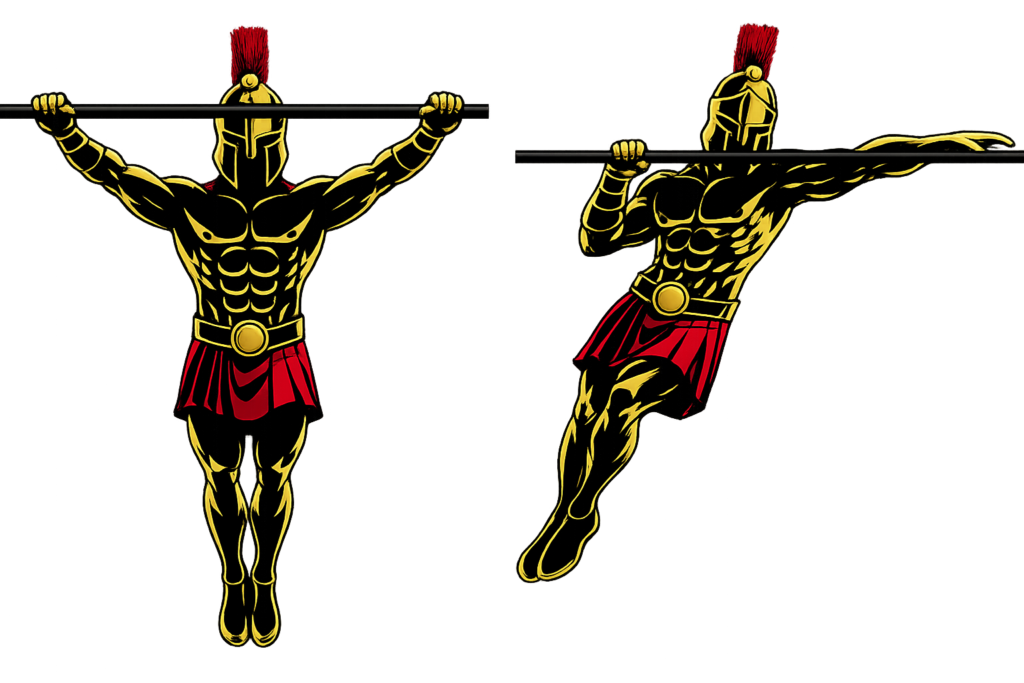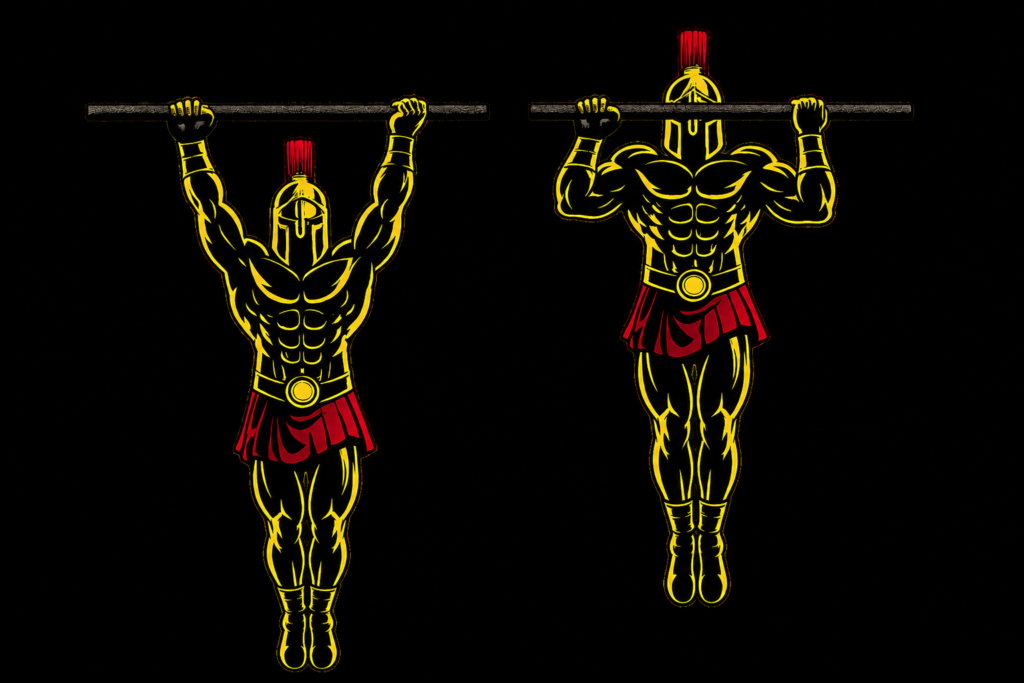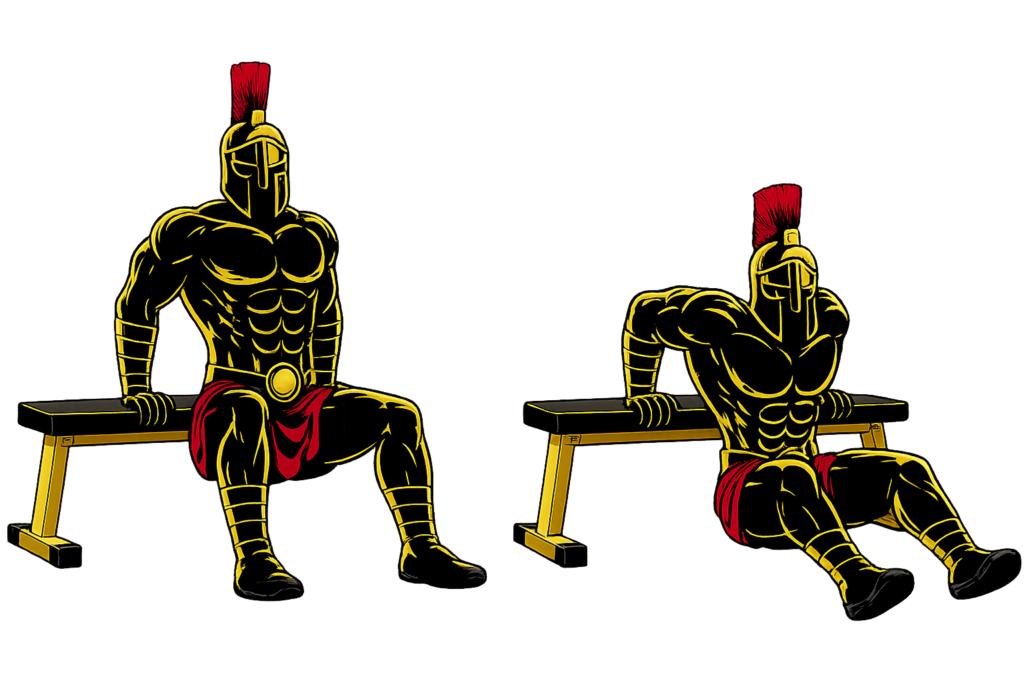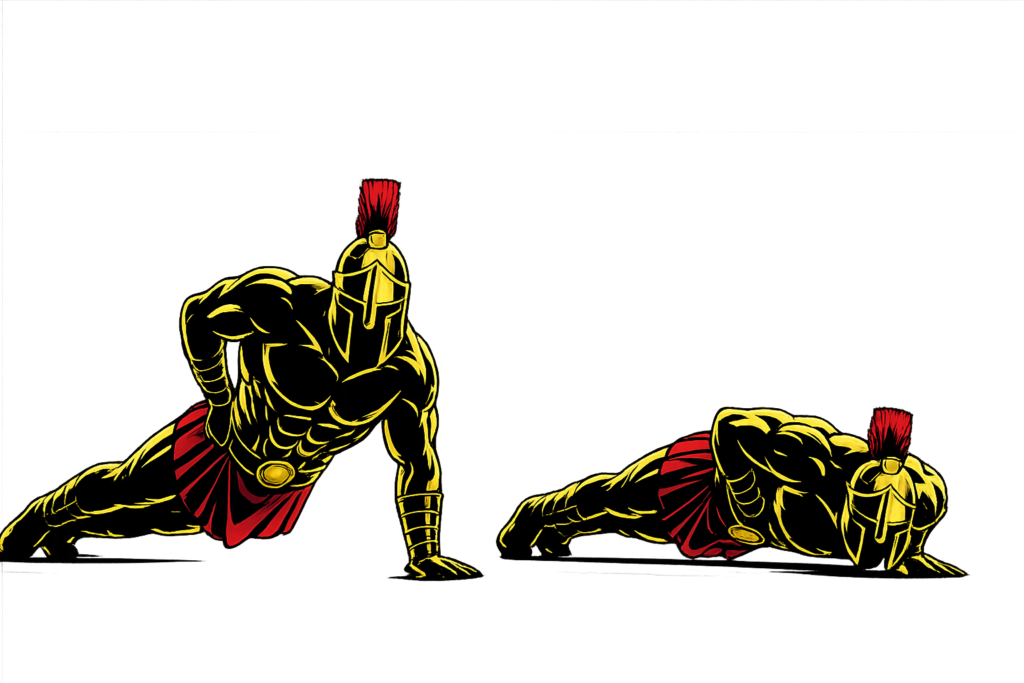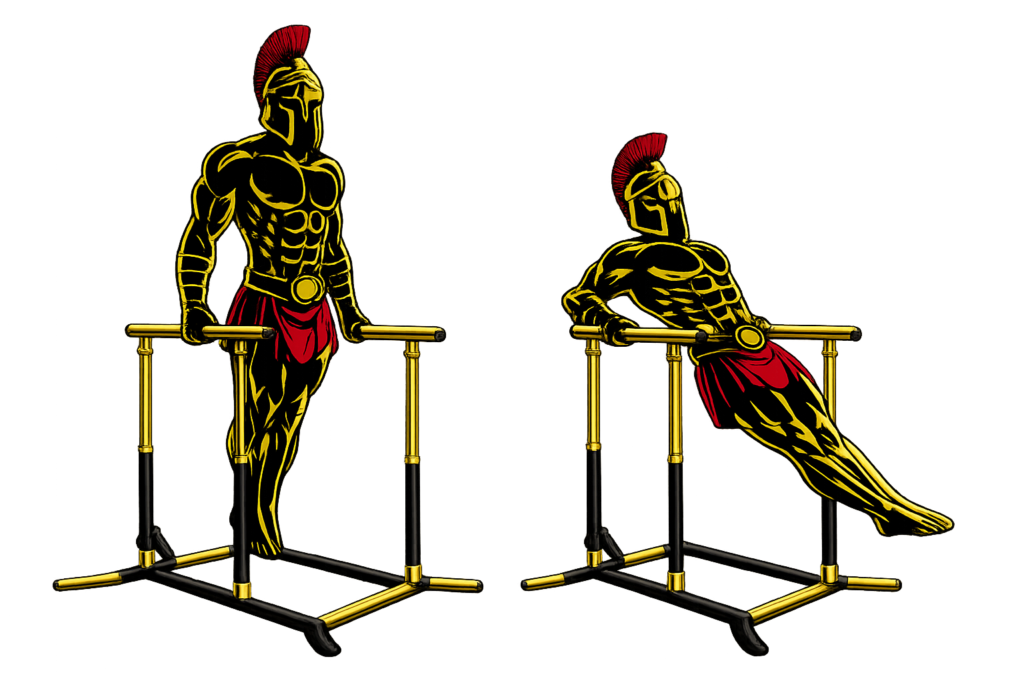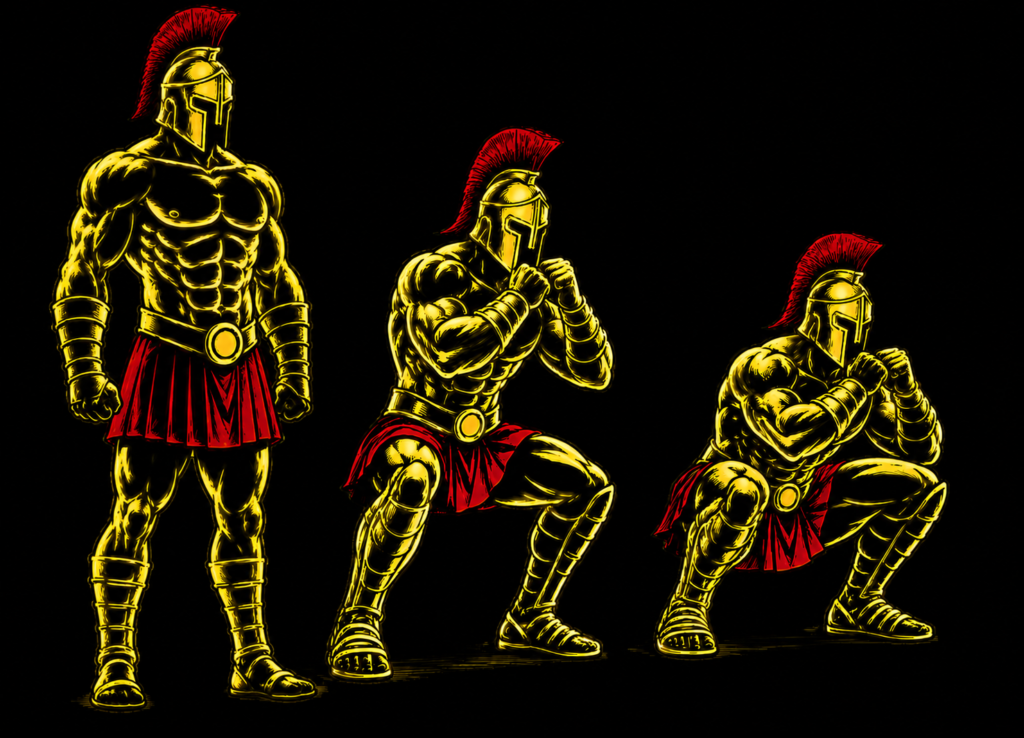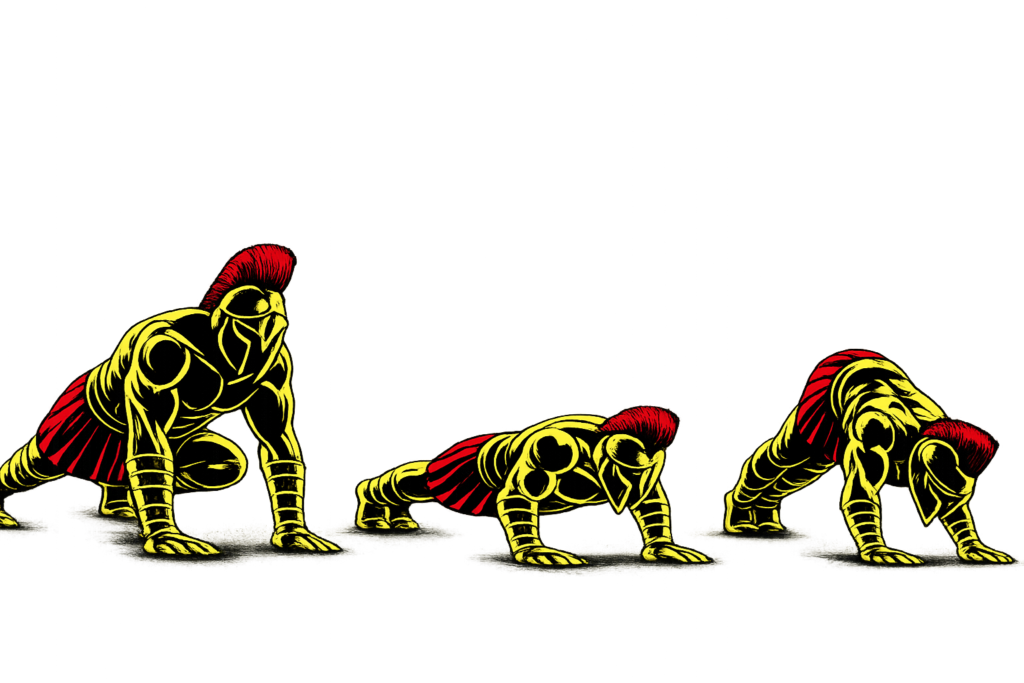
Best Pull-Up Bars for Home Workouts (2026) – Build Real Strength Fast

If you’re serious about building a strong back, powerful arms, and real grip strength…

You need ONE thing:

A pull-up bar.

No gym. No excuses.

But here’s the problem:

Most beginners either:

  • Buy the wrong bar
  • Or never start because they’re confused

This guide fixes that.


Quick Answer (Don’t Overthink It)

Want the BEST overall setup?
Go for the Wall-Mounted Pull-Up Bar with Rings
(More exercises = faster progress)

Want something simple and strong?
Go for the Classic Wall-Mounted Pull-Up Bar


Why a Pull-Up Bar is Non-Negotiable

A pull-up bar builds:

  • Back (lats = V-shape)
  • Arms (biceps + forearms)
  • Grip strength (critical for SSG-level strength)
  • Core stability

And the best part?

You can train every day at home


1. Wall-Mounted Pull-Up Bar with Rings (Best Overall)

Key Features:

  • Heavy-duty steel construction
  • Adjustable width
  • Includes resistance rings (BIG advantage)
  • Wall-mounted = maximum stability
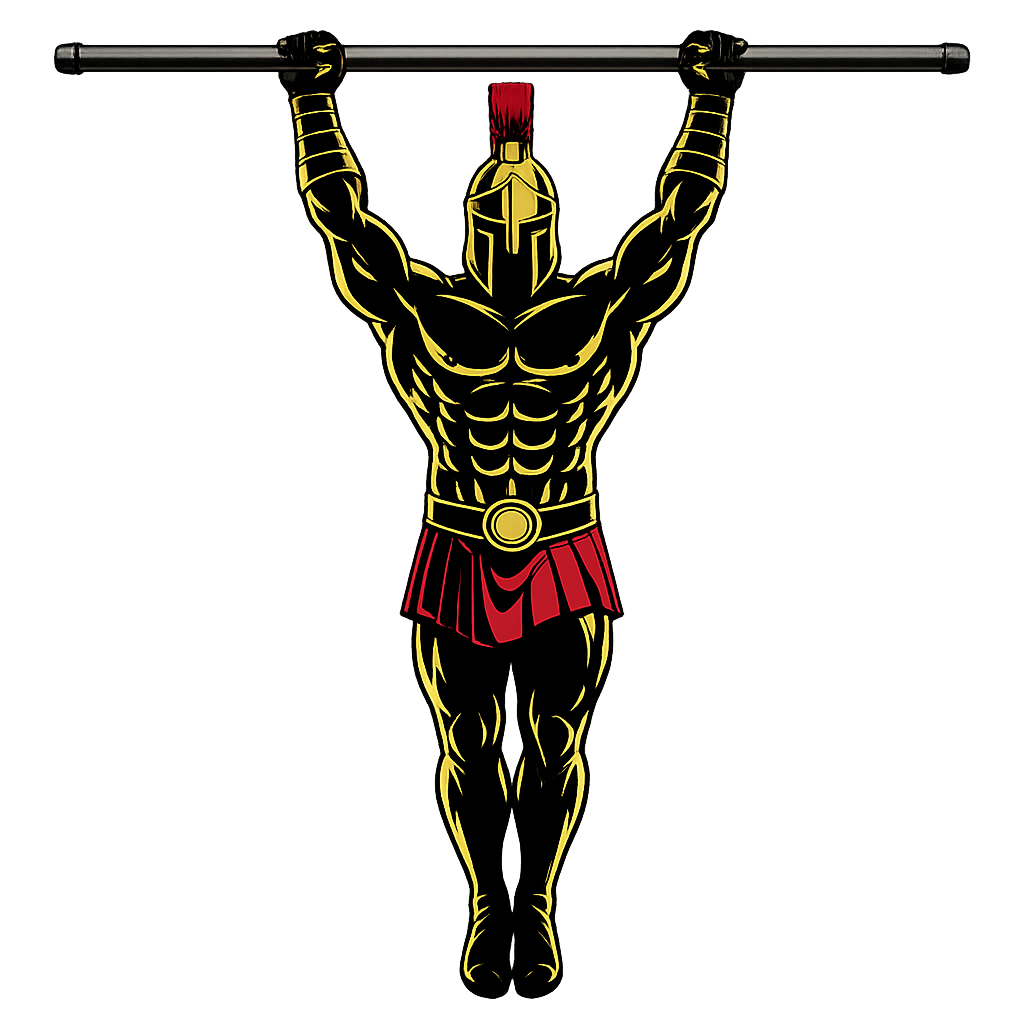
Photo of One of the best Pull-up Bars for Home Workouts

Why This One Wins:

This is not just a bar.

It’s a complete calisthenics setup

With rings, you unlock:

  • Ring rows
  • Hanging leg raises
  • Core work
  • Advanced holds

This means faster strength gains compared to a basic bar.

Pros:

Extremely stable
More exercises (huge advantage)
Long-term investment

Cons:

❌ Requires wall installation
❌ Not portable


2. Classic Wall-Mounted Pull-Up Bar (Simple & Strong)

Key Features:

  • Strong steel frame
  • Minimal design
  • Built for pull-ups & chin-ups
Photo of Second Best Pull-up Bars for Home Workouts

Why Choose This:

If you want:

“Just give me a solid bar that works.”

This is it.

No extras. No distractions.

Pros:

Strong and reliable
Clean setup
Great for beginners

Cons:

❌ No rings (less versatility)
❌ Requires installation


Comparison – Choose Your Weapon

FeatureBar with RingsClassic Bar
VersatilityHighMedium
ExercisesFull-bodyPull-ups only
StabilityExcellentExcellent
Best ForSerious trainingBeginners

Beginner Plan

Listen carefully—this is where most people fail.

Even with the BEST bar, you won’t progress if you don’t train smart.

Start with:

  • Assisted pull-ups (use bands)
  • Negative reps
  • Dead hangs

Train 3–4 times/week

That’s it.


Important Buying Advice

Before you click:

Make sure:

  • Your wall is strong enough (concrete/brick preferred)
  • You have space for full hanging movement
  • You actually plan to use it (discipline > equipment)

Final Verdict

Want maximum results?
Go for Bar with Rings

Want simple & effective?
Go for Classic Bar


Final Words

You don’t need a gym.

You don’t need fancy machines.

You need:

  • A pull-up bar
  • Consistency
  • Discipline

Install it.

Start today.

Fat-Loss Nutrition: What, How & When to Eat for Maximum Results

Fuel Like a Warrior. Burn Fat. Build Strength.


Introduction

Training is only half the battle.
If your nutrition is weak, your results will be weak.

Fat loss doesn’t come from starving yourself—it comes from strategic fueling that forces your body to burn fat while preserving (and even building) muscle.

This is your complete guide to eating like a warrior.


1. The Golden Rule of Fat Loss

To lose fat, you must be in a calorie deficit.

That means:

  • You burn more calories than you consume

But here’s where most people fail…

They cut calories too aggressively → lose muscle → slow metabolism → look worse.

Warrior Rule:
Lose fat. Keep muscle. Stay strong.


2. What to Eat

Protein (Your #1 Weapon)

Protein preserves muscle and increases fat loss.

Best Sources:

  • Eggs
  • Chicken
  • Beef
  • Fish
  • Daal (lentils)
  • Yogurt

Target:
1.6 – 2.2g per kg bodyweight daily

Carbohydrates (Fuel for Performance)

Carbs are NOT the enemy—they fuel your workouts.

Best Sources:

  • Rice
  • Roti
  • Oats
  • Potatoes
  • Fruits

Rule:
Eat carbs around training, not all day.

Fats (Hormone Control)

Healthy fats keep your body functioning properly.

Sources:

  • Nuts
  • Olive oil
  • Egg yolks

Keep moderate—not excessive.


3. How to Eat (Structure & Strategy)

The Perfect Plate Method

Each meal should look like:

  • 40% Protein
  • 30% Carbs
  • 30% Vegetables/Fats

Meal Frequency

You don’t need 6 meals a day.

3–4 solid meals are enough

Consistency matters more than timing.

Hydration Rule

  • 3–4 liters of water daily
  • More if you train hard

Dehydration slows fat loss.


4. Whento Eat (Timing for Maximum Fat Loss)

Pre-Workout (1–2 Hours Before)

  • Protein + Carbs
  • Example: Eggs + roti OR chicken + rice

Fuel your battle.

Post-Workout (Within 1 Hour)

  • Protein + fast-digesting carbs

Example:

  • Chicken + rice
  • Eggs + toast

Recover and rebuild.

Night Eating

  • Light protein-based meal
  • Avoid heavy carbs late at night

5. Fat-Loss Mistakes (Avoid These)

❌ Starving yourself
❌ Skipping protein
❌ Drinking calories (soft drinks, juices)
❌ Eating junk “in moderation” (it adds up)
❌ No consistency


6. Sample Fat-Loss Diet Plan

Meal 1 (Breakfast)

  • 3 Eggs
  • 1 Roti
  • Tea (no sugar)

Meal 2 (Lunch)

  • Chicken + Rice
  • Salad

Meal 3 (Pre/Post Workout)

  • Banana
  • Yogurt OR Eggs

Meal 4 (Dinner)

  • Chicken or Daal
  • Vegetables

7. Supplements (Optional, Not Required)

  • Whey Protein (only if needed)
  • Black Coffee (pre-workout boost)

Supplements don’t replace discipline.


8. The Warrior Formula

Fat loss comes down to:

  • Calorie deficit
  • High protein
  • Consistent training
  • Discipline

No shortcuts. No magic pills.


Final Word

Anyone can train hard.
Few can eat with discipline.

That’s why most people stay the same.

Control your diet… and you control your body. Learn more about Nutritionhere.

At-Gym Fat-Loss Program: The Warrior’s Protocol

Burn Fat. Build Power. Dominate the Battlefield.


Program Overview

  • Duration: 6 Weeks
  • Location: Full Gym Access
  • Goal: Maximum fat loss while preserving muscle
  • Training Style: Strength + HIIT(High Intensity Interval Training) + Conditioning

Core Principles of the Warrior System

1. Lift Heavy, Stay Lean
Heavy compound lifts preserve muscle during fat loss.

2. Train Like a Soldier
Minimal rest, maximum output.

3. Cardio with Purpose
No lazy jogging—everything is structured.

4. Finish Strong
Every workout ends with a fat-burning finisher.


Weekly Structure

DayFocus
MondayUpper Body + HIIT
TuesdayLower Body + Conditioning
WednesdayCardio + Core
ThursdayUpper Body Strength
FridayLower Body Strength
SaturdayFull-Body Fat Burn
SundayRest

Warm-Up Protocol (5–10 min)

  • Light treadmill jog (3–5 min)
  • Dynamic stretching
  • Arm circles × 20
  • Walking lunges × 15 each leg

Day 1 – Upper Body + HIIT

Strength (4 Sets Each):

  • Bench Press × 8–12
  • Lat Pulldown × 10–12
  • Dumbbell Shoulder Press × 10
  • Cable Rows × 10–12

HIIT Finisher:

  • Treadmill Sprint (30 sec ON / 60 sec OFF × 8 rounds)

Goal: Burn fat while maintaining upper-body mass.


Day 2 – Lower Body + Conditioning

Strength (4 Sets Each):

  • Squats × 8–12
  • Leg Press × 12
  • Romanian Deadlifts × 10
  • Calf Raises × 15

Conditioning:

  • Stair Climber × 10–15 min (moderate-high intensity)

Day 3 – Cardio + Core

Cardio:

  • Incline Walk or Jog (20–30 min)

Core Circuit (4 Rounds):

  • Hanging Leg Raises × 12
  • Cable Crunch × 15
  • Plank × 60 sec
  • Mountain Climbers × 40

Day 4 – Upper Body Strength

  • Incline Bench Press × 4 sets
  • Pull-ups × 4 sets
  • Lateral Raises × 3 sets
  • Tricep Pushdowns × 3 sets
  • Bicep Curls × 3 sets

Focus: Controlled reps, strict form, no ego lifting.


Day 5 – Lower Body Strength

  • Deadlifts × 4 sets
  • Lunges (Dumbbell) × 3 sets
  • Leg Curl Machine × 3 sets
  • Leg Extension × 3 sets

Day 6 – Full-Body Fat Burn (Brutal Day)

Circuit (5–6 Rounds):

  • Kettlebell Swings × 20
  • Burpees × 12
  • Battle Ropes × 30 sec
  • Push-ups × 20
  • Rowing Machine Sprint × 250m

Rest: 45–60 sec

This is where warriors are separated from civilians.


Progression Plan

WeekStrategy
1–2Learn form, moderate weights
3–4Increase weights + intensity
5–6Reduce rest + add extra sets

Cardio Strategy

  • HIIT: 2–3x/week
  • Steady-State: 1–2x/week
  • Steps Goal: 8,000–12,000 daily

Nutrition Rules (Cut Like a Warrior)

  • High protein (chicken, eggs, meat, potatoes)
  • Moderate carbs (rice, roti, oats)
  • Healthy fats (nuts, olive oil)
  • No sugar, no junk

Fat loss = calorie deficit + discipline.


Warrior Standards

  • No skipped workouts
  • Track weights & progress
  • Sleep 7–8 hours
  • Stay consistent for 6 weeks

Expected Results

  • Significant fat loss
  • Improved muscle definition
  • Increased strength
  • Better conditioning

Final Word

The gym is your battlefield.
The weights are your weapons.

You either dominate… or you stay the same.

At-Home Fat-Loss Program: The Warrior’s Protocol

Forge a Leaner, Faster, More Relentless Body — No Gym Required


Program Overview

This is not just a workout plan—this is a conditioning system designed to strip fat, build endurance, and sharpen mental discipline.


Core Principles of the Warrior System

1. Intensity Over Duration
Short, brutal sessions > long-lazy workouts.

2. Full-Body Domination
Every workout hits multiple muscle groups.

3. Progressive Overload
More reps, more rounds, more weight every week.

4. Discipline Wins
Consistency > motivation.


Weekly Structure

DayFocus
MondayStrength + Conditioning
TuesdayCardio + Core
WednesdayStrength (Upper Focus)
ThursdayActive Recovery
FridayStrength + Conditioning
SaturdayFat-Burning Circuit
SundayRest

Warm-Up Protocol (Daily – 5–8 min)


Day 1 & 5 – Strength + Conditioning

Circuit (4–6 Rounds):

Rest: 60–90 sec between rounds

Goal: Build strength while keeping heart rate high.


Day 2 – Cardio + Core

Cardio:

  • 1–2 Mile Run (progressively faster)

Core Circuit (3–4 Rounds):


Day 3 – Upper Body Strength

Focus: Controlled reps, strict form.


Day 4 – Active Recovery

  • Light Jog or Walk (15–20 min)
  • Stretching / Mobility
  • Optional: Easy core work

Day 6 – Fat-Burning Circuit (Brutal Day)

Complete 5–7 Rounds:

Rest: 45–60 sec


Progression Plan (6 Weeks)

WeekIntensity
1–2Learn form, moderate pace
3–4Increase reps + rounds
5–6Add weight + reduce rest

Nutrition Rules (Fat Loss Fuel)

  • Eat high protein (eggs, chicken, potatoes)
  • Cut sugar & junk food
  • Drink 3–4 liters of water daily
  • Eat slightly below maintenance calories

No diet discipline = no fat loss. Simple.


Warrior Standards

  • Train 6 days/week
  • Sleep 7+ hours
  • No missed sessions
  • Track progress weekly

Expected Results (6 Weeks)

  • Noticeable fat loss
  • Improved stamina
  • Stronger core & upper body
  • Faster run time

Final Word

This program isn’t designed for comfort.
It’s designed to transform you into someone harder to kill, harder to break, and impossible to ignore.

You don’t need a gym.
You need discipline.

At-Gym Advanced PPL Training Plan Plan (Push-Pull-Legs)

Take your physique and performance to the next level with this Advanced PPL Training Plan, designed for serious lifters. This guide includes high-volume workouts, progressive overload strategies, and essential pre- and post-workout stretching to maximize gains and prevent injuries.


What is a Push-Pull-Legs (PPL) Split?

The Push-Pull-Legs split is one of the most effective training systems for advanced athletes. It divides workouts into:

  • Push Day – Chest, shoulders, triceps
  • Pull Day – Back, biceps
  • Leg Day – Quads, hamstrings, glutes, calves

Why It Works

  • High training frequency (2x per week per muscle group)
  • Better recovery management
  • Allows heavy + hypertrophy work combination

Weekly Training Structure

  • Day 1: Push (Heavy)
  • Day 2: Pull (Heavy)
  • Day 3: Legs (Heavy)
  • Day 4: Rest / Active Recovery
  • Day 5: Push (Hypertrophy)
  • Day 6: Pull (Hypertrophy)
  • Day 7: Legs (Hypertrophy)

Before Workout Stretching (Dynamic Warm-Up)

Do this BEFORE every workout (5–10 minutes)

1. Arm Circles (Push/Pull Days)

  • 20 reps forward + 20 backward

2. Leg Swings (Leg Day)

  • 15 reps each leg (front & side)

3. World’s Greatest Stretch

  • 8 reps each side

4. Hip Circles

  • 15 reps each direction

5. Light Cardio

  • 3–5 minutes (treadmill, skipping, cycling)

Purpose: Increase blood flow, activate muscles, reduce injury risk


PUSH DAY

Heavy Push (Day 1)

  • Barbell Bench Press – 5×5
  • Overhead Press – 4×6
  • Incline Dumbbell Press – 4×8
  • Weighted Dips – 3×8–10
  • Lateral Raises – 4×12–15
  • Skull Crushers – 3×10–12

Hypertrophy Push (Day 5)

  • Incline Barbell Press – 4×10
  • Machine Chest Press – 4×12
  • Arnold Press – 3×10–12
  • Cable Flys – 3×15
  • Triceps Rope Pushdown – 4×12–15

PULL DAY

Heavy Pull (Day 2)

  • Deadlifts – 5×5
  • Weighted Pull-Ups – 4×6–8
  • Barbell Rows – 4×8
  • Face Pulls – 3×12–15
  • Barbell Curls – 3×10

Hypertrophy Pull (Day 6)

  • Lat Pulldown – 4×10–12
  • Seated Cable Row – 4×12
  • Dumbbell Rows – 3×12
  • Rear Delt Flys – 3×15
  • Hammer Curls – 3×12

LEG DAY

Heavy Legs (Day 3)

  • Barbell Squats – 5×5
  • Romanian Deadlifts – 4×8
  • Leg Press – 4×10
  • Walking Lunges – 3×12 each leg
  • Standing Calf Raises – 5×15

Hypertrophy Legs (Day 7)

  • Hack Squat / Front Squat – 4×10
  • Leg Extensions – 4×15
  • Hamstring Curls – 4×12–15
  • Bulgarian Split Squats – 3×12
  • Seated Calf Raises – 5×15–20

After Workout Stretching (Static Cooldown)

Do this AFTER every workout (5–10 minutes)

1. Chest Stretch (Push Days)

  • Hold 20–30 sec

2. Lat Stretch (Pull Days)

  • Hold 20–30 sec

3. Hamstring Stretch (Leg Day)

  • Hold 30 sec

4. Quad Stretch

  • Hold 20–30 sec

5. Child’s Pose

  • Hold 30–60 sec

Purpose: Improve flexibility, reduce soreness, speed recovery


Advanced Training Tips

  • Progressive Overload: Increase weight or reps weekly
  • Train Close to Failure: 1–2 reps in reserve (RIR)
  • Deload Every 6–8 Weeks
  • Rest Time:
    • Heavy lifts → 2–3 min
    • Hypertrophy → 60–90 sec

Final Thoughts

This Advanced PPL Training Plan is built for serious lifters aiming for strength, size, and athletic performance. Combined with proper stretching, it ensures maximum gains with minimal injury risk.

Stay consistent, track your progress, and train like a warrior.

At-Gym Intermediate PPL Workout Plan (Push-Pull-Legs)

Take your training to the next level with this intermediate PPL workout plan. Designed for muscle growth, strength, and athletic performance, this routine balances volume, intensity, and recovery—perfect for lifters who have already built a solid foundation.


What Is a PPL Workout Split?

A Push Pull Legs (PPL) split divides your workouts into 3 categories:

  • Push → Chest, Shoulders, Triceps
  • Pull → Back, Biceps, Rear Delts
  • Legs → Quads, Hamstrings, Glutes, Calves

Ideal frequency: 6 days/week (PPL x2) or 3–4 days/week (rotational)


Weekly Workout Structure

Option 1 (Recommended):

  • Day 1 – Push
  • Day 2 – Pull
  • Day 3 – Legs
  • Day 4 – Push
  • Day 5 – Pull
  • Day 6 – Legs
  • Day 7 – Rest

Option 2 (Moderate):

  • 3–4 days/week (rotate PPL)

Pre-Workout Warm-Up Routine (10–12 mins)

1. General Warm-Up (3–5 mins)

  • Jump rope/treadmill jog
  • Rowing machine (light)

2. Dynamic Mobility (5–7 mins)

  • Arm circles – 15 reps each direction
  • Hip circles – 10 reps
  • Walking lunges with twist – 10 reps/leg
  • Bodyweight squats – 15 reps
  • Leg swings – 10 reps each

3. Activation (Optional but powerful)

  • Resistance band pull-aparts – 15 reps
  • Glute bridges – 15 reps

Push Day (Chest, Shoulders, Triceps)

1. Barbell Bench Press – 4 sets × 6–8 reps
2. Incline Dumbbell Press – 3 sets × 8–10 reps
3. Overhead Shoulder Press (Barbell/Dumbbell) – 3 sets × 6–8 reps
4. Dumbbell Lateral Raises – 3 sets × 12–15 reps
5. Cable Chest Fly – 3 sets × 10–12 reps
6. Triceps Pushdown – 3 sets × 10–12 reps
7. Overhead Triceps Extension – 2–3 sets × 10–12 reps


Pull Day (Back, Biceps, Rear Delts)

1. Deadlift – 3–4 sets × 4–6 reps
2. Lat Pulldown / Pull-Ups – 3 sets × 8–10 reps
3. Seated Cable Row – 3 sets × 8–10 reps
4. Face Pulls – 3 sets × 12–15 reps
5. Barbell Curl – 3 sets × 8–10 reps
6. Hammer Curl – 2–3 sets × 10–12 reps


Leg Day (Quads, Hamstrings, Glutes, Calves)

1. Barbell Squat – 4 sets × 6–8 reps
2. Romanian Deadlift – 3 sets × 8–10 reps
3. Leg Press – 3 sets × 10–12 reps
4. Walking Lunges – 3 sets × 10 reps/leg
5. Leg Curl Machine – 3 sets × 10–12 reps
6. Standing Calf Raises – 4 sets × 12–15 reps


Post-Workout Stretching Routine (8–10 mins)

Hold each stretch for 20–30 seconds

  • Chest stretch (doorway)
  • Shoulder cross-body stretch
  • Seated hamstring stretch
  • Standing quad stretch
  • Calf stretch (wall)
  • Child’s pose

Helps reduce soreness, improve flexibility, and speed recovery.


Progression Strategy (IMPORTANT)

To actually grow (not just survive workouts):

  • Increase weight when you hit max reps
  • Add 1–2 reps each week
  • Focus on controlled form (2–3 sec eccentric)
  • Rest:
    • Heavy lifts → 2–3 mins
    • Isolation → 60–90 sec

Nutrition & Recovery Tips

  • Protein: 1.6–2.2g per kg bodyweight
  • Sleep: 7–8 hours minimum
  • Hydration: 3–4L daily
  • Deload every 6–8 weeks

Final Thoughts

This Intermediate PPL plan is one of the most effective systems for building a strong, aesthetic, and athletic body. Stay consistent, push intensity smartly, and track your progress.

Train hard. Recover harder. Dominate.

How to Do a Side Plank Correctly: Step-by-Step Guide for Beginners

Learn how to do a side plank with perfect form, avoid common mistakes, and discover the best variations to build a strong, stable core.

The side plank is one of the most effective bodyweight exercises for developing core stability, strengthening the obliques, and improving overall balance. Whether you are training for military fitness tests, calisthenics, or athletic performance, mastering the side plank is essential.


What Is a Side Plank?

A side plank is a bodyweight exercise where you support your body on one forearm (or hand) while keeping your body in a straight line from head to feet.

Unlike traditional planks, the side plank specifically targets the obliques and lateral core muscles.

Side planks are commonly used in:

  • Core strengthening workouts
  • Rehabilitation and injury prevention programs
  • Athletic performance training
  • Military fitness routines

This exercise builds real core stability that translates directly into strength and balance.

Benefits of Side Planks

• Strengthens obliques and lateral core
• Improves balance and stability
• Enhances posture and spinal support
• Reduces risk of lower back injuries
• Builds core endurance
• Essential for military and tactical fitness

Few exercises target the side core as effectively as the side plank.

Muscles Worked in Side Planks

Side planks activate multiple core and stabilizing muscles.

Primary Muscles

• Obliques (Internal and External)
• Transverse Abdominis

Secondary Muscles

• Rectus Abdominis
• Glutes
• Shoulders (Deltoids)
• Lower Back Stabilizers

This makes the side plank highly effective for building a strong, balanced core.


How to Do a Side Plank (Step-by-Step)

Step 1: Position Your Body

Lie on your side with your legs extended and stacked on top of each other.

Place your forearm directly under your shoulder.

Tip: Keep your elbow aligned with your shoulder to avoid strain.

Step 2: Lift Your Hips

Push through your forearm and lift your hips off the ground.

• Body forms a straight line
• Core is engaged
• Neck stays neutral

Step 3: Hold the Position

Maintain the side plank position while keeping:

• Hips elevated
• Core tight
• Body aligned

Avoid letting your hips drop.

Warrior showcasing How to do a Side Plank with correct form

Step 4: Breathe and Stay Controlled

Breathe steadily while holding the position.

Do not hold your breath — controlled breathing improves endurance.

Step 5: Lower With Control

Slowly lower your hips back to the ground.

Switch sides and repeat.


Side Plank Form Checklist

Use this checklist to ensure perfect form:

Keep your body in a straight line
Engage your core and glutes
Keep your elbow under your shoulder
Avoid dropping your hips
Maintain steady breathing

Perfect form builds stability and prevents injury.


Common Side Plank Mistakes

Dropping the Hips

Problem: Reduces core activation.

Fix: Keep hips lifted and body aligned.

Shoulder Misalignment

Problem: Causes shoulder strain.

Fix: Keep your elbow directly under your shoulder.

Twisting the Body

Problem: Reduces effectiveness.

Fix: Keep your chest facing forward and body stacked.

Holding Breat

Problem: Reduces endurance.

Fix: Breathe steadily throughout the hold.

Short Hold Times

Problem: Limits progress.

Fix: Gradually increase hold duration.


Side Plank Variations

Once you master the basic side plank, these variations can increase difficulty and effectiveness.

Bent-Knee Side Plank (Beginner Variation)

An easier version for beginners.

How to Do Bent-Knee Side Plank

• Bend your knees at 90 degrees
• Lift hips while keeping knees on the ground
• Maintain a straight line from head to knees

Side Plank with Leg Raise

Adds intensity and balance challenge.

How to Do Side Plank with Leg Raise

• Perform a standard side plank
• Raise your top leg upward
• Keep movement controlled

High Side Plank (Straight Arm)

Increases shoulder engagement.

How to Do High Side, Plank

• Support your body on your hand instead of your forearm
• Keep arm fully extended
• Maintain full-body alignment

Weighted Side Plank

Adds resistance for advanced strength.

How to Do Weighted Side Plank

• Place a lightweight on your hip
• Hold the side plank position
• Maintain strict form


Final Thoughts

The side plank is one of the most effective core stability exercises you can master.

It builds:

• Oblique strength
• Core stability
• Balance and coordination
• Shoulder stability
• Functional athletic strength

Progress may feel difficult at first, especially when holding the position for longer durations. However, with consistent training and proper form, your endurance and stability will steadily improve.

Focus on control and alignment.

A warrior builds strength from the core — solid and unbreakable.


Side Plank FAQ

Q1: How long should beginners hold a side plank?
Beginners can start with 15–30 seconds per side. Gradually increase to 45–60 seconds as strength improves.

Q2: Are side planks better than regular planks?
Both are effective. Side planks target the obliques more, while regular planks focus on the entire core.

Q3: How often should I do side planks?
You can train side planks 3–5 times per week as part of your core routine, depending on recovery.

How to Do Flutter Kicks Correctly: Step-by-Step Guide for Beginners

Learn how to do flutter kicks with perfect form, avoid common mistakes, and discover the best variations to build a strong, defined core.

Flutter kicks are one of the most effective bodyweight exercises for developing core strength, improving endurance, and building lower abdominal definition. Whether you are training for military fitness tests, calisthenics, or athletic performance, mastering flutter kicks is essential.


What Are Flutter Kicks?

Flutter kicks are a bodyweight core exercise where you lie on your back and alternate lifting your legs up and down in a controlled kicking motion.

This movement primarily targets the lower abs while also engaging the hip flexors and stabilizing muscles.

Flutter kicks are commonly used in:

  • Military fitness training
  • Core strengthening workouts
  • Endurance and conditioning programs
  • Athletic performance training

Unlike many ab exercises, flutter kicks build core endurance and control, which is crucial for real-world performance.

Benefits of Flutter Kicks

• Strengthens lower abdominal muscles
• Improves core endurance
• Enhances hip flexor strength
• Supports better posture and stability
• Builds muscular control and coordination
• Essential for military and tactical fitness tests

Few exercises challenge the lower abs as effectively as flutter kicks.

Muscles Worked in Flutter Kicks

Primary Muscles

• Lower Abdominals
• Rectus Abdominis

Secondary Muscles

• Hip Flexors
• Obliques
• Quadriceps
• Lower Back Stabilizers

This makes flutter kicks highly effective for building a strong, stable core.


How to Do Flutter Kicks (Step-by-Step)

Step 1: Lie Flat on the Ground

Lie on your back with your legs fully extended and arms placed by your sides or under your hips for support.

Tip: Keep your lower back pressed into the ground.

Step 2: Lift Your Legs Slightly Off the Ground

Raise both legs a few inches off the ground.

• Keep legs straight
• Toes pointed forward
• Core engaged

This is your starting position.

Step 3: Begin the Kicking Motion

Alternate lifting one leg up while the other lowers slightly.

• Keep movements small and controlled
• Do not let your heels touch the ground

Step 4: Maintain Core Engagement

Throughout the movement:

• Keep your core tight
• Lower back stays pressed down
• Avoid arching your spine

Step 5: Control the Movement

Continue alternating kicks in a steady rhythm.

Avoid rushing — controlled reps build more strength and endurance.


Flutter Kicks Form Checklist

Use this checklist to ensure perfect form:

Keep your lower back pressed into the ground
Engage your core throughout
Use small, controlled kicks
Keep legs straight
Avoid letting heels touch the ground

Perfect form builds stronger abs and prevents injury.


Common Flutter Kicks Mistakes

Arching the Lower Back

Problem: Reduces core activation and causes strain.

Fix: Keep your lower back pressed firmly into the ground.

Kicking Too Fast

Problem: Reduces control and effectiveness.

Fix: Use a slow, controlled tempo.

Raising Legs Too High

Problem: Shifts focus away from lower abs.

Fix: Keep legs low to maximize core tension.

Bending the Knees

Problem: Reduces tension on the abs.

Fix: Keep legs straight throughout the movement.

Not Engaging the Core

Problem: Turns it into a leg exercise.

Fix: Actively tighten your abs during every rep.


Flutter Kick Variations

Once you master basic flutter kicks, these variations can increase difficulty and effectiveness.

Scissor Kicks

Scissor kicks involve crossing your legs over each other, increasing core engagement.

How to Do Scissor Kicks

• Lift legs slightly off the ground
• Cross one leg over the other alternately
• Keep movements controlled

Elevated Flutter Kicks

This variation increases difficulty by raising your upper body.

How to Do Elevated Flutter Kicks

• Lift your shoulders slightly off the ground
• Perform flutter kicks while holding the crunch position
• Keep your core tight

Weighted Flutter Kicks

Adds resistance for increased strength.

How to Do Weighted Flutter Kicks

• Place light ankle weights or hold a small weight between your feet
• Perform controlled kicks
• Maintain strict form

Bent-Knee Flutter Kicks (Beginner Variation)

Easier version for beginners.

How to Do Bent-Knee Flutter Kicks

• Slightly bend your knees
• Perform smaller kicks
• Focus on core engagement


Final Thoughts

Flutter kicks are one of the most powerful core exercises you can master.

They build:

• Lower ab strength
• Core endurance
• Hip flexor strength
• Stability and control
• Functional athletic performance

Progress may feel challenging at first, especially for beginners. However, with consistent training and proper form, your core strength will steadily improve. Learn more about Core Workouts here.

Focus on control, not speed.

A warrior trains the core with discipline — not shortcuts.


Flutter Kicks FAQ

Q1: How long should beginners do flutter kicks?
Beginners can start with 20–30 seconds per set. Gradually increase to 45–60 seconds as strength improves.

Q2: Are flutter kicks good for abs?
Yes, flutter kicks are excellent for targeting the lower abs and building core endurance.

Q3: How often should I do flutter kicks?
You can train flutter kicks 3–5 times per week as part of your core routine. Ensure proper recovery and avoid overtraining.

How to Do Russian Twists Correctly: Step-by-Step Guide for Beginners

Russian Twists are one of the most effective core exercises for building strong, defined abs—especially the obliques. This movement not only improves your physique but also enhances rotational strength, which is crucial for athletic performance, combat training, and overall stability.


What Are Russian Twists?

Russian Twists are a seated core exercise where you rotate your torso from side to side while maintaining balance. The movement targets your obliques and deep core muscles, helping develop both strength and control.

Benefits of Russian Twists

  • Builds strong and defined obliques
  • Improves rotational strength and power
  • Enhances core stability and balance
  • Supports athletic and combat performance
  • Can be done anywhere with minimal equipment

Muscles Worked

Primary Muscles
  • Obliques
Secondary Muscles
  • Rectus Abdominis (Abs)
  • Transverse Abdominis (Deep Core)
  • Hip Flexors
  • Lower Back (Stabilizers)

How to Do Russian Twists Properly (Step-by-Step)

  1. Sit on the ground with your knees bent and feet flat
  2. Lean back slightly while keeping your back straight
  3. Engage your core and lift your feet slightly (optional)
  4. Clasp your hands together or hold a weight
  5. Rotate your torso to one side, bringing your hands beside your hip
  6. Return to the center, then rotate to the opposite side
  7. Continue alternating in a slow, controlled motion
Warrior showcasing Russian Twists with proper form

Proper Form Checklist

  • Keep your back straight (avoid rounding)
  • Engage your core throughout the movement
  • Move your torso—not just your arms
  • Keep your chest up and shoulders relaxed
  • Breathe out as you twist

Common Russian Twists Mistakes (And How to Fix Them)

Rounding your lower back
Fix: Keep your chest up and maintain a neutral spine.

Swinging arms instead of rotating the torso
Fix: Focus on twisting your torso, not just moving your hands.

Going too fast and losing control
Fix: Slow down and perform each rep with control.

Not engaging the core properly
Fix: Brace your abs before starting each repetition.

Letting your feet move excessively
Fix: Keep your feet stable or controlled throughout the movement.


Variations of Russian Twists

1. Bodyweight Russian Twists (Beginner)

  • Keep your feet on the ground
  • Focus on slow and controlled movement
  • Build balance and core activation

2. Weighted Russian Twists

  • Hold a dumbbell, plate, or medicine ball
  • Keep the weight close to your body
  • Rotate fully for maximum oblique engagement

3. Elevated Feet Russian Twists

  • Lift your feet off the ground
  • Balance on your glutes
  • Keep movements controlled to avoid swinging

4. Decline Russian Twists (Advanced)

  • Perform on a decline bench
  • Maintain tight core control
  • Increase difficulty and resistance

Final Thoughts

Russian Twists are a simple yet powerful exercise for developing a strong, stable, and athletic core. When performed with proper form and progression, they can significantly improve both your physique and performance. Learn more about Core Workouts here.


FAQ

Q1: Should beginners lift their feet off the ground?
No, beginners should keep their feet on the ground to maintain balance and proper form.

Q2: Can Russian Twists reduce belly fat?
They help build core muscles, but fat loss comes from overall calorie control and training.

Q3: Should I use weights for Russian Twists?
Only after mastering bodyweight form should you gradually add resistance.

How to Do Bulgarian Split Squats Correctly: Step-by-Step Guide for Beginners

Learn how to do Bulgarian split squats correctly with this step-by-step beginner guide. Build powerful legs, improve balance, and develop single-leg strength with proper form.


What are Bulgarian Split Squats?

Bulgarian split squats are a single-leg lower-body exercise where your rear foot is elevated on a bench, chair, or platform while the front leg performs the squat.

This movement places intense focus on one leg at a time, making it highly effective for building strength, balance, and correcting muscle imbalances. It also increases stability and mobility in the hips and knees.

Bulgarian split squats are one of the best exercises for athletes, runners, and military training, as they develop functional leg strength and control.

Benefits of Bulgarian Split Squats

  • Builds strong quads, glutes, and hamstrings
  • Improves balance and coordination
  • Corrects muscle imbalances between legs
  • Enhances athletic performance and running power
  • Increases hip mobility and stability
  • Requires minimal equipment — perfect for home workouts

Muscles Worked

Primary Muscles
  • Quadriceps
  • Glutes
Secondary Muscles
  • Hamstrings
  • Calves
  • Hip flexors
  • Core (stabilization)
  • Hip stabilizers

Step-by-Step: How to Do Bulgarian Split Squats Properly

Step 1: Setup

  • Stand a few feet in front of a bench or elevated surface
  • Place one foot behind you on the bench
  • Keep your front foot flat on the ground
  • Stand tall with your chest up

Step 2: Starting Position

  • Keep your torso upright
  • Engage your core
  • Look straight ahead
  • Keep your balance steady

Step 3: Lower Your Body

  • Bend your front knee and lower your body
  • Your back knee moves toward the ground
  • Keep your front knee aligned with your toes
  • Lower until your front thigh is about parallel
Warrior showcasing Bulgarian Split Squats

Step 4: Push Back Up

  • Drive through your front heel
  • Extend your front leg to stand back up
  • Keep your balance controlled
  • Repeat for reps, then switch legs

Proper Form Checklist

  • Keep your torso upright
  • Front knee aligned with toes
  • Move slowly and with control
  • Core tight throughout
  • Push through the front heel
  • Maintain balance and stability

Common Bulgarian Split Squat Mistakes (And How to Fix Them)

Front Knee Going Too Far Forward
Fix: Step slightly farther away from the bench.

Leaning Too Far Forward
Fix: Keep your chest up and spine neutral.

Losing Balance
Fix: Slow down and focus on control.

Pushing Off the Back Leg
Fix: Focus on driving through the front leg.

Shallow Range of Motion
Fix: Lower until your front thigh is parallel to the ground.


Bulgarian Split Squat Variations

Bodyweight Bulgarian Split Squats

  • Perform the movement using only your body weight
  • Focus on balance and perfect form
  • Control both the lowering and lifting phases

Dumbbell Bulgarian Split Squats

  • Hold a dumbbell in each hand at your sides
  • Perform the squat while maintaining balance
  • Keep your torso upright and controlled

Barbell Bulgarian Split Squats

  • Place a barbell across your upper back
  • Keep your core tight and posture stable
  • Lower and push up with control

Resistance Band Bulgarian Split Squats

  • Stand on a resistance band with your front foot
  • Hold the band handles at shoulder level
  • Perform the movement while maintaining tension

Beginner Bulgarian Split Squat Progressions

If you’re new, start with:

  • Bodyweight only
  • Shorter range of motion
  • Using support (wall or chair for balance)

To make it harder:

  • Add dumbbells or a backpack
  • Increase depth
  • Slow down the tempo
  • Add pauses at the bottom

Final Thoughts

Bulgarian split squats are one of the most powerful lower-body exercises you can do. They build strength, improve balance, and develop real single-leg power.

Focus on control, proper form, and gradual progression. Don’t rush the movement — master it. Strong legs are built one rep at a time. Learn more about Leg Workouts here.

Train like a warrior, and dominate your lower-body strength.


FAQ

Q1: Are Bulgarian split squats better than regular squats?
They are excellent for single-leg strength and balance, while squats build overall leg mass.

Q2: Why do I feel this more in my quads than in myglutes?
Your stance may be too short. Step further forward to engage your glutes more.

Q3: Can beginners do Bulgarian split squats?
Yes, but start with bodyweight and focus on balance first.