How to Do a Pike Push-Up Correctly: Step-by-Step Guide for Beginners

Learn how to perform a pike push-up correctly with this beginner-friendly step-by-step guide. Avoid common mistakes and master Proper form.


What Is a Pike Push-Up?

The pike push-up is a bodyweight exercise that primarily targets the shoulders, while also engaging the upper chest, triceps, and core. It is one of the best beginner exercises to build strength for advanced movements like handstand push-ups.

For warriors training at home, the pike push-up develops overhead pushing strength, shoulder stability, and total-body control without any equipment.

Benefits of Pike Push-Ups

  • Builds strong shoulders for push and overhead movements
  • Improves upper-body endurance
  • Strengthens the core and stabilizers
  • Prepares you for handstand push-ups
  • Perfect for home training and military-style fitness

Muscles Worked

Primary Muscles

  • Shoulders (Deltoids)

Secondary Muscles

  • Upper chest
  • Triceps
  • Core
  • Upper back

How to Do a Pike Push-Up

Step 1: Start Position

  • Begin in a push-up position.
  • Place your hands shoulder-width apart.
  • Keep your arms straight and core tight.

Step 2: Form the Pike

  • Keep your legs straight if possible.
  • Walk your feet toward your hands.
  • Lift your hips high so your body forms an inverted “V” shape.
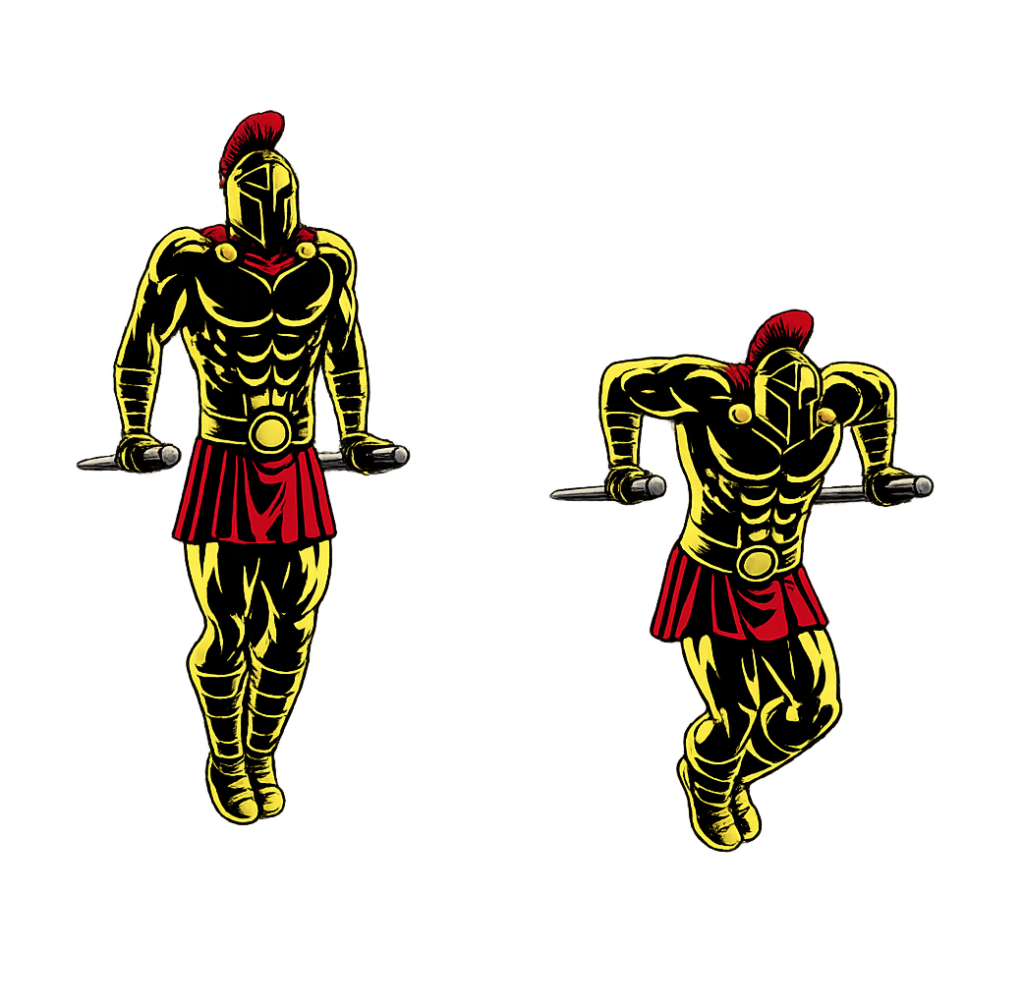
Warrior doing a Pike Push-up

Step 3: Lower Your Head

  • Bend your elbows and lower your head toward the floor.
  • Your head should move slightly forward, not straight down.
  • Keep your core tight and hips elevated.

Step 4: Push Back Up

  • Press through your hands.
  • Straighten your arms to return to the starting position.
  • Maintain control throughout the movement.

Beginner Target: 3 sets of 6–10 reps.

Warrior doing a progressive Pike Push-up

Pike Push-Up Proper Form Checklist

  • High Hip Position – Keep your hips lifted so your body forms a strong inverted “V” shape.
  • Core Engaged – Brace your abs and keep your spine neutral to avoid rounding or arching your back.
  • Elbows Slightly Tucked – Keep elbows at a 30–45° angle from your body, not flared wide.
  • Head Moves Forward – Lower your head toward the floor slightly in front of your hands, not straight down.
  • Controlled Movement – Lower slowly and press up smoothly without using momentum.

Common Pike Push-Up Mistakes (And How to Fix Them)

Dropping the hips too low (turns it into a regular push-up)
Fix: Walk your feet closer to your hands and keep your hips high to maintain the inverted “V” position.

Bending the back instead of keeping a strong inverted “V”
Fix: Engage your core and keep your spine neutral as you push your hips upward.

Flaring the elbows too wide
Fix: Keep your elbows at about a 30–45° angle from your body to protect your shoulders.

Moving too fast without control
Fix: Lower slowly and press up smoothly to maintain tension and proper form.

Placing the head straight down instead of slightly forward
Fix: Lower your head forward toward the space in front of your hands, not directly between them.

Holding the breath during reps
Fix: Inhale as you lower and exhale as you push back up to maintain steady breathing.

Focus on control and proper form, not speed.


Beginner Progressions

If the full pike push-up feels difficult:

  • Elevated Hands: Place hands on a bench or chair.
  • Bent Knees: Slightly bend your knees to reduce load.
  • Wall Support: Perform pike push-ups with feet against a wall.

Final Thoughts

The pike push-up is one of the most powerful bodyweight exercises for building shoulder strength, upper-body control, and core stability at home. Mastering the movement step by step not only improves your pressing strength but also prepares your body for advanced skills like handstand push-ups and military-style training.

Perfect the basics, strengthen your foundation, and progress with purpose. Your strength is built one correct rep at a time. Consistency, patience, and discipline will deliver better results than speed. Learn more about Push Workouts here.


FAQ

1. How many pike push-ups should a beginner do?
Start with 3 sets of 6–10 reps. Increase reps gradually as your strength improves.

2. What if I can’t lift my hips high enough?
Move your feet closer to your hands, or place them on a low surface to help achieve the correct position.

3. Are pike push-ups better than regular push-ups?
They target the shoulders more, while regular push-ups focus more on the chest. Both are valuable and should be included in a balanced routine.

How to Do a Sit-Up Correctly: Step-by-Step Guide for Beginners

The Sit-up is a classic core exercise that builds abdominal strength, hip flexor coordination, and overall trunk stability—when done correctly. However, poor form can strain your lower back and neck. Here’s how to do them the right way.


What is a Sit-Up?

A sit-up is a classic core-strengthening exercise that involves lifting your upper body from a lying position to a seated position using your abdominal muscles. Unlike crunches, which involve a smaller range of motion, sit-ups require your torso to move through a fuller arc, engaging not only the abdominals but also the hip flexors and stabilizing muscles.

The primary muscles worked during a sit-up are the rectus abdominis (the “six-pack” muscle) and the hip flexors, while the obliques and lower back stabilizers assist in controlling the movement. Sit-ups help build core strength, endurance, and overall trunk stability, which are essential for posture, balance, and athletic performance.

Benefits of Sit-Ups

  • Stronger core muscles
  • Better posture and stability
  • Improved athletic performance
  • Increased abdominal endurance

Muscles Worked

  • Rectus abdominis (six-pack muscles)
  • Hip flexors
  • Obliques (secondary)
  • Lower back stabilizers

How to Do a Sit-Up Properly (Step-by-Step)

Steps

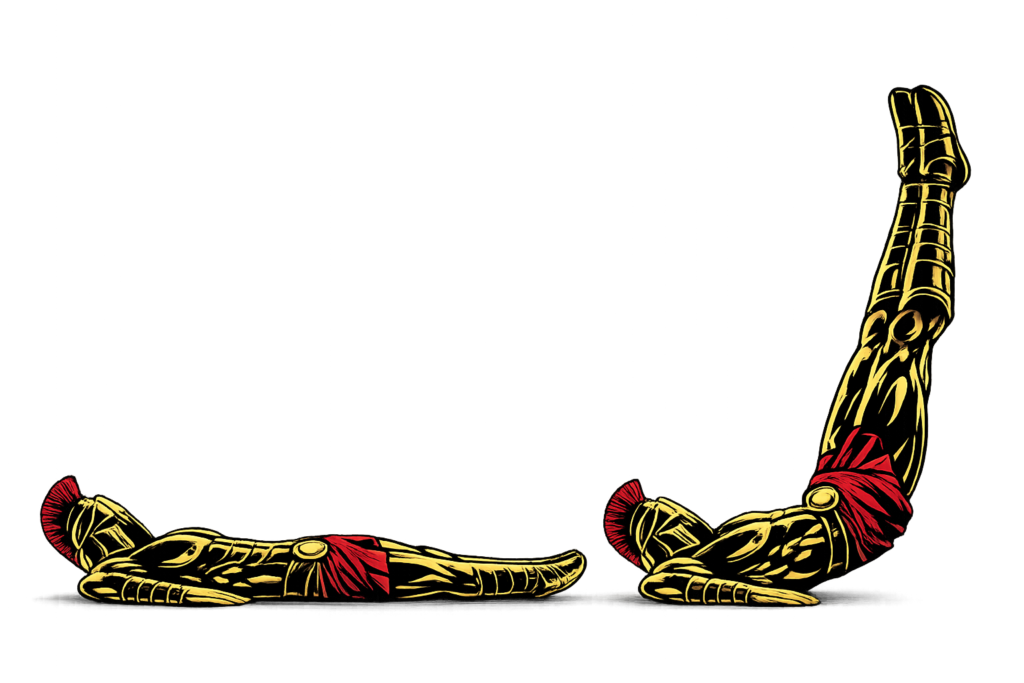
  • Lie flat on your back on the floor or mat
  • Bend your knees and place your feet flat on the ground
  • Cross arms over chest or place fingertips lightly behind ears
  • Engage your core and press your lower back into the floor
  • Exhale and curl your torso upward using your abs
  • Sit up until your chest is close to your thighs
  • Lower yourself back down under control

Tip: Control matters more than speed. Each rep should be smooth and deliberate.

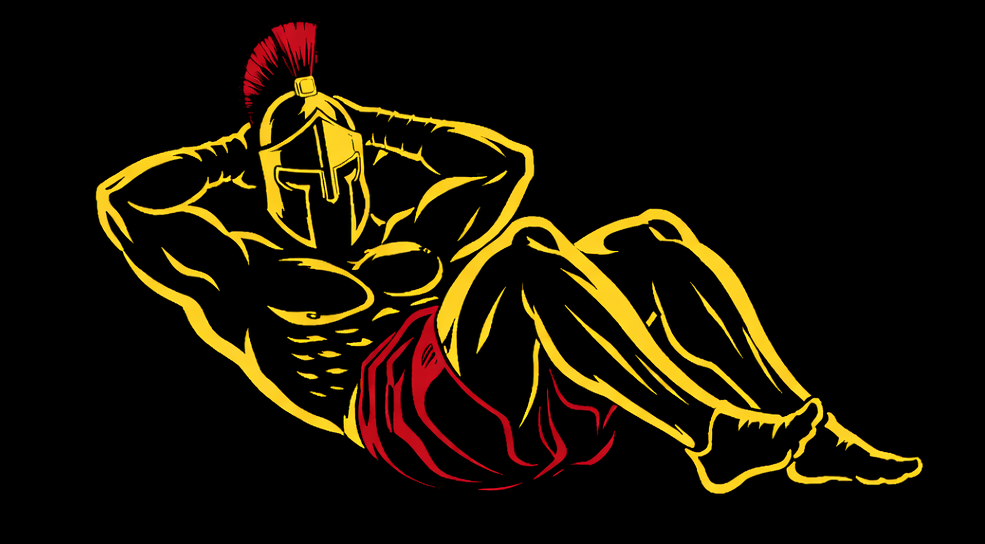
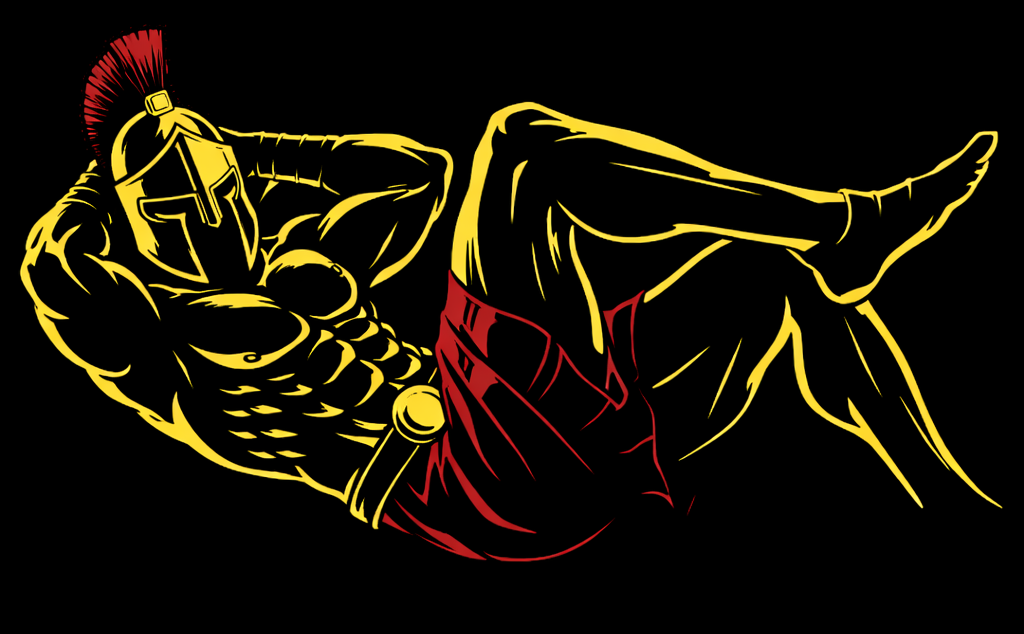
Warrior doing a Progressive Sit-up

Breathing Technique

  • Exhale while sitting up
  • Inhale as you lower back down

Proper breathing improves core engagement and endurance.


Sit-Up Form Checklist

  1. Feet grounded and stable – Keep your feet flat on the floor with knees bent at about 90°.
  2. Engage your core first – Tighten your abs before lifting your torso.
  3. Neutral neck position – Keep your neck relaxed and your gaze forward or slightly upward.
  4. Controlled full range of motion – Lift until your torso reaches your thighs, then lower slowly.
  5. Slow, steady tempo – Avoid momentum; move with control on both the way up and down.

Common Sit-Up Mistakes (And How to Fix Them)

Pulling the neck with hands
Fix: Keep your hands lightly touching your head or crossed on your chest and lift using your core, not your neck.

Using momentum instead of core strength
Fix: Perform slow, controlled reps and focus on lifting your torso using your abdominal muscles.

Lifting feet off the ground
Fix: Keep your feet firmly planted and press your heels into the floor for stability.

Arching the lower back excessively
Fix: Engage your core and keep your lower back controlled as you lower down.

Rushing reps without control
Fix: Use a steady tempo, lifting and lowering slowly to maintain tension and proper form.


Sit-Up Variations for Beginners

1. Assisted Sit-Up

  • Lie on your back with knees bent and feet lightly anchored
  • Cross your arms over your chest and brace your core
  • Sit up smoothly, then lower yourself back down with control

2. Partial Sit-Up

  • Lie flat with knees bent and feet on the floor
  • Lift your upper body halfway while keeping the lower back down
  • Slowly return to the starting position without dropping

3. Crunch Sit-Up

  • Lie on your back with your knees bent and your hands on your chest
  • Lift your shoulders and upper back off the floor using your abs
  • Lower down slowly while keeping tension in the core

4. Bent-Knee Sit-Up

  • Lie down with knees bent tightly and feet planted
  • Engage your core and sit up until your chest reaches your thighs
  • Lower back down slowly to maintain control

5. Feet-Elevated Sit-Up

  • Lie on your back and place your feet on a bench or step
  • Brace your core and sit up without using momentum
  • Lower yourself back down in a slow, controlled motion

Final Thoughts

The Sit-up is a classic core exercise, but its effectiveness depends entirely on proper form. When done correctly, sit-ups can strengthen your abdominal muscles, improve core stability, and support better posture and athletic performance. Focus on controlled movement, steady breathing, and engaging your core rather than relying on momentum. If sit-ups feel uncomfortable on your lower back, start with easier core exercises and progress gradually. Consistency and good technique will always beat high reps with poor form. Learn more about Core Workouts here.


FAQ

1. Are sit-ups bad for your lower back?

Sit-ups are not bad if performed with proper form and control. Problems usually occur when people pull on their neck, rush the movement, or overextend their lower back. If you have existing back pain, core exercises like crunches or planks may be safer alternatives.

2. How many sit-ups should I do daily?

For beginners, 2–3 sets of 10–15 sit-ups are enough. Intermediate trainees can aim for 20–30 reps per set. Focus on quality reps rather than chasing high numbers.

3. Do sit-ups help reduce belly fat?

Sit-ups strengthen and build the abdominal muscles, but they do not directly burn belly fat. Fat loss comes from a combination of calorie control, full-body training, and consistency. Sit-ups help define your abs once body fat is reduced.

How to Do a Squat Correctly: Step-by-Step Guide for Beginners

The squat is one of the most powerful compound exercises you can do. This guide breaks down exact squat form, common mistakes, and tips to help you squat safely and effectively.


What Is a Squat?

A squat is a fundamental lower-body exercise that involves lowering your hips from a standing position and then returning to standing by driving through your feet. It is one of the most effective compound movements, working multiple muscle groups simultaneously to build strength, stability, and endurance.

Squats primarily target the quadriceps and glutes, while also engaging the hamstrings, calves, core, and lower back to maintain balance and proper posture. Because the movement mimics everyday actions like sitting and standing, squats help improve functional strength, mobility, and overall athletic performance.

Benefits of Squats

  • Builds strong quadriceps, glutes, and hamstrings
  • Improves lower-body strength and endurance
  • Enhances core stability and posture
  • Increases balance and coordination
  • Boosts athletic performance for running, jumping, and lifting
  • Supports functional strength for everyday movements like sitting and standing
  • Helps improve mobility and joint health in the hips, knees, and ankles
  • Can be done anywhere with bodyweight or progressed with added resistance

Muscles Worked

Primary Muscles

  • Quadriceps
  • Glutes

Secondary Muscles

  • Hamstrings
  • Calves
  • Core (abs and lower back)
  • Hip adductors (inner thighs)
  • Erector spinae (lower back stabilizers)

Squats are a full-body strength builder when done right.


How to Do a Squat Properly (Perfect Form)

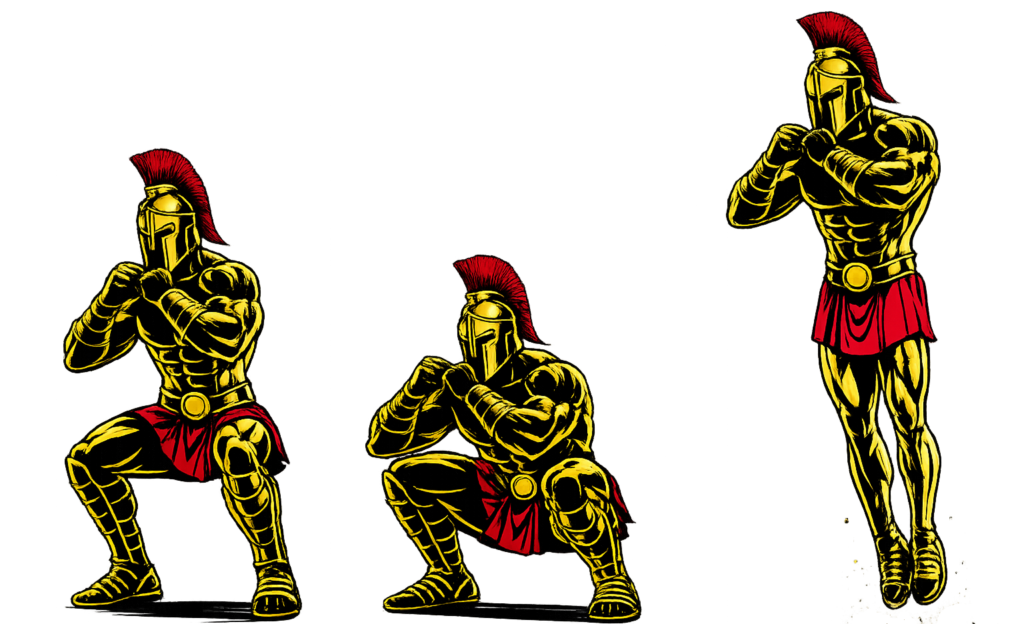
1. Starting Position

  • Spine neutral (no rounding)
  • Stand with feet shoulder-width apart
  • Toes slightly turned outward
  • Chest up, core braced
Warrior showing the starting Position of a Squat

2. The Descent

  • Push your hips back first
  • Bend your knees and lower your body
  • Keep your weight on your mid-foot and heels
  • Knees track in line with your toes

Lower yourself until:

Thighs are parallel to the ground (or lower if mobility allows)

Warrior showing the lower position of a Squat

3. The Ascent

  • Drive through your heels
  • Push the floor away
  • Squeeze your glutes at the top
  • Stand tall without locking your knees

Breathing Technique

  • Inhale before descending
  • Hold your breath briefly for stability
  • Exhale as you push up

This helps maintain core tension and protect your spine.


Squat Proper Form Checklist

  • Feet Shoulder-Width Apart – Stand with feet slightly turned out for natural hip alignment.
  • Chest Up, Spine Neutral – Keep your back straight and avoid rounding your lower back.
  • Knees Track Over Toes – Push your knees outward to keep them aligned with your toes.
  • Weight Through Heels – Keep your heels flat and distribute weight across your mid-foot.
  • Full Depth with Control – Lower until thighs are at least parallel, then drive up smoothly.

Strong squats come from control and stability—move with purpose, not speed.


Common Squat Mistakes (And How to Fix Them)

Knees caving inward
Fix: Actively push your knees outward in line with your toes as you descend.

Heels lifting off the ground
Fix: Sit your hips back and keep your weight through your mid-foot and heels.

Rounding the lower back
Fix: Brace your core and maintain a neutral spine throughout the movement.

Leaning too far forward
Fix: Keep your chest up and drive your elbows slightly forward to maintain an upright torso.

Cutting depth is short
Fix: Lower until your thighs are at least parallel to the ground while keeping proper form.

Fixing these improves strength and reduces injury risk.


Squat Variations for Beginners

1. Bodyweight Squat (Beginner-Friendly)

  • Stand with feet shoulder-width apart
  • Keep your chest up and core engaged
  • Push hips back and bend knees
  • Lower until thighs are parallel to the floor
  • Drive through heels to return to standing

Best for: Beginners, mobility, and learning correct squat mechanics

2. Goblet Squat

  • Hold a dumbbell or kettlebell close to your chest
  • Keep elbows pointing downward
  • Squat down while keeping your torso upright
  • Lower under control, then push through heels to stand

Best for: Improving depth, posture, and core stability

3. Barbell Back Squat

  • Place the barbell across the upper back (not the neck)
  • Brace your core and keep your chest up
  • Push your hips back and squat down steadily
  • Drive upward through heels to stand tall

Best for: Building leg strength and overall power

4. Front Squat

  • Rest the barbell across the front of your shoulders
  • Keep elbows high and core tight
  • Squat down while maintaining an upright torso
  • Push through mid-foot to return to standing

Best for: Quad strength, core engagement, and posture

5. Pause Squat

  • Lower into a squat with full control
  • Pause for 2–3 seconds at the bottom
  • Maintain tension and balance
  • Drive up powerfully to standing

Best for: Strength off the bottom, control, and fixing weak points


Final Thoughts

Squats are one of the most powerful and essential exercises for building lower-body strength, stability, and athletic performance. When performed with proper form and full range of motion, they develop the quadriceps, glutes, and core while improving balance and mobility. Whether you train at home or in the gym, mastering the squat builds a strong foundation for nearly every movement—running, jumping, lifting, and even daily activities.

Focus on controlled reps, proper alignment, and steady progression rather than rushing for heavier loads or higher reps. Strong legs are built through discipline and consistency. Perfect the basics, and your strength will grow with every session. Learn more about Leg Workouts here.


FAQ

1. How low should I squat for proper form?

Ideally, squat until your thighs are at least parallel to the ground. If mobility allows, going slightly below parallel is fine as long as your heels stay down and your spine stays neutral.

2. Are squats bad for the knees?

No, properly performed squats strengthen the knees. Problems usually come from poor form, excessive weight, or lack of mobility. Keep your knees tracking over your toes and control the descent.

3. How often should I do squats?

You can squat 2–4 times per week, depending on intensity and recovery. Beginners can start with bodyweight squats, while advanced lifters should allow rest between heavy sessions.

How to Do a Pull-Up Correctly: Step-by-Step Guide for Beginners

Learn how to do a pull-up with perfect form, avoid common mistakes, and discover the best pull-up variations to build real upper-body strength.

Pull-ups are one of the most effective bodyweight exercises for developing a strong back, powerful arms, and elite functional strength. Whether you are training for military fitness tests, calisthenics, or athletic performance, mastering the pull-up is essential.


What Is a Pull-Up?

A pull-up is a bodyweight exercise where you hang from a bar with your palms facing away from you, then pull your body upward until your chin clears the bar.

The pull-up is considered one of the best upper-body exercises because it trains multiple muscle groups at once while developing true body control.

Pull-ups are commonly used in:

  • Military fitness tests
  • Calisthenics training
  • Strength and conditioning programs
  • Athletic performance training

Unlike many gym machines, pull-ups build real-world strength that translates directly into athletic ability.

Benefits of Pull-Ups

Pull-ups are one of the most powerful exercises for building functional upper-body strength.

Benefits include:

• Builds a wide and powerful back
• Increases grip strength
• Improves posture and shoulder health
• Develops functional pulling strength
• Strengthens arms, shoulders, and core
• Essential for military and tactical fitness tests

Few exercises challenge the upper body as effectively as the pull-up.

Muscles Worked in Pull-Ups

Pull-ups activate several major upper-body muscle groups simultaneously.

Primary Muscles

• Latissimus Dorsi (Lats)
• Biceps Brachii
• Rhomboids
• Middle Trapezius

Secondary Muscles

• Rear Deltoids
• Forearms and Grip Muscles
• Lower Trapezius
• Teres Major
• Core Muscles (Abdominals and Obliques)

Because of this muscle activation, pull-ups are one of the best exercises for developing a strong V-shaped back.


How to Do a Pull-Up (Step-by-Step)

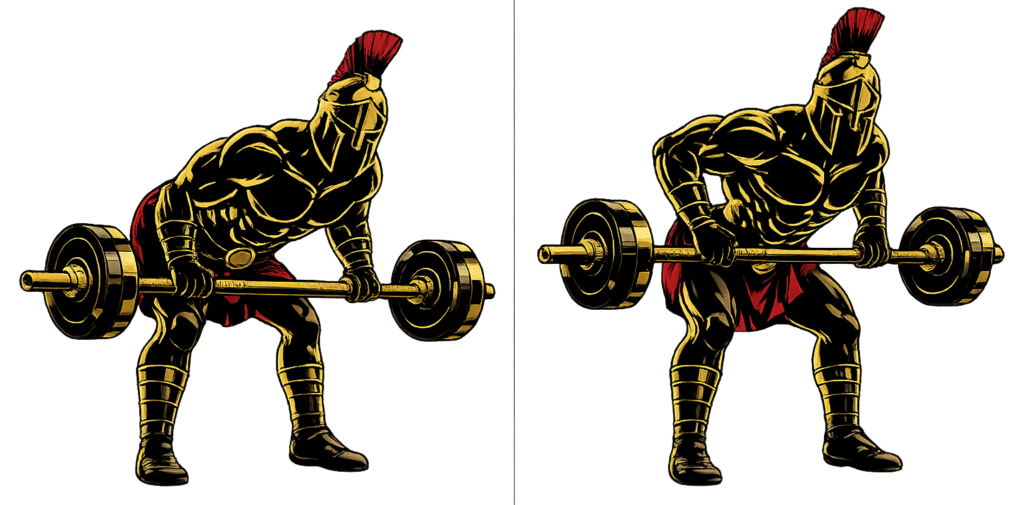
Step 1: Grip the Pull-Up Bar

Grab the bar with your palms facing away from you and hands about shoulder-width apart.

Tip: Squeeze the bar tightly to activate your forearms and upper back.

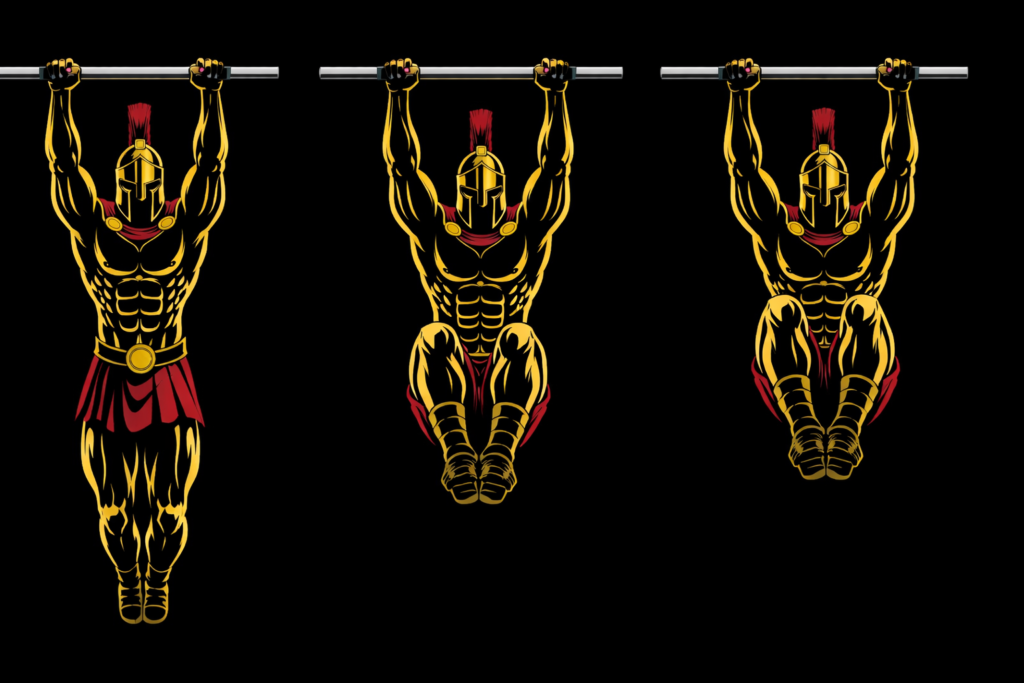
Step 2: Start in a Dead Hang

Begin from a full dead hang with:

• Arms fully extended
• Shoulders pulled slightly down
• Core tight
• Legs still with no swinging

This position ensures a full range of motion.

Warrior showing How to do a Pull-Up

Step 3: Pull Your Chest Toward the Bar

Pull yourself upward by driving your elbows down and back.

Focus on pulling your chest toward the bar, not just lifting your chin.

Step 4: Chin Over the Bar

At the top of the pull-up:

• Chin clears the bar
• Chest stays open
• Core remains tight

Pause briefly to maintain control.

Warrior Showcasing How to do a Pull-up Progressively

Step 5: Lower With Control

Slowly lower yourself back to the dead hang position.

Avoid dropping quickly. The negative portion of the pull-up builds significant strength.


Pull-Up Form Checklist

Use this quick checklist to ensure perfect pull-up form.

  • Start from an active hang
  • Keep your core tight and body straight
  • Pull your chest toward the bar
  • Use a full range of motion
  • Control every rep

Perfect form builds strength faster and prevents injury.


Common Pull-Up Mistakes

Swinging or Kipping

Problem: Using momentum reduces strength development.

Fix: Keep your core tight and body stable during each rep.

Half Reps

Problem: Not fully extending the arms at the bottom.

Fix: Lower completely until arms are straight.

Pulling With Arms Only

Problem: Overusing the biceps.

Fix: Start each rep by pulling your shoulder blades down and back.

Rushing the Movement

Problem: Fast reps reduce muscle activation.

Fix: Use a controlled tempo:

• 1–2 seconds up
• 2–3 seconds down

Clean reps always beat high numbers.


Pull-Up Variations

Once you master the basic pull-up, different variations can help build strength, target new muscles, and increase difficulty.

Chin-Ups

Chin-ups are similar to pull-ups but use an underhand grip, which increases bicep involvement.

How to Do Chin-Ups

• Grab the bar with palms facing toward you
• Pull your chest upward while keeping your elbows close to your body
• Lower yourself slowly back to the dead hang

Chin-ups are often easier for beginners and great for building pulling strength.

Wide-Grip Pull-Ups

Wide-grip pull-ups emphasize the lats and upper back, helping build a wider back.

How to Do Wide-Grip Pull-Ups

• Grip the bar wider than shoulder width
• Pull your chest upward while keeping your body straight
• Lower yourself slowly with full control

This variation reduces bicep assistance and increases lat activation.

Close-Grip Pull-Ups

Close-grip pull-ups place more emphasis on the arms and lower lats.

How to Do Close-Grip Pull-Ups

• Grab the bar with hands closer than shoulder width
• Pull upward while keeping elbows close to your torso
• Lower slowly back to the starting position

Assisted Pull-Ups (Beginner Variation)

Assisted pull-ups help beginners build strength until they can perform strict pull-ups.

How to Do Assisted Pull-Ups

• Attach a resistance band to the bar
• Place your foot or knee inside the band
• Perform the pull-up while the band assists your upward movement

This is one of the best ways to progress toward your first strict pull-up.


Final Thoughts

The pull-up is one of the most powerful bodyweight strength exercises you can master.

It builds:

• Back strength
• Arm strength
• Grip strength
• Core stability
• Functional athletic power

Progress may feel slow at first, especially for beginners. However, with consistent training, proper form, and progressive variations, your pull-up strength will steadily improve. One clean rep is always better than ten sloppy ones. Learn more about Pull Workoutshere.

Focus on quality repetitions, full range of motion, and controlled movement.

A warrior lifts his body with control — never with shortcuts.


Pull-Up FAQ

Q1: How many pull-ups should a beginner aim for? Most beginners start with 0–3 pull-ups. Focus on assisted pull-ups, dead hangs, and negatives. With consistent training, reaching 5–8 clean reps is a solid early goal.

Q2: Are pull-ups better than lat pulldowns? Pull-ups are generally more effective because they train real bodyweight strength, grip, and core stability. Lat pulldowns can help beginners build strength, but pull-ups offer superior functional carryover.

Q3: How often should I do pull-ups to improve? You can train Pull-ups 2–4 times per week, depending on recovery. Avoid daily max-effort attempts; instead, use sub-maximal sets and proper rest to build strength safely.

How to Do a Push-Up Correctly: Step-by-Step Guide for Beginners

Learn how to do a push-up with perfect form, avoid common mistakes, and discover the best push-up variations to build real upper-body strength.

The push-up is one of the most effective bodyweight exercises ever created. It builds strength in the chest, shoulders, triceps, and core while improving endurance and full-body stability.

Whether you’re training for military fitness tests, calisthenics, or general strength, mastering the push-up is a fundamental step in building functional power.


What Is a Push-Up?

A push-up is a classic bodyweight exercise in which you lower your body toward the ground and push back up while maintaining a straight plank position.

Push-ups train multiple muscle groups simultaneously and require no equipment, making them one of the most accessible strength exercises.

They are widely used in:

  • Military fitness training
  • Calisthenics programs
  • Athletic conditioning
  • Home workouts

Although push-ups appear simple, proper push-up form is essential. Many beginners struggle not because of weakness, but because of incorrect technique.

Learning proper push-up form will help you build strength faster, prevent injury, and progress to more advanced variations.

Remember: Form builds muscle, not reps.


Benefits of Push-Ups

Push-ups are a foundational exercise for developing upper-body strength and endurance.

Key benefits include:

• Builds chest, shoulder, and triceps strength
• Improves posture and shoulder stability
• Strengthens the core and lower back
• Requires no equipment
• Can be performed anywhere
• Develops functional upper-body power

Because of their effectiveness, push-ups are a core exercise in military and tactical fitness training.

Muscles Worked in Push-Ups

Push-ups train multiple upper-body and core muscles at once.

Primary Muscles

• Chest (Pectoralis Major)
• Shoulders (Anterior Deltoids)
• Triceps

Secondary Muscles

• Core (Abdominals and Obliques)
• Lower Back
• Glutes
• Serratus Anterior

This makes push-ups one of the best compound bodyweight exercises for building total upper-body strength.


How to Do a Push-Up Correctly (Step-by-Step)

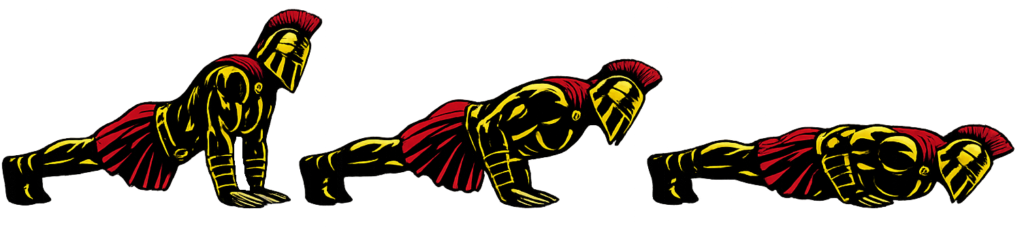
Step 1: Get Into the Starting Position

Place your hands slightly wider than shoulder-width apart.

• Fingers pointing forward
• Feet together or slightly apart
• Body in a straight line from head to heels

Imagine your body forming a solid plank.

Warrior Showcasing How to do a Push-Up properly

Step 2: Brace Your Core

Before lowering your body:

• Tighten your abdominal muscles
• Squeeze your glutes
• Keep your spine neutral

A strong core prevents your hips from sagging or rising.

Step 3: Lower Your Body

Bend your elbows and lower your chest toward the floor.

• Keep elbows at a 30–45° angle
• Maintain a straight body line
• Keep your neck neutral

Lower until your chest is just above the floor.

Warrior showing How to do a Push-Up progressively

Step 4: Push Back Up

Push through your palms and extend your arms.

• Keep your body straight
• Engage your chest and triceps
• Lock out your arms at the top

This completes one perfect push-up repetition.


Push-Up Proper Form Checklist

Use this checklist to ensure perfect push-up technique.

  • Maintain a straight body line
  • Keep your core and glutes tight
  • Lower your chest close to the floor
  • Keep elbows slightly tucked
  • Move with controlled tempo

Quality always beats quantity.


Common Push-Up Mistakes (And How to Fix Them)

Sagging Hips

Problem: Weak core causes hips to drop.

Fix: Tighten your abs and glutes to maintain a plank position.

Flared Elbows

Problem: Elbows pointing outward increases shoulder stress.

Fix: Keep elbows at 30–45° from your torso.

Half Reps

Problem: Not lowering fully reduces muscle activation.

Fix: Lower until your chest is just above the ground.

Dropping the Head

Problem: Looking upward strains the neck.

Fix: Keep your neck neutral and gaze slightly forward.

Rushing the Movement

Problem: Fast reps reduce strength development.

Fix: Use a controlled tempo:

• 2 seconds down
• 1 second up


Push-Up Variations

Once you master the basic push-up, different variations can help you build strength and target different muscle groups.

Knee Push-Ups (Beginner)

Knee push-ups reduce bodyweight load and are perfect for beginners.

How to Do Knee Push-Ups

• Start in a push-up position with knees on the ground
• Keep your body straight from knees to head
• Lower your chest and push back up

Incline Push-Ups

Incline push-ups reduce difficulty by elevating your hands.

How to Do Incline Push-Ups

• Place hands on a bench, chair, or wall
• Keep your body straight
• Lower your chest toward the surface and push back up

This variation is excellent for beginners and for building strength.

Decline Push-Ups

Decline push-ups increase difficulty and emphasize the upper chest and shoulders.

How to Do Decline Push-Ups

• Place your feet on a bench or elevated surface
• Hands remain on the floor
• Lower your chest and push back up

Diamond Push-Ups

Diamond push-ups focus heavily on the triceps.

How to Do Diamond Push-Ups

• Place hands close together, forming a diamond shape
• Keep elbows close to your body
• Lower your chest and push upward

Wide Push-Ups

Wide push-ups increase chest activation.

How to Do Wide Push-Ups

• Place hands wider than shoulder-width
• Lower your chest while keeping your body straight
• Push back up with control

Weighted Push-Ups

Weighted push-ups are an advanced push-up variation that increases resistance by adding extra weight to your back. This variation builds greater chest, shoulder, and triceps strength while improving core stability.

How to Do Weighted Push-Ups

• Place a weighted backpack or weight plate securely on your upper back.
• Perform a standard push-up while keeping your core tight and body in a straight line.
• Lower your chest close to the floor, then push back up with full control.

Explosive Push-Ups

Explosive push-ups develop power and athletic performance.

How to Do Explosive Push-Ups

• Lower your chest toward the floor
• Push upward as fast as possible
• Hands may briefly leave the ground


Final Thoughts

The push-up is one of the most effective bodyweight exercises for building upper-body strength, endurance, and core stability.

With proper form and consistent practice, push-ups will strengthen:

• Chest
• Shoulders
• Triceps
• Core

Progress takes time, but small improvements in technique and strength add up quickly.

Focus on clean repetitions, full range of motion, and disciplined training.

Master the push-up, and you build the foundation for advanced calisthenics and true functional strength.


FAQ

Q1. How many push-ups should a beginner do?
Start with 2–3 sets of 8–12 reps, focusing on proper form rather than high numbers.

Q2. Can I do push-ups every day?
Yes, but beginners should train them 3–5 times per week and allow rest if muscles feel overly sore.

Q3. What if I can’t do a full push-up yet?
Begin with incline push-ups or knee push-ups and gradually progress to full push-ups as your strength improves.