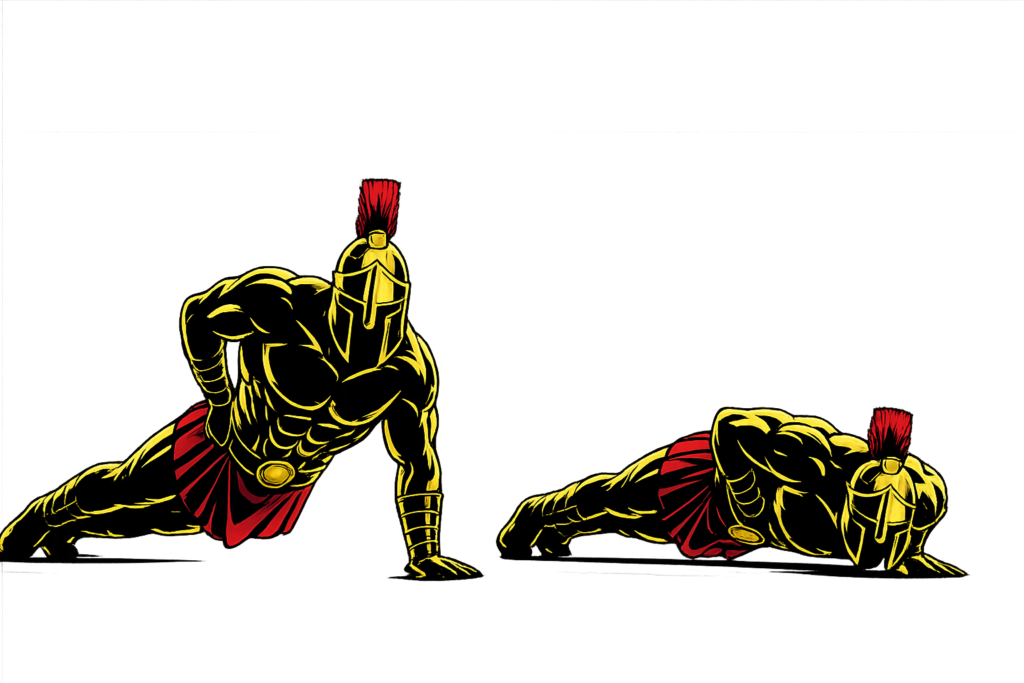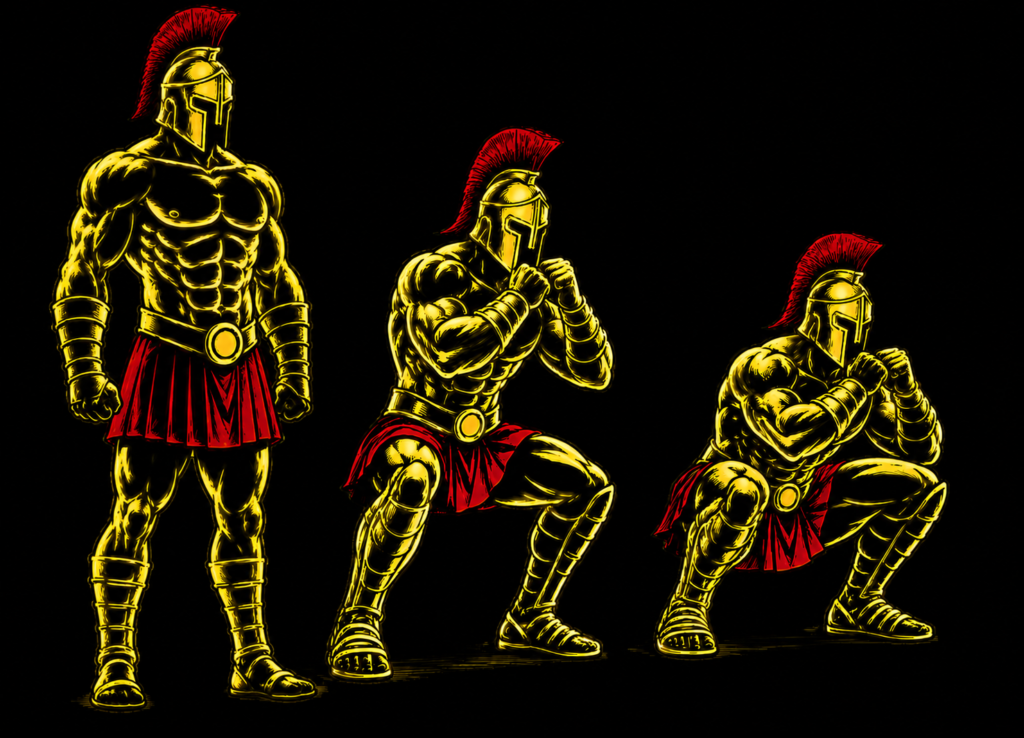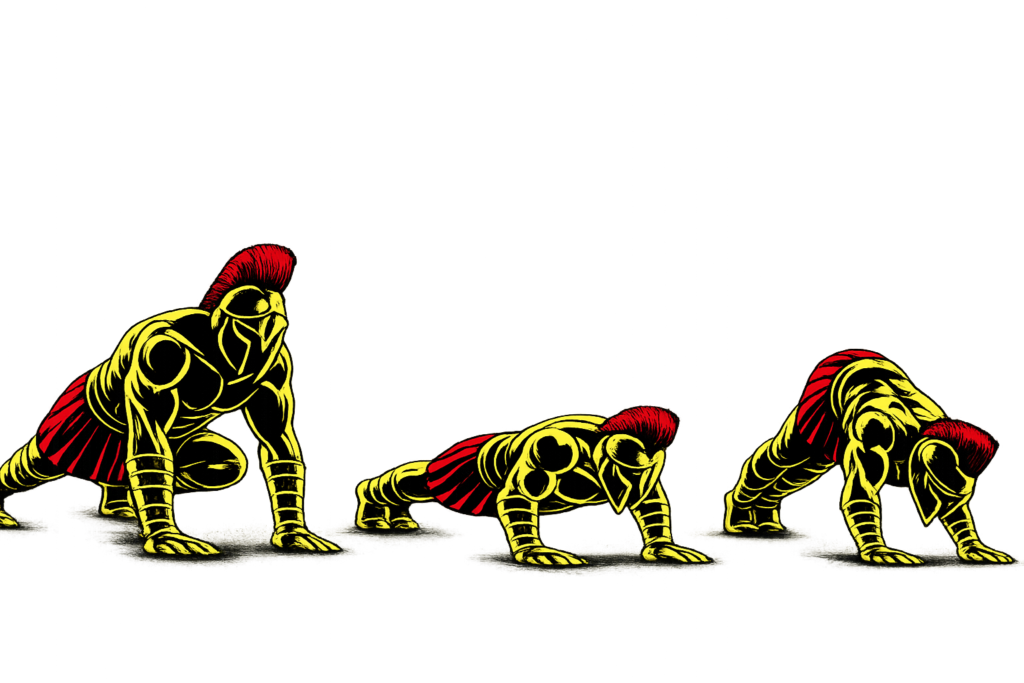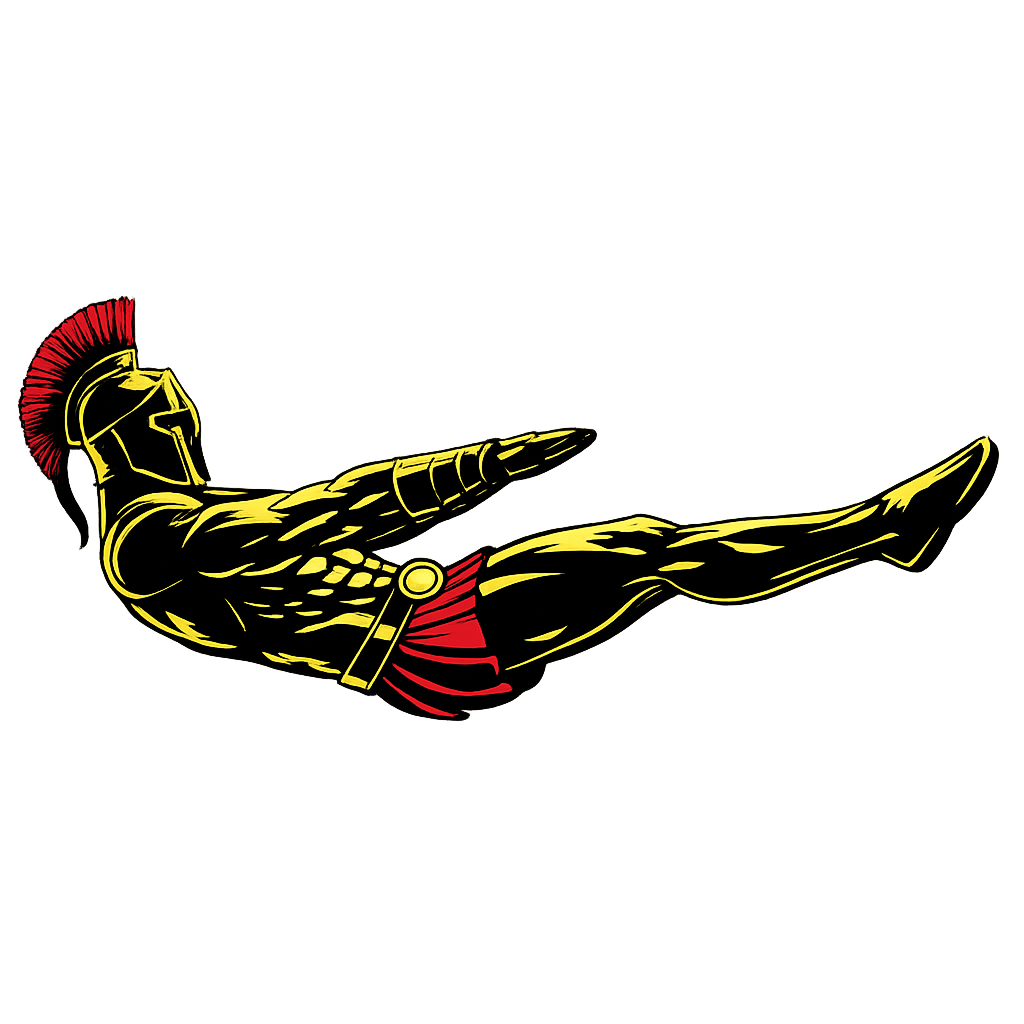
How to Do a Row Properly: Step-by-Step Guide for Beginners

The row is one of the most important pulling exercises for building a strong, thick back. Whether you are using a barbell, dumbbells, cables, or resistance bands, mastering proper row form improves posture, increases strength, and develops balanced upper-body muscles. Thence Learning How to do a Row Properly is essential.

If you want a wider back, stronger biceps, and better pulling power, learning how to do a row properly is essential.


What Is a Row Exercise?

A row is a compound pulling movement where you pull resistance toward your torso while keeping your spine neutral and core engaged. The exercise targets the back muscles primarily and also engages the biceps and rear shoulders.

Rows are fundamental for correcting poor posture and balancing pushing exercises like bench press and push-ups.

Benefits of Row Exercises

  • Builds a thicker, stronger back
  • Improves posture
  • Balances chest and pushing exercises
  • Increases pulling strength
  • Supports deadlifts and pull-ups

Muscles Worked

Primary Muscles

  • Latissimus Dorsi (Lats)
  • Rhomboids
  • Middle Trapezius

Secondary Muscles

  • Biceps
  • Rear Deltoids
  • Lower Trapezius
  • Core Muscles
  • Forearms

Step-by-Step: How to Do a Barbell Bent-Over Row Properly

Step 1: Set Your Stance

  • Stand with feet shoulder-width apart.
  • Hold the barbell with a shoulder-width grip.
  • Slight bend in the knees.

Step 2: Hinge at the Hips

  • Push hips back.
  • Keep your back flat and chest slightly up.
  • Torso should be roughly 30–45 degrees forward.

Step 3: Pull the Bar

  • Drive elbows back toward your hips.
  • Pull the bar to your lower chest or upper abdomen.
  • Squeeze your shoulder blades together at the top.

Step 4: Lower With Control

  • Slowly extend your arms.
  • Keep your core tight.
  • Do not round your lower back.

Proper Form Checklist

  • Neutral spine throughout the movement
  • Hips hinged, not rounded
  • Bar pulled toward lower chest/upper abdomen
  • Shoulder blades squeezed at the top
  • Controlled lowering phase

Common Mistakes and Fixes

Rounding the lower back
Fix: Keep your spine neutral and hinge properly at the hips.

Using too much momentum
Fix: Lower the weight and focus on controlled reps.

Pulling with arms only
Fix: Lead with your elbows and squeeze your back muscles.

Standing too upright
Fix: Maintain a proper forward lean during bent rows.

❌ Jerking the weight
Fix: Use smooth, controlled movement.


Row Variations – How to Do Them

1. Barbell Bent-Over Row

  • Hinge at the hips with a flat back and slight knee bend.
  • Pull the bar toward your lower chest while driving your elbows back.
  • Lower under control without rounding your spine.

2. Dumbbell Bent-Over Row

  • Hinge forward, holding dumbbells at arm’s length.
  • Pull weights toward your ribs, squeezing your shoulder blades.
  • Lower slowly and maintain a neutral spine.

3. Upright Row

  • Stand tall, holding barbell or dumbbells in front.
  • Pull weight vertically toward your chin, elbows high.
  • Lower with control without swinging.

4. Resistance Band Row

  • Anchor the band and grab handles with arms extended.
  • Pull handles toward your torso, squeezing your back.
  • Return slowly while keeping tension in the band.

5 Seated Cable Row

  • Sit upright with feet planted and chest lifted.
  • Pull the handle toward your abdomen while driving your elbows back.
  • Extend arms slowly without leaning forward.

6. Under-Bar Row (Inverted Row)

  • Lie under a fixed bar and grip it at shoulder width.
  • Pull your chest toward the bar, keeping your body straight.
  • Lower under control until arms are fully extended.

7. Single-Arm Dumbbell Row

  • Place one knee and hand on a bench for support.
  • Pull the dumbbell toward your hip while keeping your back flat.
  • Lower slowly and repeat before switching sides.

Final Thoughts

Rows are foundational pulling exercises that build real back strength and muscular balance. When performed with proper posture, controlled movement, and consistent progression, rows dramatically improve upper-body development and posture. Learn more about Pull Workouts here.

Master the form first. Increase weight gradually. Build strength with control.


FAQ

Q1. Are rows better than pull-ups?
Both are effective; rows build thickness while pull-ups build width.

Q2. Should I feel rows in my biceps?
Some activation is normal, but the back should do most of the work.

Q3. Is a flat back necessary?
Yes, a neutral spine protects your lower back.

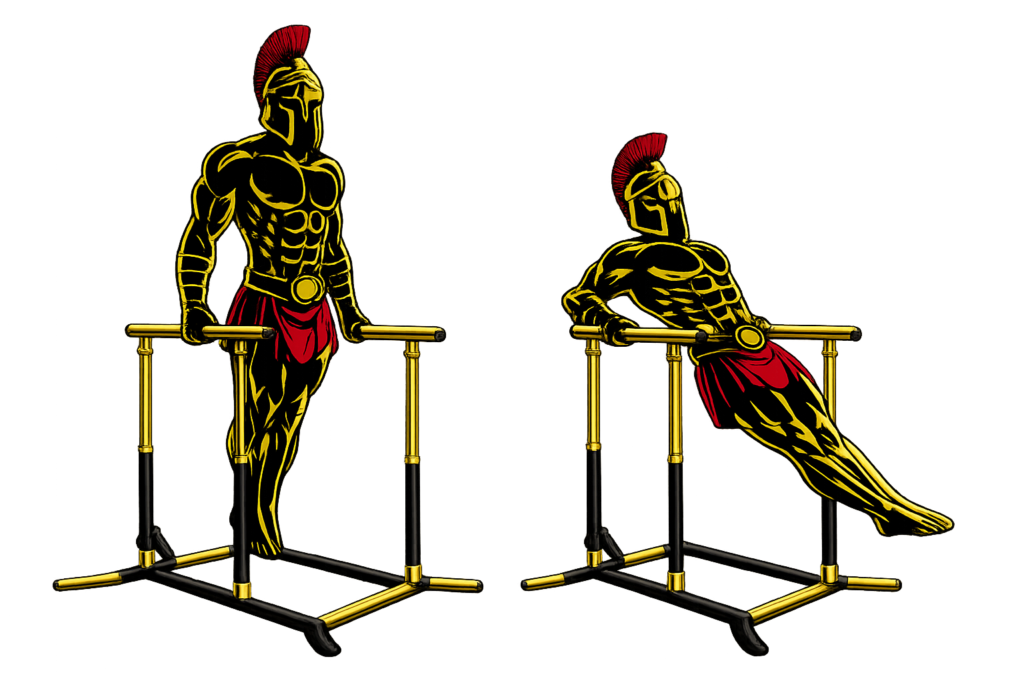
How to Do Dips Properly: Step-by-Step Guide for Beginners

Dips are one of the most powerful bodyweight exercises for building upper-body strength. When performed correctly, they develop your chest, triceps, and shoulders while improving overall pushing power. That is why it is necessary to learn how to do dips properly.

If you want stronger arms, a bigger chest, and serious upper-body control, mastering proper dip form is essential.


What Are Dips?

Dips are a compound upper-body exercise performed on parallel bars or dip bars. The movement involves lowering your body by bending your elbows and then pressing yourself back up.

They primarily target the triceps and chest while also engaging the shoulders and core for stability.

Benefits of Dips

  • Builds powerful triceps
  • Increases chest thickness
  • Improves pushing strength
  • Enhances shoulder stability
  • Transfers to push-ups and bench press

Muscles Worked

Primary Muscles

  • Triceps
  • Chest (Pectoralis Major)

Secondary Muscles

  • Anterior Deltoids (Front Shoulders)
  • Core Muscles
  • Serratus Anterior

How to Do Dips Properly (Step-by-Step)

Step 1: Set Up Position

  • Grip the parallel bars firmly.
  • Press yourself up until your arms are fully extended.
  • Keep shoulders down and away from ears.

Step 2: Lean Slightly Forward

  • A slight forward lean increases chest engagement.
  • Keep your chest open and core tight.
Warrior demonstrating How to Do Dips Properly

Step 3: Lower With Control

  • Bend your elbows and lower your body slowly.
  • Keep elbows at about a 45-degree angle (not flared wide).
  • Descend until your upper arms are at least parallel to the ground.

Step 4: Press Back Up

  • Drive through your palms.
  • Extend your elbows fully at the top.
  • Maintain control—avoid locking out aggressively.

Proper Form Checklist

  • Full arm extension at the top
  • Controlled descent (2–3 seconds down)
  • Slight forward lean
  • Elbows at 30–45 degrees
  • Core tight and legs stable

Common Dips Mistakes (And How to Fix Them)

Flaring elbows too wide
Fix: Keep elbows tucked at a 30–45 degree angle.

Dropping too fast
Fix: Lower slowly and control the movement.

Partial range of motion
Fix: Lower until the upper arms reach parallel or slightly below.

Shrugging shoulders
Fix: Keep shoulders depressed and stable.

Swinging legs
Fix: Keep legs still and core engaged throughout.


Beginner Tips

  • Use assisted dip machines if full bodyweight is too difficult.
  • Start with bench dips if necessary, but progress to parallel bar dips.
  • Train dips 1–2 times per week.
  • Aim for 3 sets of 6–10 reps as a beginner.

Final Thoughts

Dips are a foundational upper-body exercise that builds real strength and muscle. When performed with proper control, a full range of motion, and consistent progression, they can dramatically improve your chest and arm development. Learning how to do Dips properly can aid you greatly in your fitness journey.

Focus on quality reps, not ego reps. Master bodyweight first — then add weight gradually.

Train with control. Press with power. Build strength that shows.


FAQ – Dips

1. Are dips better than push-ups?
Dips generally place more load on the triceps and chest than standard push-ups.

2. Do dips build chest or triceps more?
Both, but leaning forward emphasizes the chest while staying upright emphasizes triceps.

3. Should I go below parallel?
Only if you have shoulder mobility and can control the movement safely.

How to Do Bicycle Crunches Properly: Step-by-Step Guide for Beginners

Bicycle crunches are one of the most effective bodyweight ab exercises for building a strong, defined core. This movement targets both the upper abs and obliques while improving coordination and core stability. If your goal is stronger abs, better athletic performance, and visible definition, learning how to do bicycle crunches with proper form is essential.

In this beginner-friendly guide, you’ll learn step-by-step instructions, muscles worked, benefits, common mistakes, and expert tips to master bicycle crunches safely and effectively.


What Are Bicycle Crunches?

Bicycle crunches are a dynamic core exercise in which you alternate bringing your opposite elbow to your knee while extending the other leg, mimicking a pedaling motion. Unlike basic crunches, this variation engages the obliques more intensely and challenges core control through rotation.

Benefits of Bicycle Crunches

  • Strengthens the entire core
  • Targets obliques for better waist definition
  • Improves rotational strength
  • Enhances athletic performance
  • Requires no equipment
  • Great for home workouts

Muscles Worked

Primary Muscles

  • Rectus abdominis (six-pack muscles)
  • Internal and external obliques

Secondary Muscles

  • Hip flexors
  • Transverse abdominis (deep core stabilizer)
  • Quadriceps (during leg extension)

How to Do Bicycle Crunches (Step-by-Step)

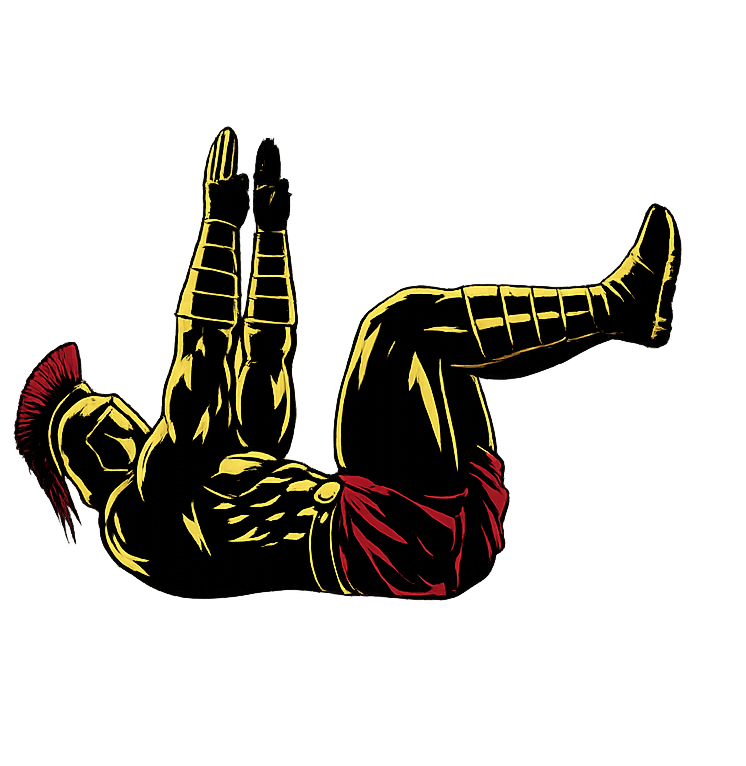
1. Start Position

  • Lie flat on your back on a mat.
  • Place your hands lightly behind your head (do not pull your neck).
  • Lift your legs so your knees are bent at 90 degrees.
  • Engage your core and press your lower back gently into the floor.
Warrior showcasing the starting Position of a Bicycle Crunches

2. Lift Your Upper Body

  • Slightly lift your head and shoulders off the ground.
  • Keep your neck neutral and eyes forward.

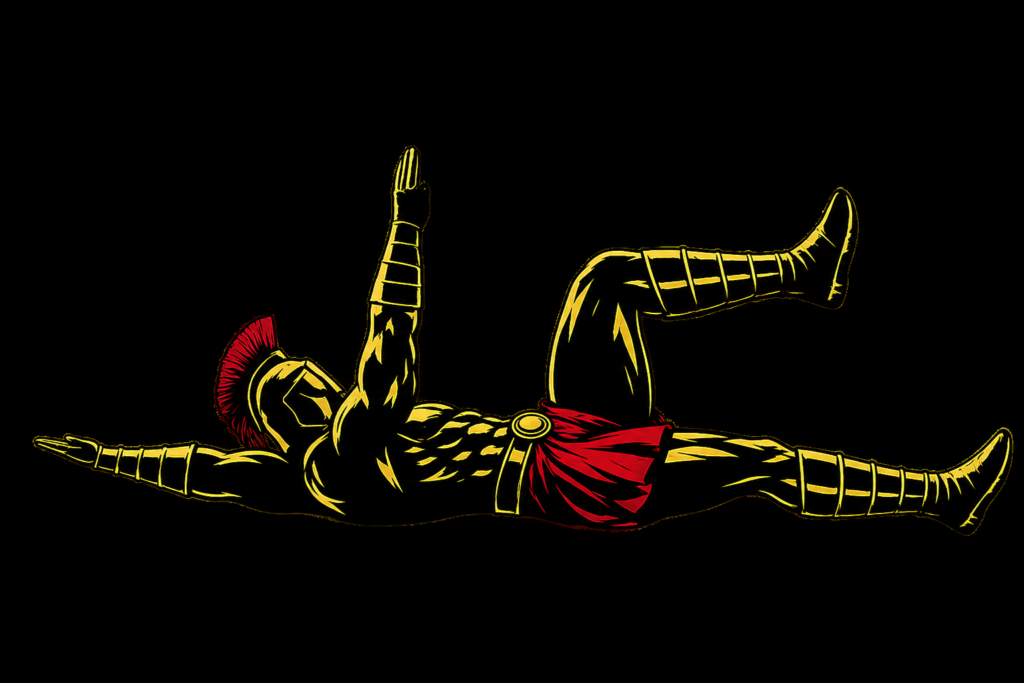
3. Begin the Pedaling Motion

  • Bring your right elbow toward your left knee.
  • Fully extend your right leg straight out without touching the ground.

4. Alternate Sides

  • Switch smoothly: left elbow to right knee.
  • Keep alternating in a controlled, rhythmic motion.
Warrior doing a Bicycle Crunches Left Elbow to Right Knee

5. Control the Tempo

  • Move slowly and focus on twisting through your core, not your neck.
  • Keep your lower back pressed into the floor throughout.

Recommended: 3 sets of 10–20 reps per side.


Proper Form Checklist

  • Lower back pressed into the floor
  • Elbows wide, not pulling the neck
  • Full leg extension on each rep
  • Controlled rotation through the core
  • Steady breathing throughout

Common Bicycle Crunches Mistakes (And How to Fix Them)

❌ Pulling on the neck
Fix: Keep your hands light behind your head and rotate through your torso.

❌ Moving too fast
Fix: Slow down and focus on controlled muscle engagement.

❌ Letting the lower back lift off the floor
Fix: Press your lower back into the mat and tighten your core.

❌ Not fully extending the leg
Fix: Straighten the extended leg completely for maximum activation.

❌ Small or weak rotation
Fix: Bring the elbow toward the opposite knee with a full torso twist.


Final Thoughts

Bicycle crunches are one of the most powerful bodyweight core exercises when done correctly. The key is control—not speed. Focus on strong rotation, full leg extension, and steady breathing. Mastering this movement will build core strength, improve athletic performance, and enhance abdominal definition. Learn more about Core Workouts here.

Master the fundamentals first. Build endurance. Then increase intensity. A powerful core supports every push-up, pull-up, sprint, and lift you perform.


FAQ

1. Should my feet touch the ground during bicycle crunches?
No, keep your legs elevated to maintain constant core tension.

3. Why do I feel bicycle crunches in my hip flexors?
This usually happens when your core isn’t fully engaged, or your legs are too low.

4. Can bicycle crunches help define my obliques?
Yes, the twisting motion strongly activates the obliques.

How to Do Bicep Curls Properly: Step-by-Step Guide for Beginners

Bicep curls are one of the most effective exercises for building stronger, more defined arms. Whether you train at home or in the gym, this simple movement targets the front of your upper arm and helps improve pulling strength for exercises like pull-ups, rows, and everyday lifting.

In this guide, you’ll learn how to perform bicep curls with proper form, avoid common mistakes, and explore different variations you can do with minimal equipment.


What Are Bicep Curls?

Bicep curls are a strength-training exercise that involves bending your elbows to lift a weight toward your shoulders. The movement primarily targets the biceps brachii, while also engaging the forearms and stabilizing muscles in the shoulders. Bicep curls are beginner-friendly, require little equipment, and can be performed almost anywhere.

Benefits of Bicep Curls

  • Builds stronger and more defined arms
  • Improves pulling strength for pull-ups and rows
  • Enhances grip and forearm endurance
  • Supports functional strength for daily tasks
  • Easy to perform at home or in the gym

Muscles Worked

Primary Muscles

  • Biceps brachii

Secondary Muscles

  • Brachialis
  • Brachioradialis (forearms)
  • Anterior deltoids (front shoulders)
  • Core (for stability)

How to Do a Standard Bicep Curl (Step-by-Step)

1. Starting Position

  • Stand tall with feet shoulder-width apart.
  • Hold a weight in each hand (dumbbells, bands, or a backpack).
  • Keep your arms fully extended and palms facing forward.
  • Keep your shoulders relaxed and chest up.

2. Brace Your Core

  • Tighten your abs to prevent swinging.
  • Keep your elbows close to your sides.
  • Avoid leaning backward.

3. Curl the Weight Up

  • Bend your elbows and lift the weight toward your shoulders.
  • Keep the movement controlled and smooth.
  • Focus on squeezing your biceps as the weight rises.

4. Squeeze at the Top

  • Pause briefly when the weight reaches shoulder height.
  • Fully contract your biceps without lifting your elbows forward.

5. Lower With Control

  • Slowly lower the weight back to the starting position.
  • Do not drop the weight or rush the movement.
  • Repeat for the desired number of reps.

Recommended: 3 sets of 8–15 reps.


Proper Form Checklist

  • Stand tall with core engaged
  • Keep your elbows close to your sides
  • Use a full range of motion
  • Move slowly and with control
  • Squeeze the biceps at the top

Common Bicep Curl Mistakes (And How to Fix Them)

❌ Swinging the body
Fix: Keep your core tight and reduce the weight.

❌ Elbows moving forward
Fix: Keep elbows pinned to your sides throughout the movement.

❌ Using momentum
Fix: Lift and lower slowly with full control.

❌ Half reps
Fix: Fully extend your arms at the bottom and curl all the way up.

❌ Leaning backward
Fix: Stand tall and keep your torso upright.


Variations You Can Do Anywhere

1. Dumbbell Curls

This classic version is performed with dumbbells. Allows balanced strength development and a full range of motion.

2. Resistance Band Curls

  • Stand on the band and hold the handles.
  • Curl upward just like a dumbbell curl.
  • Great for home workouts and joint-friendly resistance.

3. Backpack Curls

  • Fill a backpack with books or bricks.
  • Hold the straps or sides and perform curls.
  • Ideal for home training with limited equipment.

4. Single-Arm Curls

  • Curl one arm at a time.
  • Helps improve focus, control, and muscle balance.

5. Hammer Curls (Optional)

  • Keep palms facing each other.
  • Targets the forearms and brachialis for thicker arms.

Final Thoughts

Bicep curls may be simple, but when performed with proper form and control, they are highly effective for building arm strength and muscle. Focus on slow, controlled reps rather than heavy weight, and stay consistent with your training. Whether you’re using dumbbells, bands, or a backpack, disciplined execution will help you develop stronger arms and better overall pulling performance—the warrior way. Learn more aboutPull Workoutshere.


FAQ

1. Should I lift heavy or light for bicep curls?
Use a weight that challenges you while allowing strict form and controlled movement.

2. Why do my shoulders get involved during curls?
This usually happens when the weight is too heavy or your elbows move forward.

3. Is it better to curl one arm at a time or both together?
Both work well, but single-arm curls help fix strength imbalances.

How to Do Calf Raises Properly: Step-by-Step Guide for Beginners

Calf raises are one of the simplest and most effective exercises for building stronger, more defined lower legs. Whether you train at home, at the gym, or for military and athletic performance, mastering proper calf raise form improves ankle strength, balance, endurance, and overall lower-body power.

This guide explains how to do calf raises correctly, the muscles worked, the benefits, common mistakes, and tips to get the best results.


What Are Calf Raises?

Calf raises are a lower-body exercise where you lift your heels off the ground by pushing through the balls of your feet. This movement targets the calf muscles and strengthens the ankle joint, which is essential for running, jumping, marching, and everyday movement.

They can be performed using bodyweight, added weight, or on an elevated surface for an increased range of motion.

Benefits of Calf Raises

  • Builds stronger and more defined calves
  • Improves ankle stability and injury resistance
  • Enhances running, sprinting, and jumping performance
  • Supports endurance for long marches or standing periods
  • Improves balance and coordination
  • Strengthens the lower legs for overall athletic performance

Muscles Worked

Primary Muscles

  • Gastrocnemius (main visible calf muscle)
  • Soleus (deep calf muscle responsible for endurance)

Secondary Muscles

  • Tibialis posterior (ankle stability)
  • Foot intrinsic muscles
  • Hamstrings and glutes (stabilization)
  • Core (balance support)

How to Do Calf Raises Properly (Step-by-Step)

1. Start Position

  • Stand upright with feet hip-width apart.
  • Keep your weight evenly distributed across the balls of your feet.
  • Engage your core and keep your chest up.
  • Hold onto a wall or support if needed for balance.

2. Lift Your Heels

  • Slowly push through the balls of your feet.
  • Raise your heels as high as possible.
  • Keep your legs straight but not locked.
  • Pause briefly at the top.

3. Lower With Control

  • Slowly lower your heels back to the ground.
  • Do not drop or bounce.
  • Maintain control throughout the movement.

Beginner Tip: Perform 3 sets of 12–20 controlled repetitions.


Proper Form Checklist

  • Feet hip-width apart and evenly balanced
  • Core engaged and chest upright
  • Push through the balls of your feet
  • Heels lifted as high as possible each rep
  • Slow, controlled lowering (no bouncing)
  • Ankles stay neutral (no rolling inward or outward)
  • Full range of motion from stretch to peak contraction

Common Calf Raises Mistakes (And How to Fix Them)

Bouncing at the bottom
Fix: Lower slowly and pause before the next rep.

Not lifting high enough
Fix: Focus on reaching maximum heel height every repetition.

Leaning forward or backward
Fix: Keep your torso upright and core engaged.

Rushing the movement
Fix: Use a slow tempo: 1 second up, 2 seconds down.

Rolling ankles outward or inward
Fix: Keep your weight centered on the big toe and second toe.


Progressions and Variations

  • Single-Leg Calf Raises – Increase difficulty and balance.
  • Elevated Calf Raises – Stand on a step for a deeper stretch.
  • Weighted Calf Raises – Hold a backpack, dumbbell, or barbell.
  • Seated Calf Raises – Targets the soleus more effectively.

Final Thoughts

Calf raises may look simple, but when performed with a full range of motion and control, they are among the most powerful exercises for building lower-leg strength and endurance. Strong calves improve athletic performance, protect your ankles, and support long-distance running, marching, and daily movement. Focus on quality over speed, progress gradually, and stay consistent—strong foundations create a stronger warrior. Learn more about Leg Workouts here.


FAQ

1. Is it better to do calf raises on one leg or two?
Single-leg calf raises increase intensity and help fix strength imbalances.

2. Why don’t I feel calf raises in my calves?
Slow the movement, pause at the top, and ensure you’re lifting through the balls of your feet.

3. Is a full range of motion important?
Yes, lowering into a deep stretch and lifting high maximizes muscle activation and growth.

How to Do Lying Leg Raises Properly: Step-by-Step Guide for Beginners

If you want stronger lower abs, better core control, and improved hip strength, lying leg raises are one of the most effective bodyweight exercises you can add to your routine. This simple yet powerful movement targets the lower abdominal region while improving overall core stability.

In this guide, you’ll learn how to do lying leg raises properly, muscles worked, benefits, common mistakes, and expert tips to maximize results.


What Are Lying Leg Raises?

Lying leg raises are a bodyweight core exercise performed on the floor. While lying on your back, you lift your legs upward using controlled abdominal contraction and lower them slowly without losing tension.

Unlike crunches or sit-ups, this movement emphasizes:

  • Lower abdominal engagement
  • Core stabilization
  • Hip flexor strength
  • Controlled eccentric (lowering) strength

It’s a foundational movement before progressing to hanging leg raises.

Benefits of Lying Leg Raises

  • Strengthens lower abdominal muscles
  • Improves core stability and control
  • Enhances hip flexor strength
  • Builds eccentric abdominal strength
  • Supports better posture
  • Prepares you for hanging leg raises
  • Requires no equipment (perfect for home workouts)

Muscles Worked

Primary Muscles

  • Rectus Abdominis (especially lower fibers)
  • Hip Flexors (Iliopsoas)

Secondary Muscles

  • Transverse Abdominis
  • Obliques
  • Quadriceps
  • Lower Back Stabilizers

How to Do Lying Leg Raises Properly (Step-by-Step)

1. Start Position

  • Lie flat on your back on a mat.
  • Keep your legs straight and together.
  • Place your arms by your sides or under your hips for support.
  • Keep your head relaxed on the floor.

2. Set Your Core

  • Tighten your abdominal muscles.
  • Press your lower back gently into the floor.
  • Avoid arching your spine.

3. Lift Your Legs

  • Slowly raise your legs together toward the ceiling.
  • Keep them straight (or slightly bent if needed).
  • Exhale as you lift.
  • Stop when your legs are about 90 degrees.
Warrior doing lying leg raises

4. Pause at the Top

  • Briefly hold the position for 1 second.
  • Maintain core tension.
  • Keep your lower back pressed down.

5. Lower With Control

  • Slowly lower your legs toward the floor.
  • Do NOT let your lower back arch.
  • Stop just before your heels touch the ground.
  • Repeat with control.

Proper Form Checklist

  • Lower back stays pressed into the floor
  • Movement is slow and controlled
  • Legs stay together
  • No swinging or momentum
  • Core remains tight throughout

Common Lying Leg Raises Mistakes (And How to Fix Them)

Arching the lower back
Fix: Press your lower back into the floor and tighten your abs.

Dropping legs too quickly
Fix: Lower slowly to increase tension and control.

Using momentum
Fix: Focus on slow, controlled reps.

Lifting head and neck off the floor
Fix: Keep your head relaxed to avoid strain.

Lowering legs too far and losing tension
Fix: Stop before your lower back begins to lift.


Progressions & Variations

  • Bent-knee leg raises (easier)
  • Alternating leg raises
  • Leg raise with hip lift
  • Weighted leg raises
  • Hanging leg raises (advanced)

Final Thoughts

Lying leg raises may look simple, but strict form makes all the difference. The key is to control the lowering phase and keep your lower back pressed firmly into the ground. When performed correctly, this exercise builds strong, functional abdominal strength that carries over to hanging leg raises, sprinting, and overall athletic performance. Learn more about Core Workouts here.

Focus on control over speed. Master the basics first. Build strength gradually.


FAQ

1. Are lying leg raises good for lower abs?
Yes, they strongly target the lower portion of the rectus abdominis.

2. Why does my lower back hurt?
You’re likely arching your spine instead of keeping it pressed into the floor.

3. Should legs be completely straight?
Keep them straight if possible, but a slight bend is acceptable for beginners.

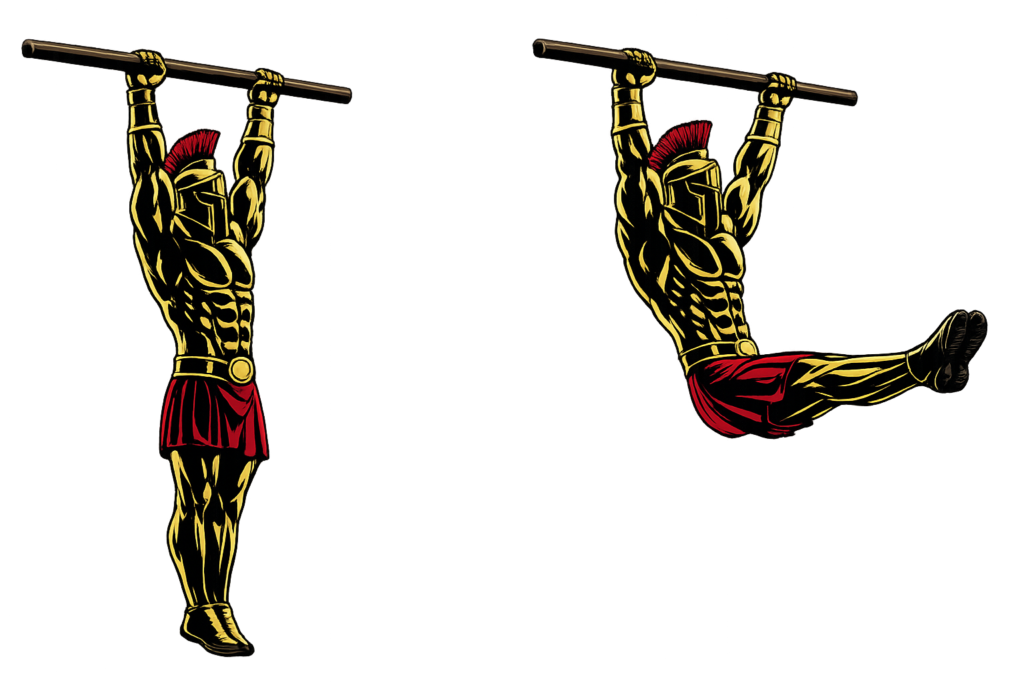
How to Do a Hanging Knee Raises Correctly: Step-by-Step Guide for Beginners

If you want powerful abs, a stronger grip, and serious core control, hanging knee raises should be in your routine. In this complete guide, you’ll learn how to do hanging knee raises properly, common mistakes to avoid, benefits, progressions, and training tips.


What Are Hanging Knee Raises?

Hanging knee raises are a core-focused bodyweight exercise performed while hanging from a pull-up bar. You lift your knees toward your chest using controlled abdominal contraction rather than momentum.

Unlike sit-ups or crunches, this movement challenges:

  • Core stability
  • Grip strength
  • Shoulder endurance
  • Hip flexor control

It’s a foundational exercise before progressing to hanging leg raises or toes-to-bar.

Benefits of Hanging Knee Raises

  • Improves Core strength and Abdominal definition
  • Builds strong hip flexorsfor better leg control
  • Enhances Grip strength and Forearm endurance
  • Improves Body control and stability
  • Supports better posture and spinal stability

Muscles Worked

Primary Muscles

  • Rectus Abdominis
  • Hip Flexors (Iliopsoas)

Secondary Muscles

  • Obliques (Internal & External)
  • Transverse Abdominis
  • Quadriceps
  • Forearms and Grip Muscles
  • Latissimus Dorsi
  • Shoulders (Anterior Deltoids)

This makes it an excellent full-core strength movement.


How to Do Hanging Knee Raises Properly (Step-by-Step)

1. Start Position

  • Grab a pull-up bar with an overhand grip.
  • Hands slightly wider than shoulder-width.
  • Fully extend your arms.
  • Let your body hang straight.
  • Engage your shoulders slightly (avoid hanging completely loose).

2. Set Your Core

  • Tighten your abs.
  • Slightly tuck your pelvis (posterior pelvic tilt).
  • Keep your legs together.
  • Avoid swinging before starting.

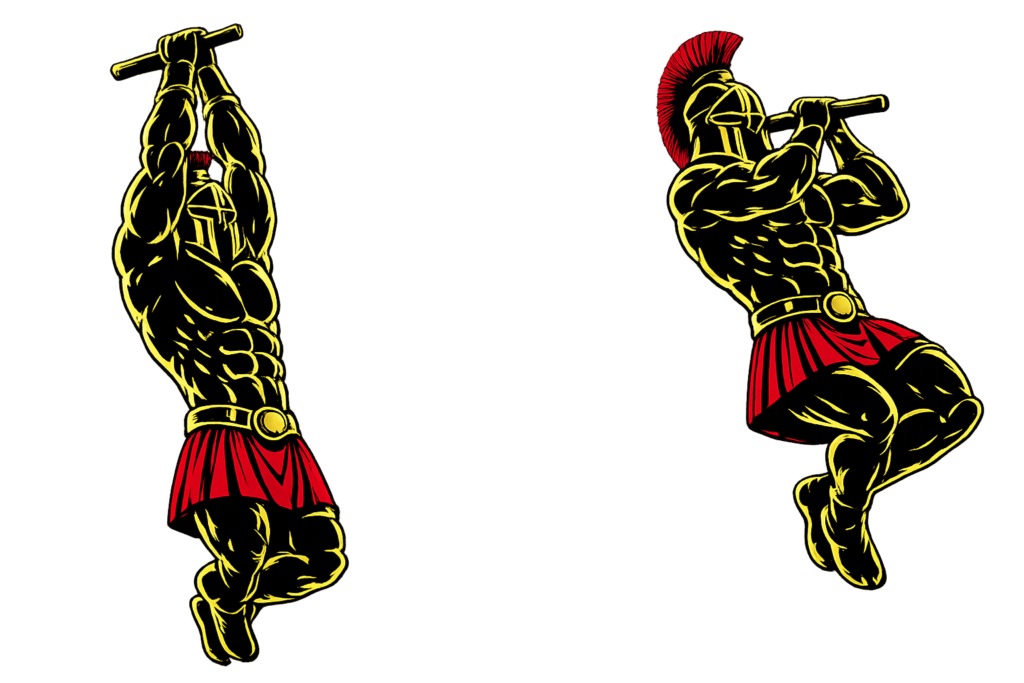
3. Lift Your Knees

  • Avoid using momentum.
  • Slowly raise your knees toward your chest.
  • Exhale as you lift.
  • Keep movement controlled.
Warrior doing hanging knee raises

4. Pause at the Top

  • Bring thighs at least parallel to the floor.
  • Hold for 1–2 seconds.
  • Squeeze your abs hard.

5. Lower With Control

  • Slowly lower your legs back down.
  • Do not drop them.
  • Maintain tension throughout.
  • Reset before the next rep.

Proper Form Checklist

  • Body stays controlled (no swinging)
  • Shoulders engaged, not shrugged
  • Core tight throughout
  • Knees lifted using abs, not momentum
  • Controlled lowering phase

Common Mistakes (And How to Fix Them)

Swinging the body
Fix: Pause between reps and control the descent.

Using momentum
Fix: Slow down the lift and focus on abdominal contraction.

Shrugging shoulders excessively
Fix: Keep shoulders packed and stable.

Only lifting knees halfway
Fix: Raise knees at least to hip level.

Dropping legs quickly
Fix: Lower slowly to maintain tension.


Progressions & Variations

  • Captain’s chair knee raises (easier)
  • Slow negative knee raises
  • Straight leg raises
  • Toes-to-bar
  • Weightedhanging knee raises

Final Thoughts

Hanging knee raises are one of the most effective bodyweight exercises for building real, functional core strength. Unlike floor-based ab movements, this exercise forces your abs to work while stabilizing your entire body, improving control, coordination, and grip strength at the same time. The key to getting results is control over momentum—raise your knees using your core, pause briefly at the top, and lower slowly to keep constant tension on the muscles.

If you’re a beginner, don’t worry about high reps. Focus first on eliminating swinging, maintaining a tight core, and building a strong grip. As your strength improves, you can increase reps, slow down the tempo, or progress to straight leg raises for a greater challenge. Learn more about Core Workouts here.


FAQ

1. Why do I swing during the exercise?
Swinging usually happens from lack of core tension or from lowering your legs too quickly.

2. Are hanging knee raises better than crunches?
They are more challenging and functional because they train the core under full-body tension.

3. What if my grip gives out first?
Work on grip strength and try shorter sets until your endurance improves.

How to Do a Glute Bridge Properly: Step-by-Step Guide for Beginners

The glute bridge is one of the best bodyweight exercises for building stronger hips, improving posture, and protecting your lower back. Whether you train at home or in the gym, this simple movement strengthens the posterior chain — a key area for athletic performance, injury prevention, and overall functional strength.


What Is a Glute Bridge?

A glute bridge is a lower-body exercise where you lie on your back and lift your hips off the ground by squeezing your glutes. The movement targets the muscles responsible for hip extension, helping improve strength, stability, and movement efficiency. It’s beginner-friendly, requires no equipment, and is widely used in strength training, rehabilitation, and military-style fitness programs.

Benefits of Glute Bridges

  • Builds strong, powerful glutes
  • Reduces the risk of lower back pain
  • Improves posture and pelvic alignment
  • Enhances squat, sprint, and jump performance
  • Activates the posterior chain for better athletic movement
  • Great for home workouts with no equipment

Muscles Worked

Primary Muscles

  • Gluteus maximus
  • Gluteus medius

Secondary Muscles

  • Hamstrings
  • Core (abs and lower back stabilizers)
  • Hip flexor stabilizers

How to Do a Glute Bridge: Step-by-Step

1. Start Position

  • Lie flat on your back on the floor or a mat
  • Bend your knees and place your feet flat, hip-width apart
  • Position your heels 8–12 inches away from your hips
  • Keep your arms by your sides with palms facing down
  • Keep your head and neck relaxed, eyes facing upward

2. Set Your Core

  • Tighten your abdominal muscles to stabilize your spine
  • Keep your lower back neutral (avoid arching)
  • Gently tuck your pelvis slightly to engage your glutes
  • Keep your ribs down and your body braced before lifting

3. Drive Through Your Heels

  • Raise your hips until your body forms a straight line from shoulders to knees
  • Press firmly through your heels, not your toes
  • Lift your hips off the ground in a smooth, controlled motion
  • Keep your knees aligned with your feet (don’t let them cave in or flare out)
Warrior doing glute bridge

4. Squeeze at the Top

  • Contract your glutes hard at the top position
  • Hold the squeeze for 1–2 seconds
  • Keep your core tight and avoid over-arching your lower back
  • Maintain even weight through both feet

5. Lower With Control

  • Slowly lower your hips back down to the floor
  • Keep your core engaged during the descent
  • Avoid dropping your hips quickly or relaxing completely
  • Lightly touch the ground, then begin the next rep

Proper Form Checklist

  • Feet flat and hip-width apart
  • Core braced, ribs down
  • Push through heels, not toes
  • Body straight from shoulders to knees at the top
  • Pause and squeeze glutes before lowering

Common Glute Bridge Mistakes (And How to Fix Them)

Arching the lower back
Fix: Lift using your glutes, not your spine — keep ribs down and core tight.

Pushing through toes
Fix: Drive through your heels to properly activate the glutes.

Not lifting hips high enough
Fix: Raise hips until shoulders–hips–knees form a straight line.

Knees falling inward or outward
Fix: Keep knees aligned with your feet throughout the movement.

Rushing the reps
Fix: Lift slowly and hold the top position for a strong glute squeeze.


Beginner Progressions

Once basic glute bridges feel easy, progress to:

  • Single-leg glute bridge
  • Elevated feet glute bridge
  • Weighted glute bridge (backpack or plate)
  • Hip thrust (advanced version)

Final Thoughts

The glute bridge may look simple, but when performed correctly, it delivers powerful results. Strong glutes improve posture, protect your lower back, and enhance performance in nearly every lower-body movement. Focus on control, proper alignment, and a strong squeeze at the top. Master this basic movement, and you’ll build a solid foundation for more advanced strength training — at home, in the gym, or on your path to warrior-level fitness. Learn more about Leg Workoutshere.


FAQ

1. How far should my feet be from my hips?
Position your feet so your knees are over your ankles at the top.

2. Where should I feel the exercise?
Mainly in your glutes. If you feel it mostly in your lower back or hamstrings, adjust your foot position and focus on squeezing your glutes.

3. Should I pause at the top?
Yes, hold for 1–2 seconds and squeeze your glutes hard.

How to Do a Plank Correctly: Step-by-Step Guide for Beginners

The plank is one of the most effective bodyweight exercises for building core strength, stability, and endurance. It looks simple, but when done correctly, the plank challenges your entire body and builds the foundation needed for advanced strength and military-style training.

If you want a stronger core, better posture, and improved overall fitness, this beginner-friendly guide will show you exactly how to do a plank the right way.


What is a Plank?

A plank is an isometric core exercise where you hold your body in a straight line while supporting yourself on your forearms and toes. Unlike crunches or sit-ups, the plank trains your core to stabilize your spine, which is essential for strength, balance, and injury prevention.

The plank doesn’t just work your abs — it activates your shoulders, back, glutes, and legs, making it a true full-body exercise.

Benefits of Planks

  • Builds strong, stable core muscles
  • Improves posture and spinal support
  • Enhances balance and endurance
  • Reduces the risk of lower back injuries
  • Supports better performance in push-ups, pull-ups, running, and military training

For warrior-style fitness or SSG-level preparation, a strong plank is essential — it builds the core strength needed for heavy physical tasks.

Muscles Worked

Primary Muscles

  • Rectus abdominis (front abs)
  • Transverse abdominis (deep core)
  • Obliques

Secondary Muscles

  • Shoulders (deltoids)
  • Lower back (erector spinae)
  • Glutes
  • Quadriceps
  • Upper back

How to Do a Plank: Step-by-Step

Step 1: Get into Position

  • Lie face down on the floor.
  • Place your forearms on the ground with elbows directly under your shoulders.
  • Keep your forearms parallel and palms flat or hands clasped.

Step 2: Lift Your Body

  • Tuck your toes under and lift your body off the ground.
  • Your weight should be supported by your forearms and toes.

Step 3: Align Your Body

  • Avoid arching or rounding your back.
  • Keep your body in a straight line from head to heels.
Warrior doing a Plank

Step 4: Engage Your Core

  • Tighten your abs and glutes.
  • Pull your belly button slightly toward your spine.

Step 5: Hold and Breathe

  • Keep your neck neutral and look slightly forward or down.
  • Breathe steadily.
  • Hold for 20–30 seconds (beginners), then gradually increase.

Common Plank Mistakes (And How to Fix Them)

Sagging hips
Fix: Squeeze your glutes and tighten your core to keep your body straight.

Hips too high
Fix: Lower your hips until your body forms a straight line.

Holding your breath
Fix: Take slow, controlled breaths throughout the hold.

Elbows too far forward
Fix: Keep elbows directly under your shoulders.

Looking up or straining the neck
Fix: Keep your neck neutral and gaze slightly down.


Top 5 Plank Form Checklist

  1. Elbows directly under shoulders
  2. Body in a straight line from head to heels
  3. Core and glutes tight
  4. Neutral neck and steady breathing
  5. Controlled hold (no shaking or collapsing)

Plank Progressions for Beginners

Start with:

  • Knee plank – Hold position with knees on the ground
  • Standard plank – 20–30 seconds
  • Longer holds – Work up to 60+ seconds
  • Advanced options – Side planks, weighted planks, or shoulder taps

Progress slowly and focus on perfect form before increasing time.


Final Thoughts

The plank may look simple, but when performed correctly, it builds the core strength and stability that every strong body needs. Focus on maintaining a straight line, engaging your core, and breathing steadily. Don’t rush to hold longer times — quality and control matter more than duration. Master the basics, stay consistent, and over time, your core will become stronger, more stable, and ready for the demands of advanced training — just like a true warrior. Learn more about Core Workouts here.


FAQ

1. How long should a beginner hold a plank?
Start with 20–30 seconds and gradually increase to 60 seconds or more.

2. Is it better to plank longer or do multiple sets?
Multiple quality sets (e.g., 3 × 30 seconds) are better than one long hold with poor form.

3. Can planks help reduce belly fat?
Planks strengthen your core, but fat loss comes from overall training, nutrition, and consistency.

How to Do a Lunge Correctly: Step-by-Step Guide for Beginners

Learn how to do a lunge correctly with this beginner-friendly step-by-step guide. Improve leg strength, balance, and form while avoiding common mistakes.


What is a Lunge?

A lunge is a lower-body exercise that strengthens the quadriceps, glutes, hamstrings, and calves while also improving balance and stability. It involves stepping one leg forward (or backward) and lowering your body until both knees are bent at about 90 degrees. Lunges are highly effective for building functional leg strength, correcting muscle imbalances, and enhancing overall athletic performance, making them a key movement for any training program.

Lunges are one of the best lower-body exercises for building strength, balance, and mobility. They target the quadriceps, glutes, hamstrings, and calves while also engaging your core for stability. Whether you train at home or prepare for athletic or military fitness, mastering the lunge is essential for strong, functional legs.

Benefits of Lunges

  • Builds leg strength and muscle endurance
  • Improves balance and coordination
  • Strengthens glutes and hips
  • Enhances athletic performance and running ability
  • Helps correct muscle imbalances between legs
  • Requires no equipment — perfect for home workouts

Muscles Worked

Primary Muscles

  • Quadriceps
  • Glutes

Secondary Muscles

  • Hamstrings
  • Calves
  • Hip adductors (inner thighs)
  • Core (abs and lower back)
  • Hip stabilizers

Step-by-Step: How to Do a Lunge Properly

Step 1: Starting Position

  • Stand tall with your feet hip-width apart
  • Keep your chest up and core engaged
  • Place your hands on your hips or at your sides

Step 2: Step Forward

  • Take a controlled step forward with one leg
  • Keep your torso upright (do not lean forward)

Step 3: Lower Your Body

Your front knee should stay above your ankle, not past your toes

  • Bend both knees and lower until:
  • Front thigh is parallel to the ground
  • Back knee moves toward the floor
Warrior doing Lunge

Step 4: Push Back Up

  • Drive through your front heel
  • Return to the starting position
  • Repeat on the other leg

Proper Form Checklist

  • Move slowly and with control
  • Keep your upper body straight
  • Core tight throughout the movement
  • Front knee aligned with toes
  • The back knee moves straight down
Warrior doing progressive lunge

Common Lunge Mistakes (And How to Fix Them)

❌ Front Knee Going Too Far Forward
Fix: Take a slightly longer step so your knee stays over your ankle.

❌ Leaning Forward
Fix: Keep your chest up and shoulders back.

❌ Taking Steps That Are Too Short
Fix: Step far enough so both knees form roughly 90-degree angles.

Pushing Off the Toes Instead of the Heel
Fix: Drive through the front heel to activate the glutes.

Losing Balance
Fix: Slow down and tighten your core.


Beginner Lunge Progressions

Once basic lunges feel easy, try:

  • Walking lunges
  • Reverse lunges (easier on the knees)
  • Paused lunges (hold the bottom position for 2–3 seconds)
  • Add a backpack for resistance (home-friendly)

Final Thoughts

Lunges are a simple but powerful exercise that builds strength, stability, and endurance. Focus on control, balance, and proper form rather than speed. Start with bodyweight, stay consistent, and progress gradually. Strong legs are built one controlled rep at a time — train like a warrior, and the results will follow. Learn more about Leg Workouts here.


FAQ

Q1: Are lunges better than squats?
Both are effective. Squats build overall leg strength, while lunges improve balance and single-leg strength.

Q2: Why do my knees hurt during lunges?
This usually happens due to poor form or stepping too short. Try reverse lunges and focus on knee alignment.

Q3: Do lunges help build bigger glutes?
Yes. Focus on pushing through your heel and using a longer step to increase glute activation.