
Learn how to do a side plank with perfect form, avoid common mistakes, and discover the best variations to build a strong, stable core.
The side plank is one of the most effective bodyweight exercises for developing core stability, strengthening the obliques, and improving overall balance. Whether you are training for military fitness tests, calisthenics, or athletic performance, mastering the side plank is essential.
What Is a Side Plank?
A side plank is a bodyweight exercise where you support your body on one forearm (or hand) while keeping your body in a straight line from head to feet.
Unlike traditional planks, the side plank specifically targets the obliques and lateral core muscles.
Side planks are commonly used in:
- Core strengthening workouts
- Rehabilitation and injury prevention programs
- Athletic performance training
- Military fitness routines
This exercise builds real core stability that translates directly into strength and balance.
Benefits of Side Planks
• Strengthens obliques and lateral core
• Improves balance and stability
• Enhances posture and spinal support
• Reduces risk of lower back injuries
• Builds core endurance
• Essential for military and tactical fitness
Few exercises target the side core as effectively as the side plank.
Muscles Worked in Side Planks
Side planks activate multiple core and stabilizing muscles.
Primary Muscles
• Obliques (Internal and External)
• Transverse Abdominis
Secondary Muscles
• Rectus Abdominis
• Glutes
• Shoulders (Deltoids)
• Lower Back Stabilizers
This makes the side plank highly effective for building a strong, balanced core.
How to Do a Side Plank (Step-by-Step)
Step 1: Position Your Body
Lie on your side with your legs extended and stacked on top of each other.
Place your forearm directly under your shoulder.
Tip: Keep your elbow aligned with your shoulder to avoid strain.
Step 2: Lift Your Hips
Push through your forearm and lift your hips off the ground.
• Body forms a straight line
• Core is engaged
• Neck stays neutral
Step 3: Hold the Position
Maintain the side plank position while keeping:
• Hips elevated
• Core tight
• Body aligned
Avoid letting your hips drop.
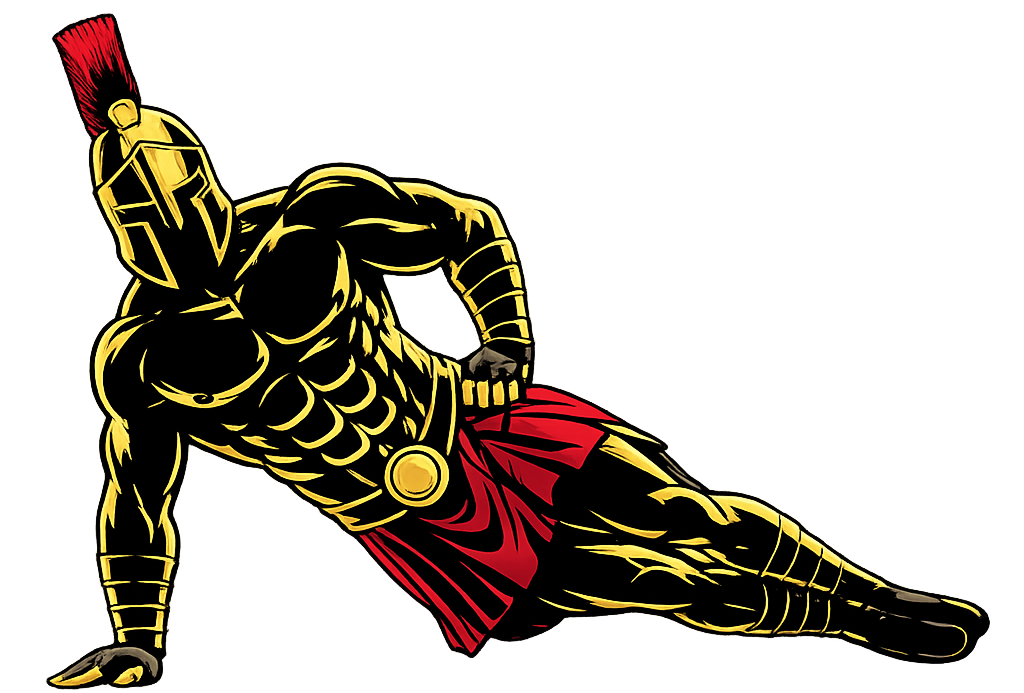
Step 4: Breathe and Stay Controlled
Breathe steadily while holding the position.
Do not hold your breath — controlled breathing improves endurance.
Step 5: Lower With Control
Slowly lower your hips back to the ground.
Switch sides and repeat.
Side Plank Form Checklist
Use this checklist to ensure perfect form:
Keep your body in a straight line
Engage your core and glutes
Keep your elbow under your shoulder
Avoid dropping your hips
Maintain steady breathing
Perfect form builds stability and prevents injury.
Common Side Plank Mistakes
Dropping the Hips
Problem: Reduces core activation.
Fix: Keep hips lifted and body aligned.
Shoulder Misalignment
Problem: Causes shoulder strain.
Fix: Keep your elbow directly under your shoulder.
Twisting the Body
Problem: Reduces effectiveness.
Fix: Keep your chest facing forward and body stacked.
Holding Breat
Problem: Reduces endurance.
Fix: Breathe steadily throughout the hold.
Short Hold Times
Problem: Limits progress.
Fix: Gradually increase hold duration.
Side Plank Variations
Once you master the basic side plank, these variations can increase difficulty and effectiveness.
Bent-Knee Side Plank (Beginner Variation)
An easier version for beginners.
How to Do Bent-Knee Side Plank
• Bend your knees at 90 degrees
• Lift hips while keeping knees on the ground
• Maintain a straight line from head to knees
Side Plank with Leg Raise
Adds intensity and balance challenge.
How to Do Side Plank with Leg Raise
• Perform a standard side plank
• Raise your top leg upward
• Keep movement controlled
High Side Plank (Straight Arm)
Increases shoulder engagement.
How to Do High Side, Plank
• Support your body on your hand instead of your forearm
• Keep arm fully extended
• Maintain full-body alignment
Weighted Side Plank
Adds resistance for advanced strength.
How to Do Weighted Side Plank
• Place a lightweight on your hip
• Hold the side plank position
• Maintain strict form
Final Thoughts
The side plank is one of the most effective core stability exercises you can master.
It builds:
• Oblique strength
• Core stability
• Balance and coordination
• Shoulder stability
• Functional athletic strength
Progress may feel difficult at first, especially when holding the position for longer durations. However, with consistent training and proper form, your endurance and stability will steadily improve.
Focus on control and alignment.
A warrior builds strength from the core — solid and unbreakable.
Side Plank FAQ
Q1: How long should beginners hold a side plank?
Beginners can start with 15–30 seconds per side. Gradually increase to 45–60 seconds as strength improves.
Q2: Are side planks better than regular planks?
Both are effective. Side planks target the obliques more, while regular planks focus on the entire core.
Q3: How often should I do side planks?
You can train side planks 3–5 times per week as part of your core routine, depending on recovery.