The plank is one of the most effective bodyweight exercises for building core strength, stability, and endurance. It looks simple, but when done correctly, the plank challenges your entire body and builds the foundation needed for advanced strength and military-style training.
If you want a stronger core, better posture, and improved overall fitness, this beginner-friendly guide will show you exactly how to do a plank the right way.
What is a Plank?
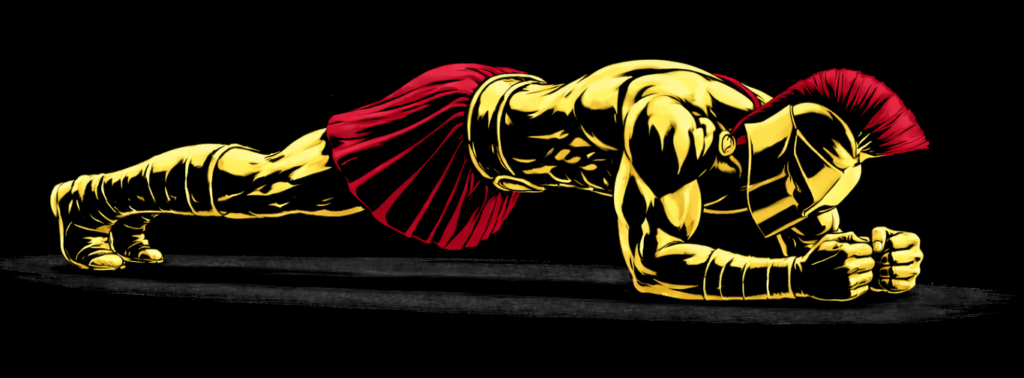
A plank is an isometric core exercise where you hold your body in a straight line while supporting yourself on your forearms and toes. Unlike crunches or sit-ups, the plank trains your core to stabilize your spine, which is essential for strength, balance, and injury prevention.
The plank doesn’t just work your abs — it activates your shoulders, back, glutes, and legs, making it a true full-body exercise.
Benefits of Planks
- Builds strong, stable core muscles
- Improves posture and spinal support
- Enhances balance and endurance
- Reduces the risk of lower back injuries
- Supports better performance in push-ups, pull-ups, running, and military training
For warrior-style fitness or SSG-level preparation, a strong plank is essential — it builds the core strength needed for heavy physical tasks.
Muscles Worked
Primary Muscles
- Rectus abdominis (front abs)
- Transverse abdominis (deep core)
- Obliques
Secondary Muscles
- Shoulders (deltoids)
- Lower back (erector spinae)
- Glutes
- Quadriceps
- Upper back
How to Do a Plank: Step-by-Step
Step 1: Get into Position
- Lie face down on the floor.
- Place your forearms on the ground with elbows directly under your shoulders.
- Keep your forearms parallel and palms flat or hands clasped.
Step 2: Lift Your Body
- Tuck your toes under and lift your body off the ground.
- Your weight should be supported by your forearms and toes.
Step 3: Align Your Body
- Avoid arching or rounding your back.
- Keep your body in a straight line from head to heels.
Step 4: Engage Your Core
- Tighten your abs and glutes.
- Pull your belly button slightly toward your spine.
Step 5: Hold and Breathe
- Keep your neck neutral and look slightly forward or down.
- Breathe steadily.
- Hold for 20–30 seconds (beginners), then gradually increase.
Common Plank Mistakes (And How to Fix Them)
❌ Sagging hips
Fix: Squeeze your glutes and tighten your core to keep your body straight.
❌ Hips too high
Fix: Lower your hips until your body forms a straight line.
❌ Holding your breath
Fix: Take slow, controlled breaths throughout the hold.
❌ Elbows too far forward
Fix: Keep elbows directly under your shoulders.
❌ Looking up or straining the neck
Fix: Keep your neck neutral and gaze slightly down.
Top 5 Plank Form Checklist
- Elbows directly under shoulders
- Body in a straight line from head to heels
- Core and glutes tight
- Neutral neck and steady breathing
- Controlled hold (no shaking or collapsing)
Plank Progressions for Beginners
Start with:
- Knee plank – Hold position with knees on the ground
- Standard plank – 20–30 seconds
- Longer holds – Work up to 60+ seconds
- Advanced options – Side planks, weighted planks, or shoulder taps
Progress slowly and focus on perfect form before increasing time.
Final Thoughts
The plank may look simple, but when performed correctly, it builds the core strength and stability that every strong body needs. Focus on maintaining a straight line, engaging your core, and breathing steadily. Don’t rush to hold longer times — quality and control matter more than duration. Master the basics, stay consistent, and over time, your core will become stronger, more stable, and ready for the demands of advanced training — just like a true warrior. Learn more about Core Workouts here.
FAQ
1. How long should a beginner hold a plank?
Start with 20–30 seconds and gradually increase to 60 seconds or more.
2. Is it better to plank longer or do multiple sets?
Multiple quality sets (e.g., 3 × 30 seconds) are better than one long hold with poor form.
3. Can planks help reduce belly fat?
Planks strengthen your core, but fat loss comes from overall training, nutrition, and consistency.