
Learn how to do a lunge correctly with this beginner-friendly step-by-step guide. Improve leg strength, balance, and form while avoiding common mistakes.
What is a Lunge?
A lunge is a lower-body exercise that strengthens the quadriceps, glutes, hamstrings, and calves while also improving balance and stability. It involves stepping one leg forward (or backward) and lowering your body until both knees are bent at about 90 degrees. Lunges are highly effective for building functional leg strength, correcting muscle imbalances, and enhancing overall athletic performance, making them a key movement for any training program.
Lunges are one of the best lower-body exercises for building strength, balance, and mobility. They target the quadriceps, glutes, hamstrings, and calves while also engaging your core for stability. Whether you train at home or prepare for athletic or military fitness, mastering the lunge is essential for strong, functional legs.
Benefits of Lunges
- Builds leg strength and muscle endurance
- Improves balance and coordination
- Strengthens glutes and hips
- Enhances athletic performance and running ability
- Helps correct muscle imbalances between legs
- Requires no equipment — perfect for home workouts
Muscles Worked
Primary Muscles
- Quadriceps
- Glutes
Secondary Muscles
- Hamstrings
- Calves
- Hip adductors (inner thighs)
- Core (abs and lower back)
- Hip stabilizers
Step-by-Step: How to Do a Lunge Properly
Step 1: Starting Position
- Stand tall with your feet hip-width apart
- Keep your chest up and core engaged
- Place your hands on your hips or at your sides
Step 2: Step Forward
- Take a controlled step forward with one leg
- Keep your torso upright (do not lean forward)
Step 3: Lower Your Body
Your front knee should stay above your ankle, not past your toes
- Bend both knees and lower until:
- Front thigh is parallel to the ground
- Back knee moves toward the floor
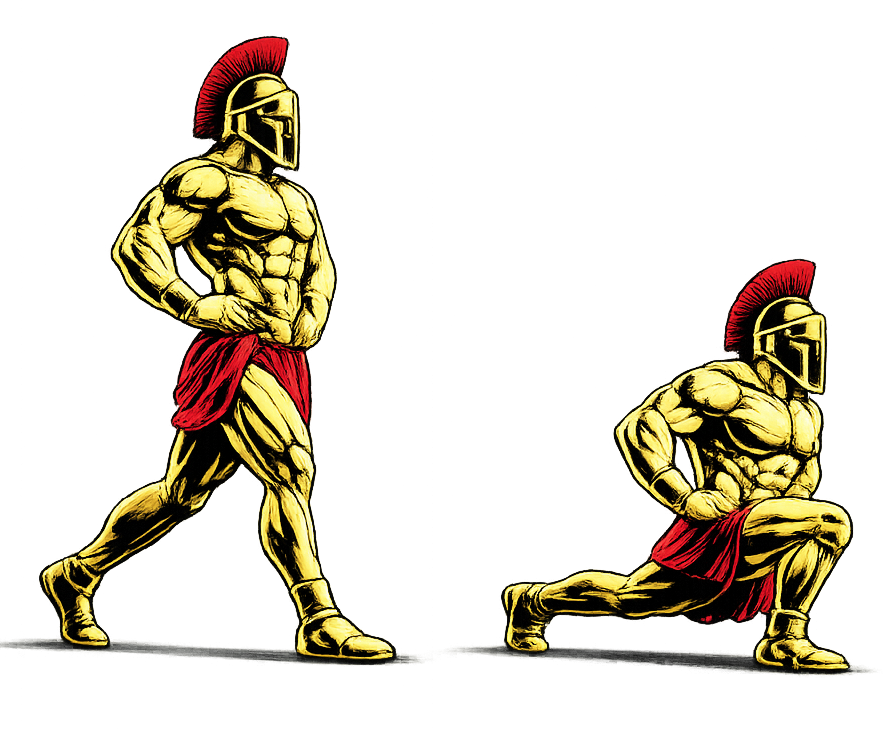
Step 4: Push Back Up
- Drive through your front heel
- Return to the starting position
- Repeat on the other leg
Proper Form Checklist
- Move slowly and with control
- Keep your upper body straight
- Core tight throughout the movement
- Front knee aligned with toes
- The back knee moves straight down

Common Lunge Mistakes (And How to Fix Them)
❌ Front Knee Going Too Far Forward
Fix: Take a slightly longer step so your knee stays over your ankle.
❌ Leaning Forward
Fix: Keep your chest up and shoulders back.
❌ Taking Steps That Are Too Short
Fix: Step far enough so both knees form roughly 90-degree angles.
❌Pushing Off the Toes Instead of the Heel
Fix: Drive through the front heel to activate the glutes.
❌Losing Balance
Fix: Slow down and tighten your core.
Beginner Lunge Progressions
Once basic lunges feel easy, try:
- Walking lunges
- Reverse lunges (easier on the knees)
- Paused lunges (hold the bottom position for 2–3 seconds)
- Add a backpack for resistance (home-friendly)
Final Thoughts
Lunges are a simple but powerful exercise that builds strength, stability, and endurance. Focus on control, balance, and proper form rather than speed. Start with bodyweight, stay consistent, and progress gradually. Strong legs are built one controlled rep at a time — train like a warrior, and the results will follow. Learn more about Leg Workouts here.
FAQ
Q1: Are lunges better than squats?
Both are effective. Squats build overall leg strength, while lunges improve balance and single-leg strength.
Q2: Why do my knees hurt during lunges?
This usually happens due to poor form or stepping too short. Try reverse lunges and focus on knee alignment.
Q3: Do lunges help build bigger glutes?
Yes. Focus on pushing through your heel and using a longer step to increase glute activation.